Project Search
No Results Found
Search Results - Blog
Search Results - FAQs
No Results Found
No Result Found
The Journal - 22nd May 2026
How Retail, Hospitality, and Residential Integration Creates Self-Reinforcing Demand
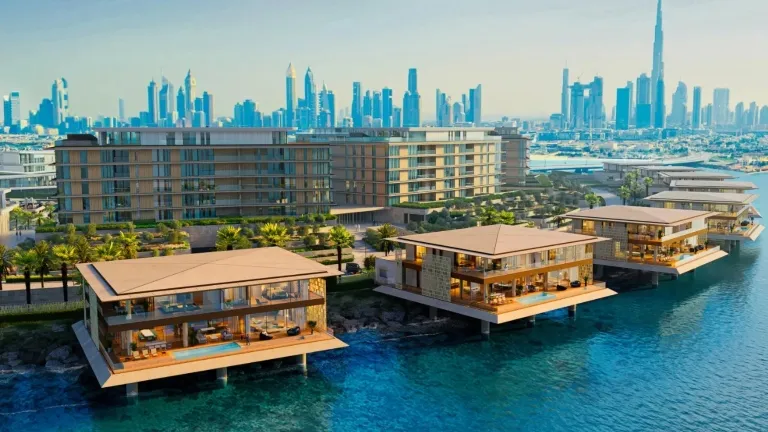
<img loading="lazy" src="/sites/default/files/2026-08/how%20retail%20768x432.jpg" width="768" height="432" alt="How Retail, Hospitality, and Residential Integration Creates Self-Reinforcing Demand" />
<p>Homes gain greater relevance when they are situated within a broader ecosystem of dining, retail, hospitality, wellness, public spaces, and social experiences. This is where mixed-use real estate becomes more than a planning model; it becomes a sustained demand generator.</p>
<p>When residential, retail, and hospitality elements are designed to work in harmony, each one complements the other. Residents bring everyday continuity, visitors add movement and visibility, while hospitality and curated retail create compelling reasons to return. The result is a community that feels active, useful, and emotionally connected to daily routines, supporting enduring desirability and asset relevance beyond the home itself.</p>
<h2>Why Mixed-Use Demand Becomes Self-Reinforcing</h2>
<p>A well-planned mixed residential and commercial property model creates demand loops. Residents support cafés, restaurants, wellness spaces, and essential services. Strong retail and hospitality offerings attract visitors. Visitor activity improves tenant visibility, leasing resilience, and brand positioning within the community. Over time, this can strengthen buyer confidence because the community feels active, useful, and socially relevant throughout the day and into the evening economy.</p>
<p>For investors, this matters because demand is not dependent on a single end-user profile. A purely residential district often depends on a narrower ownership, leasing and resale cycle. By contrast, an integrated destination can <a href="https://meraas.com/en/latest-post/journal/understanding-demand-cycles-dubais-lifestyle-communities">generate demand</a> from multiple sources at once: end-users seeking convenience, short-stay guests drawn to hospitality, visitors supporting retail, operators looking for high-footfall locations, and long-term investors prioritising liquidity, income stability, and long-term capital preservation.</p>
<h3>How Broader Demand Strengthens Community Resilience</h3>
<p>This broader demand base can strengthen absorption because the community is not reliant on one use case or one market segment. Retail and hospitality bring recurring movement into the neighbourhood, while residential density creates daily consistency. Together, they help maintain visibility, support tenant trade performance, and reinforce the perception of the area as a complete lifestyle destination rather than a standalone housing address.</p>
<h2>Retail as a Liveability and Liquidity Driver</h2>
<p>Retail has moved beyond functional convenience. In <a href="https://meraas.com/en/project-listing">premium communities</a>, curated retail directly influences how often residents engage with their neighbourhood and how strongly they identify with it. Walkable dining, wellness, boutique services, and everyday essentials reduce friction in daily life, which can increase end-user retention and rental absorption.</p>
<p>Dubai’s retail real estate market reflected this momentum in 2025, with <a href="https://cavendishmaxwell.com/insights/market-reports/retail-and-warehouse/dubai-retail-and-warehouse-market-performance-2025">retail sales transaction values rising 48.4% year on year</a> to AED 4.6 billion, while retail rental rates increased 7.1% amid limited availability in prime locations. This suggests that high-quality retail space is not merely an amenity; it is a performance-driven asset class that can reinforce the value of surrounding residential property.</p>
<h2>Hospitality Adds a Second Layer of Demand</h2>
<p>Hospitality brings a different rhythm to a community. Hotels, serviced experiences, restaurants, and leisure-led environments introduce a consistent flow of high-intent visitors who support retail performance and keep destinations commercially activebeyond the resident base. This is particularly relevant in Dubai, where tourism continues to reinforce the city’s global positioning.</p>
<p>When hospitality is integrated with residential planning, it can improve place recognition and support stronger investor sentiment and market perception. Residents benefit from a more serviced environment, while investors gain exposure to locations with stronger destination value and recurring visitor-driven demand.</p>
<h2>The Role of a Master Developer in Dubai</h2>
<p>The strength of integration depends on master planning discipline and execution. A master developer in Dubai must balance residential privacy with activated public realms, ensuring that retail, hospitality, and homes complement rather than compete with one another. The most effective communities manage access, circulation, landscaping, parking, shade, arrival experience, and tenant mix with operational precision.</p>
<p>This is where master planning affects long-term value. Poorly integrated mixed-use districts can feel congested or fragmented. Well-planned communities create clear spatial hierarchy: private residential zones, active public edges, meaningful walkability, and amenities that serve both residents and visitors without compromising residential liveability. </p>
<h2>What this Means for Long-Term Property Value</h2>
<p>Integrated communities tend to perform well when they combine scarcity, usability, and emotional and experiential relevance. Retail creates daily convenience. Hospitality creates destination energy. Residential depth creates stability. Together, they support demand from multiple sources, which may help protect liquidity and value resilience across market cycles.</p>
<p>For buyers, the investment strategy should focus on the broader ecosystem of the community that can attract people to visit, live, lease, return, and invest. In Dubai’s next phase of growth, that ability to generate repeat demand may become a defining indicator of sustained asset performance. . Discover the <a href="https://meraas.com/en/contact-us">investment opportunities with Meraas</a> in master communities that have it all.</p>
<h2>FAQs</h2>
<h3>What is Mixed Use Real Estate?</h3>
<p><a href="https://meraas.com/en/latest-post/journal/how-mixed-use-destinations-influence-footfall-and-property-demand-dubai">Mixed-use real estate</a> combines different functions, such as residential, retail, hospitality, leisure, or commercial space, within one planned environment. Its value lies in creating daily convenience, stronger footfall, and broader demand drivers.</p>
<h3>Why Does Retail Improve Residential Demand?</h3>
<p>Retail improves residential demand by making a community more practical and engaging. When residents have access to dining, wellness, services, and everyday essentials nearby, the area becomes easier to live in and more attractive to tenants and buyers.</p>
<h3>How Does Hospitality Support Property Value?</h3>
<p>Hospitality supports property value by increasing destination visibility and visitor activity. This can strengthen retail performance, improve the perception of the neighbourhood, and create a more active urban environment.</p>
Back to MediaOther Media
Explore more articles from Meraas
Buying Off-Plan Property in Dubai: How Luxury Buyers Should Assess Build Specifications