Project Search
No Results Found
Search Results - Blog
Search Results - FAQs
No Results Found
No Result Found
The Journal - 29th May 2026
Inside The Edit at d3: What Makes it Different from Other Dubai Apartments in Terms of Investment Value?
<img loading="lazy" src="/sites/default/files/2026-08/768x432_6.jpg" width="768" height="432" alt="Inside The Edit at d3: What Makes it Different from Other Dubai Apartments in Terms of Investment Value?" />
<p>In a maturing property cycle, the strongest residential assets are those that combine location scarcity, design credibility, rental relevance, and long-term end-user appeal. This is where <a href="https://meraas.com/en/the-edit-at-d3">The Edit at d3</a> stands apart for buyers comparing luxury apartments in Dubai and investors assessing where demand is likely to demonstrate resilience beyond short-term market momentum.</p>
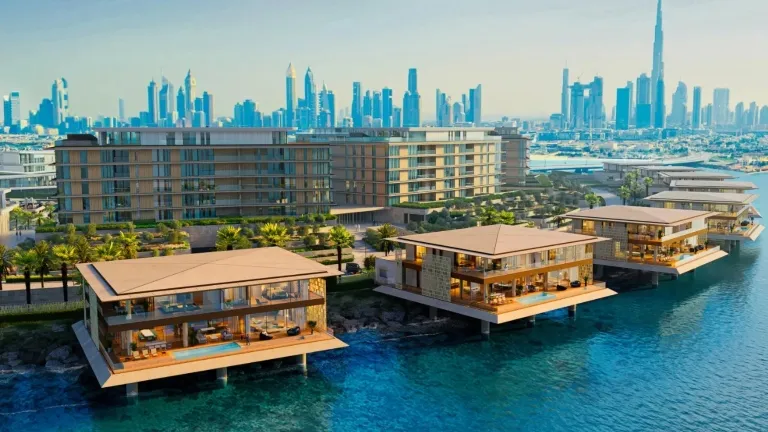
<p>Set within Dubai Design District, The Edit at d3 is positioned in one of the city’s most distinctive creative districts rather than a conventional residential micro-market cluster. Meraas describes the development as a collection of 1 to 4-bedroom waterfront residences and exclusive penthouses, with prices starting from AED 2 million and architecture shaped by soft edges, continuous balcony lines, and integrated sky gardens that reinforce architectural continuity.</p>
<h2>The Edit at d3 Location</h2>
<p>For investors, location quality is about distance from landmarks and whether an address has a clear identity, a limited supply story, and a structurally embedded demand base. Dubai Design District is the region’s first and largest design district, home to global, regional, and local brands across art, fashion, and design.</p>
<p>This matters because Dubai Design District<strong> </strong>apartments appeal to a more defined and intent-driven buyer and tenant profile as follows: </p>
<ul type="disc">
<li>Creative professionals</li>
<li>Entrepreneurs</li>
<li>Executives</li>
<li>Design-conscious residents</li>
<li>International buyers seeking an urban address with cultural depth</li>
</ul>
<p>Compared with generic apartment supply, this type of positioning can support stronger emotional attachment, better lifestyle differentiation, and potentially more durable resale interest.</p>
<h2>Why Market Selectivity Strengthens The Edit at d3’s Positioning</h2>
<p>Dubai’s residential market remains active, but more selective. <a href="https://propertymonitor.com/insights/monthly-market-report/monthly-market-report-december-2025">Property Monitor</a> recorded 215,458 sales transactions across 2025, an 18.9% year-on-year increase, with residential assets accounting for 93.9% of activity. Apartment transactions rose 21.7%, showing that the apartment segment remains highly liquid when product positioning, pricing discipline, and location fundamentals align.</p>
<p>However, broad growth does not mean every apartment performs equally. Fitch commentary reported by <a href="https://www.reuters.com/world/middle-east/dubai-real-estate-prices-likely-face-double-digit-fall-after-years-boom-fitch-2025-05-29">Reuters</a> warned that rising supply could pressure Dubai prices through late 2025 and 2026, while noting that prime locations and project delays could soften some of that pressure. This makes asset-level selection materially more important. </p>
<p>Investors looking to buy apartments in Dubai are likely to prioritise projects with defensible location logic, clear design value, and a resident base that extends beyond speculative demand, which is where The Edit at d3 strengthens its positioning.</p>
<h2>Design as an Investment Signal</h2>
<p>The Edit at d3 is not positioned as a standard tower release. Its investment value is closely tied to design as a form of defensible asset differentiation. The official project narrative highlights sculptural towers, sky gardens, wellness spaces, and waterfront living, while <a href="https://editatd3.meraas.com/">Meraas’ launch announcement</a> notes amenities including resort-style pools, co-working and creative studios, family and kids’ zones, a health club, gaming lounges, and a private cinema.</p>
<p>For premium buyers, these details matter because design-led residences can influence both liveability and long-term asset desirability. A well-composed apartment is easier to rent, easier to resell, and more likely to appeal to residents who are buying into a lifestyle, not only a floor plan but a holistic residential environment.</p>
<h2>Rental Relevance and Long-Term Demand</h2>
<p>Dubai apartments continue to offer relatively stronger income-generating potential than larger low-density homes. <a href="https://cavendishmaxwell.com/insights/market-reports/residential/dubai-residential-market-performance-fy-2025">Cavendish Maxwell</a> reported that gross rental yields in Dubai stood at 7.0% for apartments in 2025, compared with 4.8% for villas and townhouses.</p>
<p>The Edit at d3 benefits from this apartment-led yield context while adding a more targeted and differentiated location proposition. Its proximity to creative workplaces, galleries, cafés, waterfront promenades, and cultural programming gives it a broader rental narrative than a purely residential building, anchored in mixed-use activation and experiential value. For tenants, the value lies in daily convenience and identity. For investors, that can translate into stronger occupancy appeal, particularly among design-conscious, urban-oriented residents who want urban energy without sacrificing privacy, wellness, or design quality.</p>
<h2>How The Edit at d3’s Entry Point Supports Long-Term Value</h2>
<p>The Edit at d3 starts from AED 2 million for 1-bedroom residences, according to Meraas’ official page. Its <a href="https://meraas.com/sites/default/files/2025-11/The%20Edit%20at%20d3%20PaymentPlan.pdf">payment plan</a> also indicates estimated construction completion in June 2030, with a 20% booking payment and 25% due at handover. This structure is relevant for investors because phased payments can support more strategic capital allocation during the construction period.</p>
<p>The longer horizon also places emphasis on fundamentals: whether the district will continue to mature, whether residential supply remains differentiated, and whether buyer demand for design-led, mixed-use urban environments strengthens over time.</p>
<h2>What Makes The Edit At d3 Different?</h2>
<p>The key distinction is that The Edit at d3 combines three investment drivers in one address: </p>
<ol>
<li>Limited creative-district supply with inherent scarcity </li>
<li>Design-led waterfront architecture with strong visual identity</li>
<li>Access to an active mixed-use environment supporting sustained resident demand</li>
</ol>
<h2>A Design-Led Address with Investment Discipline</h2>
<p>The Edit at d3 reflects a shift in Dubai property investment, as buyers are looking at scarcity, district identity, design integrity, rental depth, and long-term relevance.</p>
<p>For those evaluating <a href="https://meraas.com/en/master-development/d3">Dubai Design District apartments</a>, The Edit at d3 offers a more institutional-grade investment proposition within one of Dubai’s most recognisable creative destinations. Its value lies in the balance between lifestyle and asset discipline: an address shaped for residents but structured for investors who understand the importance of differentiation and downside resiience across market cycles.</p>
<h2>FAQs</h2>
<h3>Is The Edit at d3 a Good Investment for Long-Term Buyers?</h3>
<p>The Edit at d3 may suit long-term buyers seeking a design-led apartment in a distinctive mixed-use district. Its investment case is supported by location scarcity, waterfront positioning, Dubai Design District’s creative ecosystem, and Dubai’s continued apartment liquidity.</p>
<h3>What Types of Homes are Available at The Edit at d3?</h3>
<p>Meraas lists 1 to 4-bedroom residences and exclusive penthouses at The Edit at d3, with prices starting from AED 2 million. The development includes waterfront residences designed around sky gardens, balcony lines, and contemporary urban living.</p>
<h3>Why are Dubai Design District Apartments Different from Standard Dubai Apartments?</h3>
<p>Dubai Design District apartments benefit from proximity to a creative business, retail, cultural, and lifestyle ecosystem. This gives them a more defined audience than standard residential stock, which can strengthen lifestyle appeal and long-term differentiation.</p>
Back to MediaOther Media
Explore more articles from Meraas
Buying Off-Plan Property in Dubai: How Luxury Buyers Should Assess Build Specifications