Project Search
No Results Found
Search Results - Blog
Search Results - FAQs
No Results Found
No Result Found
The Journal - 20th May 2026
Why Emotional Liveability Is Becoming a Hidden Driver of Property Demand in Dubai
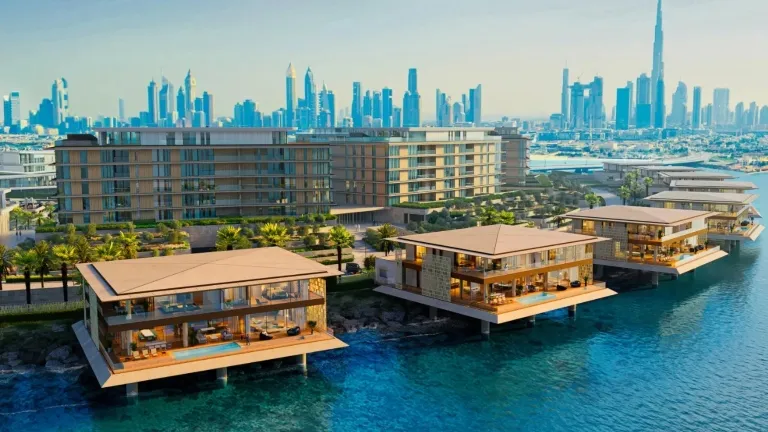
<img loading="lazy" src="/sites/default/files/2026-08/768x432_8.jpg" width="768" height="432" alt="Why Emotional Liveability Is Becoming a Hidden Driver of Property Demand in Dubai" />
<p>Dubai’s premium residential market is entering a more nuanced phase, where demand is shaped by location, architecture, price, and the extent to which a community supports the rhythm of everyday life. For discerning buyers, the value of a home is measured through privacy, ease, wellbeing, visual harmony, and the quiet confidence of belonging to a place that feels thoughtfully designed.</p>
<p>This is where emotional liveability becomes a hidden driver of Dubai property demand. As buyers search for the best communities in Dubai, they are looking beyond conventional markers of prestige and asking whether a neighbourhood can offer long-term comfort, identity, and connection. In this context, community living in Dubai is no longer simply a lifestyle preference alone; it is becoming an increasingly meaningful indicator of how well master planned communities can retain desirability across market cycles.</p>
<h2>What Emotional Liveability Means in Dubai Real Estate</h2>
<p>Emotional liveability refers to the feeling a community creates through design, movement, privacy, greenery, social connection, and everyday convenience. It is the difference between a property that functions well and one that encourages residents to stay longer, participate more deeply, and feel attached to the place.</p>
<p>Investors might consider emotional attachment as a factor that can support demand resilience. Homes in communities that feel easy to live in may attract stronger <a href="https://meraas.com/en/latest-post/journal/what-difference-between-end-user-demand-and-investor-driven-demand-dubai">end-user interest</a>, longer tenancy cycles, and more stable resale appeal. In a competitive market, emotional comfort becomes a strategic layer of market differentiation.</p>
<h2>Why Buyers Are Prioritising Daily Experience</h2>
<p>Dubai’s population growth, international migration, and shift towards long-term residency are changing buyer expectations. Many residents are no longer treating the city as a temporary base. They are seeking homes that support family routines, work-life balance, wellness, privacy, and access to culture.</p>
<p>This is why the quality of community living in Dubai has become more valuable. A well-positioned home is no longer only about proximity to business districts or landmarks. It is about whether daily needs feel effortless: walking to cafés, reaching parks, accessing schools, enjoying shaded public spaces, and feeling part of a neighbourhood rather than isolated within a building.</p>
<h2>How Master Planning Shapes Emotional Value</h2>
<p><a href="https://meraas.com/en/project-listing">Master planned communities</a> can create emotional liveability when homes, streets, landscaping, retail, wellness spaces, and mobility are designed as one connected experience. This reduces friction in daily life and creates a stronger sense of order, identity, and belonging.</p>
<p>Dubai’s public planning direction reinforces this shift. The <a href="https://u.ae/en/about-the-uae/strategies-initiatives-and-awards/strategies-plans-and-visions/transport-and-infrastructure/dubai-2040-urban-master-plan">Dubai 2040 Urban Master Plan</a> aims to enhance the quality of life, increase green and recreational spaces, and place 55% of residents within 800 metres of main public transport stations. This signals a broader move towards neighbourhoods that are built for growth and daily wellbeing.</p>
<p>For property buyers, this makes planning quality a financial consideration. When a community is walkable, serviced, visually coherent, and supported by public realm investment, it can become increasingly difficult to replicate in the market.</p>
<h2>Why this is One of the Key Dubai Real Estate Market Trends</h2>
<p>Among the most important Dubai real estate market trends is the movement from asset-first buying to lifestyle-led asset selection. Price remains important, but premium buyers compare how a property performs across daily life, not only how it performs on a spreadsheet.</p>
<p>This does not weaken the investment case; it strengthens it. Emotional liveability can support both owner-occupier demand and rental appeal because it addresses practical and psychological needs at the same time. Dubai’s rental sector also reflects the depth of resident demand, with registered tenancy contracts reaching 1.38 million in 2025 and a total value of AED 126.4 billion, according to <a href="https://dubailand.gov.ae/en/news-media/dubai-s-rental-sector-records-strong-growth-in-2025-underscoring-market-stability-and-the-strength-of-the-emirate-s-real-estate-ecosystem">Dubai Land Department</a> data.</p>
<h2>What this Means for Premium Communities</h2>
<p>The strongest communities are likely to be those that combine privacy with connection, architecture with landscape, and convenience with a clear identity. Meraas destinations such as <a href="https://meraas.com/en/project/city-walk-crestlane">City Walk</a> show how residential living can sit within a wider urban environment shaped by dining, retail, culture, and public spaces.</p>
<p>For premium buyers, these qualities influence confidence. A home that feels calm, connected, and distinct is more than a place to live; it becomes a long-term lifestyle asset. For investors, the lesson is equally clear: demand is shaped by how people feel inside a community, not only by where that community sits on a map.</p>
<h2>FAQs</h2>
<h3>What is Emotional Liveability in Real Estate?</h3>
<p>Emotional liveability is the sense of comfort, belonging, ease, and wellbeing created by a home and its surrounding community. It includes design quality, privacy, greenery, amenities, and the overall feeling of daily life.</p>
<h3>Why Does Emotional Liveability Affect Dubai Property Demand?</h3>
<p>It affects Dubai property demand because buyers and tenants increasingly want homes that support a complete lifestyle. Communities that feel calm, convenient, and socially connected can attract stronger long-term interest.</p>
<h3>Why are Master Planned Communities Important for Premium Buyers?</h3>
<p>Master planned communities are important because they coordinate homes, public spaces, mobility, amenities, and landscaping into one connected environment.</p>
Back to MediaOther Media
Explore more articles from Meraas
Buying Off-Plan Property in Dubai: How Luxury Buyers Should Assess Build Specifications