Project Search
No Results Found
Search Results - Blog
Search Results - FAQs
No Results Found
No Result Found
The Journal - 22nd June 2026
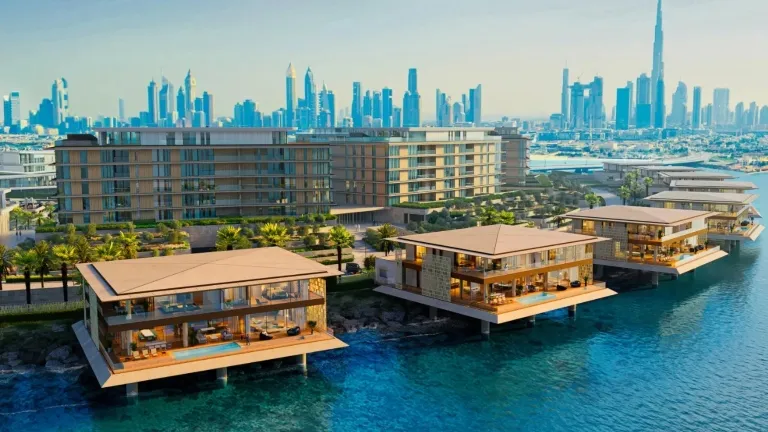
What Buyers Should Look for in a Sustainability-Focused Residential Community
<img loading="lazy" src="/sites/default/files/2026-08/768x432_2.jpg" width="768" height="432" alt="What Buyers Should Look for in a Sustainability-Focused Residential Community" />
<p>As Dubai’s residential landscape continues to evolve, sustainability has become an important consideration for homebuyers seeking long-term value operational efficiency and quality of life. Today, a truly sustainable community offers far more than landscaped surroundings or environmentally conscious branding. It reflects thoughtful planning, efficient design, and a commitment to creating homes that support both resident well-being and responsible resource use.</p>
<h2>Sustainability as a Long-Term Ownership Factor</h2>
<p>A sustainability-focused residential community should be assessed through the lens of day-to-day performance. Efficient buildings can reduce energy and water use, shaded public spaces can improve comfort, and disciplined community management can protect long-term liveability.</p>
<p>For investors, the same features can strengthen resale appeal, tenant demand, and long-term asset performance.. A community that supports lower running costs, easier movement, greater environmental comfort, and strong maintenance standards may be better positioned to attract end users over time.</p>
<h2>Energy Efficiency and Building Performance</h2>
<p>Energy performance is one of the clearest indicators of sustainable community quality and long-term residential efficiency. In Dubai’s climate, cooling demand is especially important, as inefficient building envelopes, inadequate insulation, or poor system design can increase utility costs and reduce comfort.</p>
<h3>Cooling Efficiency</h3>
<p>Buyers should look at how a development manages cooling loads, particularly in a climate where air-conditioning represents a significant share of household energy consumption Efficient façades, high-performance glazing, insulation, shading devices, and well-designed cooling systems can help reduce heat gain. This supports indoor comfort while limiting unnecessary energy consumption during peak summer months.</p>
<p>In practical ownership terms, cooling efficiency matters because <a href="https://www.dewa.gov.ae/en/consumer/sustainability/sustainability-and-conservation/cooling">DEWA</a> notes that each 1°C increase in thermostat set point can save up to 5% on AC consumption, while newer energy-efficient AC systems can reduce cooling consumption by up to 25%.</p>
<p><a href="https://dubaisce.gov.ae/en/taqati/">Dubai’s Demand Side Management Strategy 2050</a> targets savings of at least 30% by 2030 and 50% by 2050 compared with business-as-usual consumption across electricity, water, and transport fuel. Residential communities that align with this direction may be better prepared for future efficiency expectations.</p>
<h3>Smart Systems</h3>
<p>Smart home systems can support sustainability when they improve performance, convenience, and resource efficiency. . Automated temperature control, energy monitoring, lighting controls, and leak detection can help residents manage consumption more effectively.</p>
<h3>Material Choices and Thermal Comfort</h3>
<p>Material selection influences environmental impact, resident comfort, and the long-term durability of residential assets. Sustainable construction materials may include responsibly sourced finishes, durable façade systems, low-emission interior materials, and products selected for longevity rather than short-term visual appeal.</p>
<p>Durability matters because replacement cycles carry cost, disruption, and environmental impact. In <a href="https://meraas.com/en/latest-post/blog/meraas-communities-explore-top-neighbourhoods-dubais-real-estate-scene">premium communities</a>, materials should contribute to thermal comfort, acoustic performance, and maintenance efficiency, supporting both lifestyle quality and long-term asset performance.</p>
<h2>Water Management and Landscape Strategy</h2>
<p>A sustainability-focused community should manage water with the same discipline as energy. In Dubai, landscaping can create comfort, shade, and identity, but it must be designed for long-term efficiency.</p>
<p>Buyers should look for climate-appropriate planting, efficient irrigation, smart water monitoring, and landscape designs that avoid excessive maintenance requirements. Native or adaptive planting can reduce water demand, while shaded walkways, landscaped parks, and planted courtyards can encourage year-round outdoor use. </p>
<p>Drainage should also be part of the assessment. <a href="https://meraas.com/en/project-listing">Well-planned communities</a> consider surface water movement, maintenance access, and the resilience of hardscape materials. Water features, where present, should feel purposeful and responsibly managed rather than decorative additions with high upkeep.</p>
<h2>Waste, Operations, and Community Management</h2>
<p>Many residential communities are designed with strong environmental intentions, but their performance depends on operations, maintenance, and resident participation.</p>
<p>Buyers should assess whether recycling facilities are accessible, waste areas are well managed, maintenance standards are visible, and service charges are transparent. Operational discipline affects the resident experience, long-term property condition, and the overall reputation of the community. </p>
<h2>Wellness and Environmental Comfort</h2>
<p>Environmental comfort is a defining aspect of sustainable living and a key contributor to everyday residential wellbeing. . Natural light, ventilation, shaded open spaces, acoustic control, and air quality all affect how residents experience a home and community.</p>
<p>Wellness-focused design should feel practical. Shaded paths encourage walking. Landscaped courtyards support social interaction. Outdoor fitness areas, children’s play spaces, and calm seating zones create everyday value when they are positioned, shaded, and maintained properly.</p>
<h2>Why Sustainability Can Support Asset Resilience</h2>
<p>Sustainability can support asset resilience because it aligns with several long-term demand drivers at once. Efficient design can reduce operating pressure. Strong landscape planning can improve comfort and community identity. Walkability can strengthen lifestyle appeal. Responsible materials and management can protect building quality over time.</p>
<p>As buyer expectations mature, properties that are costly to operate, uncomfortable during warmer months, or poorly managed may face weaker long-term demand. By contrast, communities that support efficient living and long-term usability can hold broader appeal among residents, tenants, and future buyers.</p>
<p>This is why sustainable real estate should be evaluated as an investment quality marker. It links design decisions to practical outcomes: lower waste, better comfort, stronger resident satisfaction, and greater alignment with future urban policy.</p>
<h2>Building for the Future: Sustainability as a Buyer Priority</h2>
<p>A sustainability-focused residential community should combine efficient buildings, responsible materials, climate-aware landscapes, walkable planning, and disciplined operations. For buyers, these qualities influence more than environmental performance. They shape comfort, ownership costs, resident satisfaction, and long-term asset resilience.</p>
<p>In Dubai’s evolving residential market, sustainability is becoming a defining factor in how premium residential communities are evaluated. The strongest developments will be those where design, operations, and lifestyle work together to create homes that feel refined, efficient, and enduring. Explore that in <a href="https://meraas.com/en/latest-project-page">Meraas communities</a>.</p>
<h2>FAQs</h2>
<h3>What Makes a Residential Community Sustainable?</h3>
<p>A sustainable residential community combines efficient building systems, responsible material choices, water-conscious landscaping, walkable public spaces, waste management, and strong long-term operations.</p>
<h3>Why Do Sustainable Features Matter for Property Buyers?</h3>
<p>Sustainable features can influence utility costs, indoor comfort, maintenance quality, and future buyer perception.</p>
<h3>What Should Buyers Check Before Purchasing in a Sustainability-Focused Community?</h3>
<p>Buyers should check green building standards, cooling efficiency, smart systems, landscape strategy, transport access, service charge transparency, waste management, material quality, and the long-term maintenance plan for shared spaces.</p>
Back to MediaOther Media
Explore more articles from Meraas
Buying Off-Plan Property in Dubai: How Luxury Buyers Should Assess Build Specifications