Project Search
No Results Found
Search Results - Blog
Search Results - FAQs
No Results Found
No Result Found
The Journal - 11th June 2026
Why Buyers are Prioritising Outdoor Lifestyle Amenities in Dubai Communities
<img loading="lazy" src="/sites/default/files/2026-08/768x432_0.jpg" width="768" height="432" alt="Why Buyers are Prioritising Outdoor Lifestyle Amenities in Dubai Communities" />
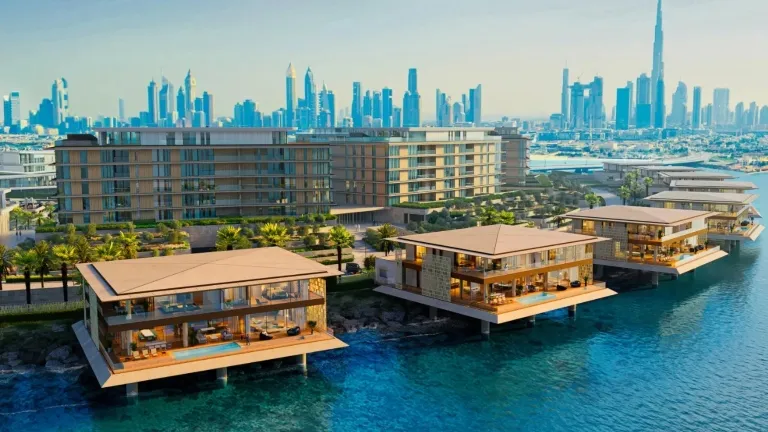
<p>Dubai’s residential market is moving beyond conventional amenity-led development. As buyers place greater value on wellbeing, daily convenience, and community experience, outdoor lifestyle amenities are becoming a stronger measure of residential quality. In premium residential communities in Dubai, open spaces, shaded walkways, landscaped courtyards, and leisure areas shape how residents move, gather, and feel connected to their surroundings.</p>
<h2>Outdoor Living as a New Measure of Residential Quality</h2>
<p>The quality of outdoor spaces now influences how buyers evaluate a home’s wider value. Earlier amenity strategies often focused on quantity, with long lists of facilities used to signal lifestyle appeal. Today, buyers look at whether amenities are usable, well-integrated, and relevant to daily routines.</p>
<p>As a result, thoughtfully designed outdoor environments are becoming a key differentiator in Dubai’s residential market, influencing both lifestyle appeal and long-term desirability.</p>
<h3>How Outdoor Spaces Shape Daily Community Life</h3>
<p>Outdoor lifestyle infrastructure affects how often residents engage with a community. A shaded walking route used every morning, a landscaped seating area near the home, or a safe play zone for children can have more impact on residential satisfaction than a larger amenity that is rarely used.</p>
<p>These everyday touchpoints help transform outdoor areas from occasional destinations into an integral part of daily living, encouraging residents to spend more time within their community.</p>
<h3>Dubai’s Vision for More Liveable Communities</h3>
<p>Dubai’s own planning direction reinforces this shift. The <a href="https://u.ae/en/about-the-uae/strategies-initiatives-and-awards/strategies-plans-and-visions/transport-and-infrastructure/dubai-2040-urban-master-plan">Dubai 2040 Urban Master Plan</a> aims to double the amount of green and recreational spaces and expand public parks, reflecting a citywide move towards more human-centred urban environments. For buyers, this strengthens the relevance of communities that already place outdoor experience at the centre of residential planning.</p>
<p><a href="https://mediaoffice.ae/en/news/2024/may/14-05/hamdan-bin-mohammed-approves-dubai-quality-of-life-strategy">Dubai’s Quality of Life Strategy 2033</a> gives this shift measurable context, with plans to expand public parks from 23 sq km to 64 sq km, a 180% increase, and develop over 200 parks and squares across the emirate.</p>
<p>Together, these initiatives highlight the growing importance of green space, walkability, and outdoor recreation in shaping the future of urban living in Dubai.</p>
<h2>Why Outdoor Amenities Matter More in Community Decision-Making</h2>
<p>Outdoor amenities help define the rhythm of daily life, influencing how residents move, socialise, and interact with their surroundings. Walkability, shaded routes, pocket parks, waterfront promenades, courtyards, and leisure zones reduce dependence on enclosed spaces and make community living feel more natural.</p>
<h3>Benefits for Families, Professionals, and Investors</h3>
<p>For families, outdoor spaces support safer routines, from school runs and evening walks to children’s play and weekend gatherings. For professionals, they create opportunities for movement, informal social interaction, and a stronger sense of balance between work and home. For investors, these features can support demand by broadening a property’s appeal among end users and tenants.</p>
<h2>The Wellness Factor Behind Outdoor Demand</h2>
<p>Wellness is increasingly influencing property decisions, evolving from a lifestyle preference into a key factor in how buyers assess residential quality. Dubai’s growing participation in citywide fitness initiatives, along with wider planning strategies around walkability and open space, shows how health-focused living is becoming embedded in the city’s residential expectations.</p>
<h3>Movement and Active Living</h3>
<p>Outdoor amenities encourage movement when they are easy to access. Walking tracks, cycling routes, open lawns, fitness areas, and pedestrian-friendly streets help residents build activity into everyday routines without relying solely on gyms or private facilities.</p>
<p>A well-shaded walking path close to home is more likely to be used consistently than a facility that requires planning or travel. In this sense, outdoor design can turn wellness from an occasional activity into part of daily life.</p>
<h3>Mental Wellbeing and Open Space</h3>
<p><strong>Access to well-designed open space can contribute significantly to mental well-being, offering moments of calm within an urban environment.</strong> Landscaped areas, water features, quiet seating zones, and views across greenery can soften the pace of urban living. The emotional value of outdoor design also influences how residents perceive comfort, privacy, and quality of life.</p>
<h3>Family Time and Social Connection</h3>
<p>Outdoor amenities in family-friendly communities in Dubai create places where children can play, neighbours can meet, and families can spend time together without leaving the community.</p>
<p>These shared spaces help build familiarity and social trust. When parks, courtyards, and leisure areas are visible, safe, and close to homes, they encourage natural interaction. This strengthens the <a href="https://meraas.com/en/latest-post/blog/explore-community-experience-meraas-waterfront-developments">community experience</a>, which can be especially valuable for international buyers and relocating families seeking a settled lifestyle in Dubai.</p>
<h2>How Outdoor Design Supports Community Living in Dubai</h2>
<p>Strong outdoor design depends on planning discipline. Human-scale streets, pedestrian networks, shaded seating, soft landscaping, water features, and accessible leisure areas all contribute to whether a community feels comfortable and intuitive.</p>
<p>The most successful outdoor environments seamlessly connect homes with retail, leisure, wellness, and community facilities through intuitive, pedestrian-friendly routes. This supports a more walkable lifestyle and makes daily journeys feel part of the residential experience rather than a functional necessity.</p>
<p>In Dubai, shade, planting, ventilation, materials, and water elements all influence how usable outdoor areas feel throughout the year. Buyers are therefore looking beyond visual appeal and asking whether outdoor spaces are practical, comfortable, and maintained to a high standard.</p>
<h2>Why Outdoor Amenities Influence Long-Term Demand</h2>
<p>Outdoor lifestyle amenities often support long-term demand because their value is reinforced through everyday use rather than occasional engagement. A well-designed park, shaded promenade, or landscaped courtyard is not a one-time feature; it shapes daily routines and strengthens emotional attachment to place.</p>
<h3>Broader Appeal Across Buyer Segments</h3>
<p>As a result, communities with strong outdoor infrastructure can benefit from higher resident satisfaction, stronger tenant retention, and greater resale confidence. Homes in communities with strong outdoor infrastructure may appeal to a wider range of residents, including families, wellness-focused professionals, and international buyers seeking a more <a href="https://meraas.com/en/latest-post/journal/why-lifestyle-alignment-replacing-price-sensitivity-premium-buyers">complete lifestyle environment</a>.</p>
<h2>What Buyers Should Look for Beyond the Amenity List</h2>
<p>A lengthy amenity list alone is no longer enough to demonstrate lifestyle quality. Buyers are increasingly focused on how amenities integrate into everyday living and whether they enhance the overall residential experience. Shade, accessibility, maintenance quality, privacy, safety, and proximity to homes all effect whether outdoor spaces are used consistently.</p>
<h3>The Importance of Ongoing Maintenance</h3>
<p>Landscaping, seating, lighting, play areas, and water features require ongoing care to preserve their appeal. Poorly maintained outdoor spaces can weaken the resident experience and reduce the perceived quality of a community over time.</p>
<h3>Designing for Diverse Lifestyles and Age Groups</h3>
<p>Buyers should also consider whether outdoor areas serve different age groups and routines. A well-planned community should offer spaces for quiet retreat, active movement, family time, and informal social interaction.</p>
<h2>The Growing Importance of Outdoor Lifestyle Amenities in Dubai Communities</h2>
<p>Outdoor lifestyle amenities have become one of the defining factors shaping how buyers evaluate residential communities in Dubai. As the city places greater emphasis on liveability, wellness, and human-scale planning, open spaces are becoming linked to daily comfort, long-term demand, and residential value.</p>
<p>For Meraas, this aligns with a wider vision of <a href="https://meraas.com/en/latest-post/journal/why-residents-love-these-amenities-meraas-communities">design-led living</a>, where architecture, landscaping, movement, and social experience come together to create communities with enduring appeal. <a href="https://meraas.com/en/about-us">Explore that now</a>!</p>
<h2>FAQs</h2>
<h3>Why are Outdoor Amenities Important in Dubai Communities?</h3>
<p>Outdoor amenities support daily well-being, walkability, family life, and social connection. They help residents experience a community beyond the home, which can strengthen long-term satisfaction and demand.</p>
<h3>What Outdoor Features Should Buyers Look For?</h3>
<p>Buyers should look for shaded walkways, landscaped parks, seating areas, children’s play spaces, active lifestyle zones, safe pedestrian routes, and high-maintenance standards.</p>
<h3>Do Outdoor Amenities Influence Property Value?</h3>
<p>Outdoor amenities can influence long-term demand by improving resident experience, tenant appeal, and resale confidence.</p>
Back to MediaOther Media
Explore more articles from Meraas
Buying Off-Plan Property in Dubai: How Luxury Buyers Should Assess Build Specifications