Project Search
No Results Found
Search Results - Blog
Search Results - FAQs
No Results Found
No Result Found
The Journal - 9th June 2026
Early-Phase Vs Later-Phase Buying: When Does Entry Timing Matter Most?
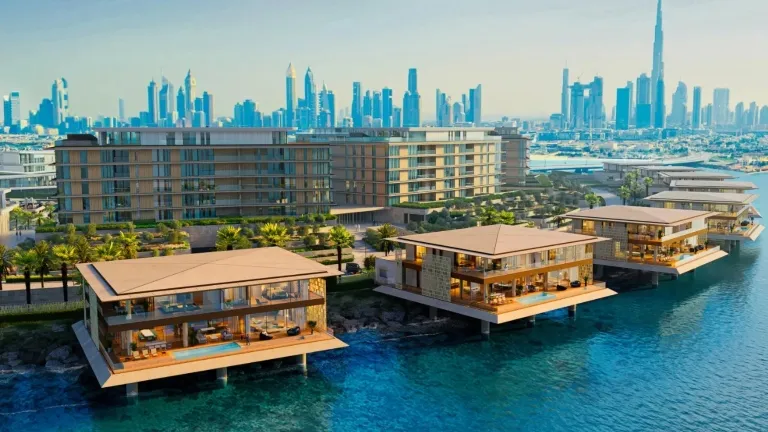
<img loading="lazy" src="/sites/default/files/2026-08/768x432_4.jpg" width="768" height="432" alt="Early-Phase Vs Later-Phase Buying: When Does Entry Timing Matter Most?" />
<p>Dubai’s off-plan market offers buyers more than a choice of location, design, or price point. It also presents a strategic decision about when to enter a development and how that timing may influence future value, unit selection, and investment performance. While some buyers prefer to secure a property at launch, others wait until construction is further advanced, and the development has taken clearer shape.</p>
<p>For buyers considering off-plan property in Dubai, both approaches can offer compelling advantages. Early-phase buying may provide access to a wider selection of units and more attractive entry pricing, while later-phase buying can offer greater confidence through visible progress and stronger market validation. Understanding the benefits and trade-offs of each stage can help buyers make decisions that align with their investment goals, lifestyle priorities, and appetite for risk.</p>
<h2>Why Timing Can Shape Property Outcomes</h2>
<p>Entry timing can influence the price paid, the payment schedule, the unit selected, and the level of uncertainty accepted. In Dubai’s off-plan property market, these factors can directly affect capital appreciation potential, resale liquidity, and overall investment outcomes. Early phases often give buyers access to a broader inventory before the most desirable layouts, views, and unit positions are absorbed. Later phases, however, allow buyers to assess sales momentum, construction progress, and market response before committing capital.</p>
<h2>What Early-Phase Buying Usually Offers</h2>
<ul type="disc">
<li>
<h3>Wider Unit Selection</h3>
<p>Early-phase buyers usually have access to a wider range of units, including preferred floor levels, layouts, orientations, and views. In premium communities, this can be especially important because the most desirable assets are often defined by <a href="https://meraas.com/en/latest-post/journal/why-land-scarcity-becoming-key-driver-property-value-dubai">scarcity</a> rather than size alone. A better-positioned unit may hold stronger resale appeal, particularly where views, privacy, or proximity to key lifestyle amenities are limited. Within master-planned communities, these differentiators can contribute to stronger long-term demand and value retention.</p>
</li>
<li>
<h3>Potential Entry-Price Advantage</h3>
<p>Developers may introduce earlier phases at more attractive pricing to build sales momentum and support launch absorption. For investors, this can create a lower cost base before later pricing reflects stronger demand, construction progress, or wider market appreciation. The advantage is strongest when the project is well-positioned, supply is controlled, and demand is not purely speculative. Projects located within established lifestyle destinations or emerging growth corridors often demonstrate the greatest potential for sustainable price progression.</p>
</li>
<li>
<h3>Longer Payment Horizon</h3>
<p>Early entry often provides a longer payment horizon, which can improve cash-flow planning. Instead of committing a larger amount closer to handover, buyers may spread payments across a longer development timeline. This can make early-phase buying attractive for international buyers managing currency exposure, liquidity, and portfolio allocation.</p>
</li>
<li>
<h3>Early Access to Preferred Views or Layouts</h3>
<p>In <a href="https://meraas.com/en/latest-post/journal/why-design-led-communities-are-outperforming-traditional-developments-dubai">design-led communities</a>, not every unit carries the same long-term appeal. Views, outdoor space, corner layouts, privacy, and access to landscaped areas can influence both end-user demand and resale liquidity. Early selection matters most when these attributes are limited and cannot be replicated in later phases.</p>
</li>
</ul>
<h2>What Later-Phase Buying Usually Offers</h2>
<ul type="disc">
<li>
<h3>More Project Visibility</h3>
<p>Later-phase buyers can usually assess more tangible progress before committing. Construction movement, infrastructure delivery, and development milestones provide clearer signals of execution. For risk-conscious buyers, greater visibility can provide additional confidence in delivery timelines and project quality. This can reduce uncertainty for buyers who want stronger evidence before entering the market.</p>
</li>
<li>
<h3>Clearer Community Maturity</h3>
<p>As a project advances, buyers can better understand how the surrounding community is developing. Retail, landscape design, public spaces, access routes, and nearby amenities become easier to evaluate. For end-users, this can be more valuable than entering at the earliest price point because lifestyle confidence plays a central role in long-term satisfaction. The ability to experience a community's evolving character can also support more informed purchasing decisions.</p>
</li>
<li>
<h3>Reduced Uncertainty Around Demand</h3>
<p>Later phases provide more evidence of buyer interest. Strong absorption across earlier releases can indicate market acceptance, while slower sales may suggest pricing sensitivity or weaker positioning. This is particularly useful for investors comparing multiple launches and seeking assets with more visible demand resilience.</p>
</li>
<li>
<h3>Better Evidence of Market Acceptance</h3>
<p>A later-phase purchase allows buyers to assess whether the project has gained traction beyond its initial launch. If resale demand, rental expectations, and price progression remain healthy, the asset may offer a clearer investment case. The trade-off is that stronger evidence often comes with higher pricing and reduced choice.</p>
</li>
</ul>
<h2>What Buyers Should Compare Before Choosing a Phase</h2>
<p>Before choosing between early-phase and later-phase buying, buyers should compare more than the headline price. Price progression between phases can show whether demand is organic or heavily launch-driven. <a href="https://meraas.com/en/latest-post/guide/understanding-payment-plans-and-financing-options-dubai-real-estate">Payment plan</a> changes can affect total affordability and cash-flow discipline. View premiums should be assessed against resale value, not only emotional preference.</p>
<p>Construction progress, expected handover timing, and competing supply should also shape the decision. A lower entry price may lose appeal if the unit has weaker resale liquidity, limited rental depth, or less desirable positioning. Equally, a later-phase unit may justify a premium if it offers clearer delivery confidence, stronger market acceptance, and better long-term liveability.</p>
<p>Supply should also be assessed carefully. <a href="https://propertymonitor.com/insights/monthly-market-report/monthly-market-report-december-2025">Property Monitor</a> reported more than 167,000 new units launched in 2025, while <a href="https://cavendishmaxwell.com/insights/market-reports/residential/dubai-residential-market-performance-q1-2026">Cavendish Maxwell</a> projected around 77,500 residential units for delivery in 2026, making competing supply and handover timing important factors in phase selection.</p>
<h2>Choosing the Right Entry Point for Long-Term Value</h2>
<p>Early-phase and later-phase buying each has a place in a disciplined property strategy. The most suitable approach depends on an individual buyer's objectives, risk tolerance, investment horizon, and lifestyle priorities. Early entry can be valuable when unit scarcity, design quality, and market momentum support long-term appreciation. A later entry can be more suitable when buyers want clearer visibility, reduced uncertainty, and stronger evidence of demand.</p>
<p>Whether entering at launch or later in the development cycle, choosing the right community and asset remains essential. Explore <a href="https://meraas.com/en/project-listing">Meraas destinations</a> and discover thoughtfully designed residences that combine lifestyle appeal, long-term value, and strong investment potential.</p>
<h2>FAQs</h2>
<h3>Is Early-Phase Buying Always Better for Dubai Property Investment?</h3>
<p>Early-phase buying is not always better. It can offer a stronger choice and potential pricing advantage, but it also involves more uncertainty. The value depends on the project’s positioning, scarcity, developer track record, payment structure, and wider market conditions.</p>
<h3>Why Do Buyers Choose Later Phases in Off-Plan Projects?</h3>
<p>Buyers may choose later phases because they offer more visibility on construction progress, community development, and market acceptance.</p>
<h3>How Should Buyers Assess Entry Timing in Off-Plan Property in Dubai?</h3>
<p>Buyers should compare price progression, unit positioning, payment plans, construction progress, handover timing, resale liquidity, rental potential, and competing supply.</p>
Back to MediaOther Media
Explore more articles from Meraas


Buying Off-Plan Property in Dubai: How Luxury Buyers Should Assess Build Specifications