Project Search
No Results Found
Search Results - Blog
Search Results - FAQs
No Results Found
No Result Found
The Journal - 20th January 2026
The Rise of Experience-Driven Real Estate Developments in Dubai
<img loading="lazy" src="/sites/default/files/2026-04/Banner_1.jpg" width="1920" height="1080" alt="The Rise of Experience-Driven Real Estate Developments in Dubai" />
<p>Dubai’s premium residential story is shifting from “what is built” to how a place performs day to day, public realm quality, curated retail and culture, walkability, and consistent standards that turn districts into repeatable habits. The city’s scale as a global destination strengthens this logic: <a href="https://www.dubaidet.gov.ae/en/research-and-insights">Dubai welcomed 19.59 million international overnight visitors in 2025</a>, reinforcing why experience-led places can convert attention into sustained demand.</p>
<h2>Experience-Driven Development: A New Baseline for Premium Demand</h2>
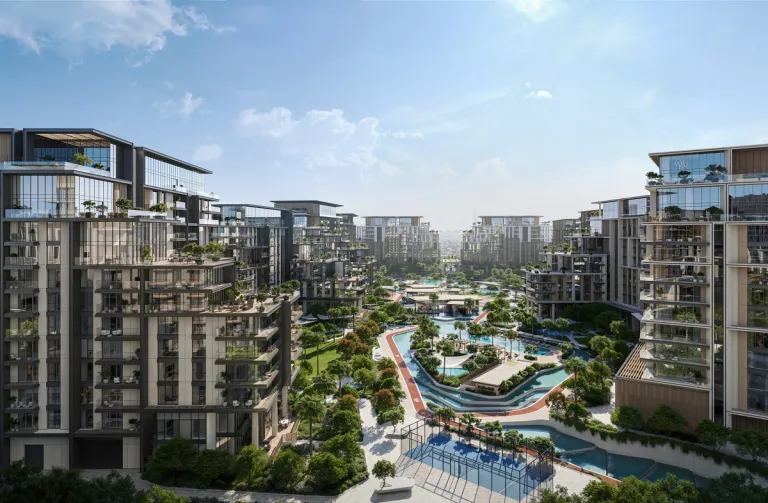
<p>What Counts As “Experience” In Real Estate Today Experience is the total ecosystem: comfortable streets and <a href="https://meraas.com/en/latest-post/blog/luxury-waterfront-investment-explore-appeal-meraas-waterfront-apartments">waterfronts</a>, parks and third places, a curated tenant mix, year-round programming, and operations that keep the place feeling consistent long after launch.</p>
<h3><strong>Why This Shift Is Accelerating in Dubai</strong></h3>
<h3><strong>Maturing buyer expectations in a Global Investment Market </strong></h3>
<p>Dubai’s liquidity and choice-set are expanding rapidly. In 2025, the market recorded over <a href="https://dmo.dof.gov.ae/en/news-and-publications/latest-press-releases/dubai-s-real-estate-market-records-new-historic-milestone-with-transactions-exceeding-aed917-billion-usd-2497-bn-in-2025">270,000 real estate transactions worth AED 917 billion</a>, raising the bar for distinctiveness. Interchangeable inventory competes on price, while integrated ecosystems compete on address value and long-term relevance.</p>
<h3><strong>Competing destinations and the need for differentiation </strong></h3>
<p>Dubai’s global throughput supports experienced-led demand at scale. <a href="https://media.dubaiairports.ae/dxb-sets-global-benchmark-as-record-traffic-become-the-norm">Dubai International Airport (DXB) handled 95.2 million guests in 2025</a>, keeping the city in continuous circulation for visitors, investors, and relocators, an advantage for districts designed to generate repeat visitation and sustained brand gravity.</p>
<h3><strong>The move from single-use projects to integrated districts </strong></h3>
<p><a href="https://dubai2040.ae/en/">The Dubai 2040 Urban Master Plan</a> reinforces a more people-oriented direction, including improvements that support walkability, cycling, and public transport, which aligns directly with experience-led planning.</p>
<h2>The Economics of Experience: How It Translates into Value</h2>
<h3><strong>Experience as a Demand Engine</strong></h3>
<p>Higher Footfall and Stronger Retail Performance Experience-led districts can produce measurable commercial strength. A leading retail destinations in Dubai reported 98.5% occupancy with over 7% year-on-year tenant sales growth, signaling how footfall and curation can support leasing outcomes.</p>
<h3><strong>Longer Dwell Time, Repeat Visitation, and Brand Gravity</strong></h3>
<p>Leading operators are investing accordingly. Another major retail destination in Dubai announced an experience-led transformation programme, including 20,000 sq. m of added retail and 100 new stores, reflecting the shift from retail-only formats to multi-daypart lifestyle districts. Wider Buyer Depth and Stronger Tenant Demand</p>
<p>When a district supports daily routines, work, wellness, dining, family time, it widens demand across end-users, tenants, and investors, strengthening absorption and rental depth.</p>
<h2>Why Experience Can Support Pricing Power</h2>
<h3><strong>Address Value and Perceived Scarcity</strong></h3>
<p>Distinct, well-managed districts create scarcity through identity and curation, rather than supply limits alone.</p>
<h3><strong>Reduced Substitutability Versus Commodity Inventory</strong></h3>
<p>A strong ecosystem is inherently harder to replicate, reducing direct comparables and supporting pricing resilience. Resilience Across Market Cycles Through Consistent Desirability</p>
<p>Places that remain consistently usable and well maintained tend to retain demand through slower phases, as desirability is anchored in daily function rather than launch momentum.</p>
<h2>The Building Blocks of Experience-Led Communities</h2>
<h3><strong>Public Realm as the Primary Amenity</strong></h3>
<p>Shaded walkways, waterfront edges, parks, and comfortable streets are no longer peripheral features. They form the primary value layer that drives routine use and long-term retention.</p>
<h3><strong>Curated Mix and Daypart Strategy</strong></h3>
<h4><strong>Retail and F&B that feels local rather than generic</strong></h4>
<p>Curation matters: the right mix balances daily convenience with destination pull, supporting frequency and spend.</p>
<h4><strong>Wellness, culture, and family anchors</strong></h4>
<p>Wellness, culture, and family programming extend dwell time and repeat visitation, critical for both leasing strength and residential desirability.</p>
<h2>How A Strong Mix Reduces Churn and Supports Leasing Velocity</h2>
<p>A coherent mix reduces churn by making daily life easier and more enjoyable, supporting tenant retention and lowering vacancy friction. On the commercial side, stable footfall and identity typically attract stronger operators, improving leasing velocity and reinforcing the district’s positioning.</p>
<h2>Who Is Driving Demand for Experience-Led Living</h2>
<h3><strong>End-Users: Lifestyle As a Decision Filter </strong></h3>
<p><a href="https://meraas.com/en/latest-post/journal/dubais-shift-end-user-demand-redefining-value-developers-and-investors">End-users increasingly screen for neighbourhood performance</a>, walkability, comfort, safety, and the ease of daily routines, rather than unit specifications alone.</p>
<h3><strong>Investors: Performance That Goes Beyond Headlines</strong></h3>
<p>Investors focus on durability: demand depth, occupancy stability, and pricing power that comes from place identity and consistent standards.</p>
<h2>Measuring Experience-Led Value</h2>
<h3><strong>The Indicators That Signal Strong Experience Design</strong></h3>
<h3><strong>Repeat Visitation and Community Activation</strong></h3>
<p>Look for evidence of year-round programming, not one-off launch marketing.</p>
<h3><strong>Tenant Quality, Leasing Velocity, and Retention</strong></h3>
<p>High occupancy, strong tenant line-up, and visible leasing momentum signal an ecosystem that works in practice.</p>
<h3><strong>Public Realm Utilisation: Parks, Promenades, and Third Places</strong></h3>
<p>The simplest test is utilisation across dayparts and seasons, spaces that stay active beyond weekends and peak months.</p>
<h2>What Buyers Should Ask Before Committing</h2>
<ul>
<li>Who curates the tenant mix and experience standards? Governance and curation determine long-term quality</li>
<li>What is the programming plan beyond launch? A credible activation strategy should extend well beyond handover.</li>
<li>How is the public realm maintained and funded? Maintenance funding and operational discipline protect both the experiencer and asset performance.</li>
</ul>
<h2>What This Means for Dubai’s Next Growth Phase</h2>
<h3><strong>From Inventory to Ecosystems</strong></h3>
<p>Dubai’s visitor scale and market liquidity increasingly reward districts that convert attention into repeatable routines and long-term residency.</p>
<h3><strong>Sustainability And Wellbeing as Experience Multipliers</strong></h3>
<p>Comfort-driven design, mobility integration, greenery, and healthier daily routines are becoming core experience features, alongside their role in supporting long-term liveability. </p>
<h3><strong>Experience Is Becoming the Strongest Form of Differentiation</strong></h3>
<p>In Dubai’s premium market, experience has become an economic advantage: it expands demand pools, reduces substitutability, and supports pricing power through identity and consistency. </p>
<p><a href="https://meraas.com/en/project-listing">Explore Meraas’ residential communities in Dubai</a> redefining urban living and discover investment opportunities with Meraas through destinations built around design-led living and enduring place quality.</p>
<h2>FAQs</h2>
<h3><strong>1.Are experience-driven communities better for investors or end-users?</strong></h3>
<p>They typically benefit both: end-users gain day-to-day liveability, while investors value demand depth and retention dynamics that support occupancy and pricing power.</p>
<h3><strong>2.How can buyers verify the “experience” before purchase?</strong></h3>
<p>Assess public realm use at different times, review tenant mix and activation plans, and confirm who governs curation and maintenance standards.</p>
<h3><strong>3.Do experience-led destinations hold value better during market slowdowns?</strong></h3>
<p>They are often better positioned because demand is anchored in daily utility and identity, not just launch momentum, especially in a high-liquidity market environment.</p>
Back to Media