Project Search
No Results Found
Search Results - Blog
Search Results - FAQs
No Results Found
No Result Found
The Journal - 17th December 2025
Dubai’s Shift to End-User Demand: Redefining Value for Developers and Investors
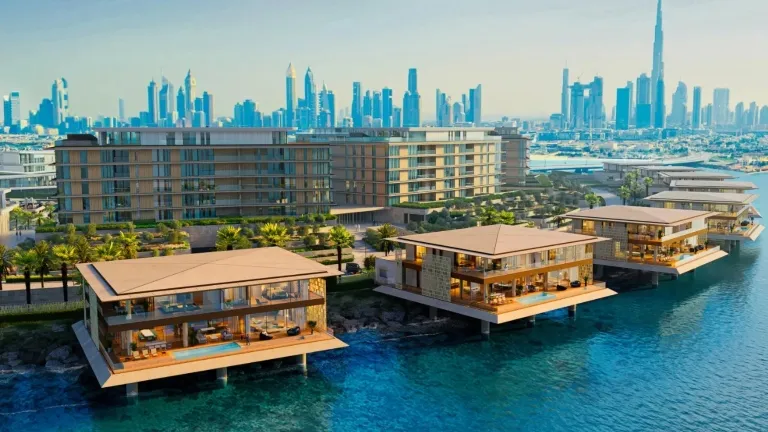
<img loading="lazy" src="/sites/default/files/2026-01/Thumbnail_10.jpg" width="768" height="432" alt="Dubai’s Shift to End-User Demand: Redefining Value for Developers and Investors" />
<p>For much of the past decade, Dubai’s residential market was defined by yield optimisation and capital growth strategies. The narrative is now evolving. According to PropertyNews.ae, “the proportion of buyers who identified as end-users, those buying to live rather than purely invest, rose from 38% to 44% of all residential transactions in 2023.”</p>
<p>This shift signals a deeper recalibration of the market, where residential intent is increasingly shaping demand, pricing resilience, and development strategy. As owner-occupier takes a larger share of transactions, the emphasis is moving towards longevity, quality, and community performance rather than short-term arbitrage.</p>
<p>This structural change is influencing how projects are conceived, how locations are valued, and how long-term returns are generated for both developers and investors.</p>
<h2>Who Are End-User Buyers?</h2>
<p>End-user buyers differ fundamentally from yield-focused investors. Their decision-making framework is anchored in daily experience, long-term stability, and lifestyle continuity rather than exit timing or rental yield compression.</p>
<ul>
<li>Established expatriate families planning long-term residence.</li>
<li>Professionals relocating under the <a href="https://meraas.com/en/latest-post/guide/uae-residency-through-real-estate-investment-meraas">Golden Visa</a> or retirement pathways.</li>
</ul>
<p>Regional buyers acquiring second homes for lifestyle and future use. These buyers evaluate property through lived practicality rather than spreadsheet performance. Factors such as school access, commuting efficiency, neighbourhood identity, and predictable service charges carry greater weight than short-term market movements.</p>
<p>Industry estimates for 2025 indicate that end-users now account for approximately 40% of residential transactions, with investors representing the remaining ~60%. This balance reflects a market that is increasingly anchored by genuine residential demand.</p>
<h2>What’s Driving the Shift Towards End-Users? </h2>
<p>Several structural factors are <a href="https://meraas.com/en/latest-post/blog/latest-trends-shaping-dubais-real-estate-market-comprehensive-update">fueling this trend</a>, including:</p>
<p><strong>● Visa Reforms</strong></p>
<p>Long-term residency frameworks, including the Golden Visa and retirement visas, have removed uncertainty around tenure, enabling expatriates to plan with confidence.</p>
<p><strong>● Rising Rents</strong></p>
<p>High rental costs are pushing tenants to become homeowners to lock in their housing costs.</p>
<p><strong>● Market Maturity</strong></p>
<p>Dubai’s residential sector has progressed beyond rapid-cycle speculation. Buyers are now aligning decisions with long-term life planning and wealth preservation.</p>
<p><strong>● Quality of Life</strong></p>
<p>The appeal of Dubai’s safety, infrastructure, healthcare, and education continue to position the city as a preferred destination for globally mobile households. </p>
<p><strong>●Global Interest Rates</strong></p>
<p>Higher interest rates have moderated speculative activity, allowing equity-backed and end-user purchasers to exert greater influence on market direction.</p>
<h2>How End-User Demand Changes What Sells</h2>
<p>When property is acquired as a primary residence, value is measured differently. Design decisions that maximise unit count or headline yields often fall short of long-term residential expectations.</p>
<p>End-users prioritise:</p>
<ul>
<li>Efficient, well-proportioned layouts that support daily living</li>
<li>Generous storage, practical kitchens, and secure parking allocations.</li>
<li>Acoustic comfort, natural daylight, and environmental performance.</li>
<li>Proximity to green spaces, pedestrian-friendly streets, and social infrastructure.</li>
<li>Confidence in developer delivery, asset management, and after-sales stewardship.</li>
</ul>
<h2>Impact on Developers: Design, Product and Pricing</h2>
<p>For developers, the market is transitioning from transactional momentum to reputational endurance. Success is increasingly measured by occupancy quality and long-term community performance.</p>
<ul>
<li>Reducing reliance on micro-units to family-oriented homes</li>
<li>Focusing on <a href="https://meraas.com/en/latest-post/journal/dubais-master-planned-communities-refined-approach-modern-living">master-planned communities</a>.</li>
<li>Elevating material selection, finishing standards, and build consistency.</li>
<li>Protecting brand equity through delivery discipline and long-term asset care.</li>
<li>Structuring payment plans that are tied to completion, appealing to mortgage-backed buyers.</li>
</ul>
<h2>What This Means for Investors</h2>
<p>An end-user-driven market strengthens long-term investment fundamentals and improves risk-adjusted returns.</p>
<p><strong>● Reduced Volatility</strong></p>
<p>Homeowners are structurally less sensitive to short-term fluctuations, limiting abrupt price corrections.</p>
<p><strong>● Stronger Resale Values</strong></p>
<p>Communities with higher occupancy tend to maintain superior upkeep, social cohesion, and buyer appeal.</p>
<p><strong>● Reduced Risk of Oversupply</strong></p>
<p>Demand in established and well-planned areas reflects genuine residential absorption.</p>
<p><strong>● Capital Appreciation</strong></p>
<p>Value growth is supported by infrastructure delivery, community maturation, and sustained desirability.</p>
<h2>Location Matters More Than Ever</h2>
<p>End-user demand is concentrated and selective. Buyers tend to gravitate toward locations that demonstrate long-term planning credibility and lifestyle integration.</p>
<p>Demand is consolidating within: Established or emerging masterplans with integrated facilities.</p>
<p>● Areas with reputable schools, retail, and transport links.</p>
<p>● Communities supported by visible infrastructure investment and long-term development commitments.</p>
<h2>A Healthier Phase for Dubai Real Estate</h2>
<p>The growing influence of end-users marks a defining phase in Dubai’s residential evolution. It signifies a move towards stability, sustainability, and genuine community formation.</p>
<p>As global residents increasingly view Dubai as a permanent base rather than a temporary destination, developments that deliver authenticity, continuity, and residential integrity will command enduring value. These communities are positioned to outperform across cycles, benefiting residents, developers, and long-term investors alike.</p>
<p>Explore residences designed for long-term living, set within thoughtfully master-planned communities by Meraas.</p>
<h2>Frequently Asked Questions</h2>
<h3><strong>1.How does the rise of end-user buyers affect rental yields?</strong></h3>
<p>Higher owner-occupancy can moderate rental supply, but it typically elevates overall community quality. Over time, this supports stronger capital appreciation, balancing yield compression in highly transient areas.</p>
<h3>2.Are off-plan properties suitable for end-users?</h3>
<p>Yes, developers are increasingly structuring payment plans around construction milestones, aligning with mortgage eligibility and buyer certainty. This allows end-users to secure residences within premium master communities at current pricing ahead of handover.</p>
<h3>3.Which areas in Dubai are most popular with end-user buyers?</h3>
<p>End-users favour master-planned districts offering a “15-minute city” lifestyle. City Walk, Port de La Mer, and The Acres remain in strong demand due to integrated retail, green spaces, and family-oriented environments.</p>
Back to MediaOther Media
Explore more articles from Meraas

Buying Off-Plan Property in Dubai: How Luxury Buyers Should Assess Build Specifications