Project Search
No Results Found
Search Results - Blog
Search Results - FAQs
No Results Found
No Result Found
The Journal - 8th December 2025
What is Capital Appreciation? An Investor Guide
<img loading="lazy" src="/sites/default/files/2026-04/Thumbnail.jpg" width="768" height="432" alt="What is Capital Appreciation? An Investor Guide" />
<p>Investing is about making capital work more efficiently over time. Investors typically look back five or ten years with one clear expectation: that their assets are worth more than the original purchase price. This upward movement in value is known as capital appreciation.</p>
<p>But how does it actually work? Why do some assets skyrocket while others stagnate? This guide explores the mechanics of appreciation, the specificdrivers of value, and the indicators seasoned investors monitor when assessing long-term growth potential.</p>
<h2>What Is Capital Appreciation?</h2>
<p>Capital appreciation refers to the market value of an asset over time. It is measured by the difference between the purchase price and eventual selling price.</p>
<p>While this guide focuses heavily on real estate, appreciation occurs across various asset classes, including stocks, mutual funds, and commodities. Across these markets, appreciation is shaped by broad macroeconomic forces such as economic growth, interest rate cycles, inflation trends and investor sentiment, alongside asset-specific fundamentals that determine long-term resilience. In equities, this may include earnings growth, market positioning and management performance; in commodities, global supply-demand dynamics and geopolitical factors often play a defining role.</p>
<h2>What Influences Capital Appreciation?</h2>
<p>In real estate, capital appreciation is typically more structural in nature, driven by location, infrastructure investment, demographic shifts and the quality of development, making it particularly attractive to investors seeking tangible assets with enduring value characteristics. Key drivers include:</p>
<h3><strong>1. Location and Connectivity</strong></h3>
<p>Location remains one of the strongest predictors of long-term value. Proximity to transport, education and natural features enhances daily convenience and desirability, which is consistently reflected in pricing.at:</p>
<p><strong>● Waterfront Premium </strong></p>
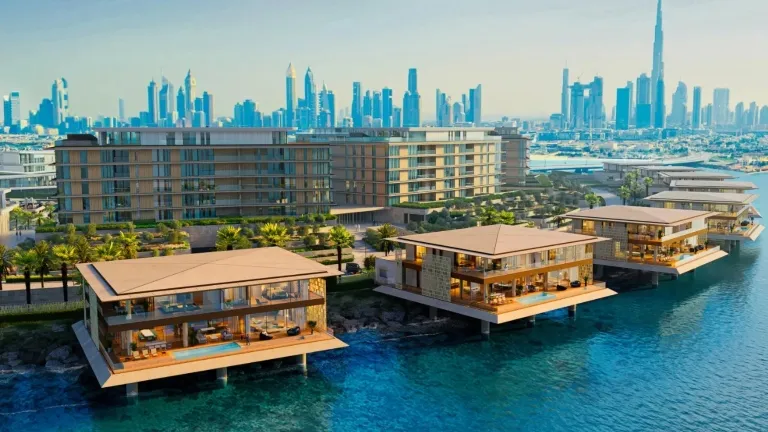
<p>According to <a href="https://www.knightfrank.com/research/article/2023-07-17-the-enduring-appeal-of-waterfront-living">Knight Frank’s 2023 Waterfront Index</a>, waterfront homes command an average 48% price premium compared to their non-waterfront counterparts.</p>
<p><strong>● Transit Connectivity Premium</strong></p>
<p>Proximity to established rail and metro infrastructure consistently correlates with stronger property values. Residential assets located near major transit nodes tend to achieve measurable price uplifts, reflecting enhanced accessibility, reduced commute times and sustained demand from both end users and tenants.</p>
<p><strong>● School Quality</strong></p>
<p>Communities with established schools usually command higher premiums in comparison to neighbourhoods without schools.</p>
<h3><strong>2. Community Planning and Amenities </strong></h3>
<p>Green landscapes and thoughtful urban planning in <a href="https://meraas.com/en/latest-post/guide/what-consider-choosing-community-dubai">well-designed communities</a> are a strong point for investors.</p>
<p><strong>● Parks and Green Landscape </strong></p>
<p>A review by the <a href="https://www.nrpa.org/publications-research/parks-recreation-magazine/">NRPA </a>suggests an 8–10% price premium for properties that directly front or abut passive urban parks.</p>
<p><strong>● Green Interventions</strong></p>
<p>Meta-analyses of targeted green interventions (like pocket parks or new urban greenery) report local property value increases ranging up to ~20% compared to unaffected properties.</p>
<p><strong>● Proximity to Nature</strong></p>
<p>Hedonic pricing models demonstrate that a 1% reduction in distance to a forest or major green area correlates with an approximate 6.5% increase in house prices.</p>
<p><strong>3. Developer Reputation and Build Quality</strong></p>
<p>The developer behind the project plays a decisive role in long-term performance. Established developers create a trust premium through consistent delivery, enduring design standards and well-maintained communities. Assets delivered by reputable names typically demonstrate greater resilience during market corrections and stronger appreciation during growth cycles.</p>
<p><strong>4. Infrastructure and Government Investment</strong></p>
<p>Public investment acts as a signal of future growth. According to the World Bank Infrastructure Capitalisation Review, large-scale transport and public-realm developments have a measurable positive impact on surrounding land values. New highways, airports and cultural districts often precede accelerated appreciation in adjacent areas.</p>
<p><strong>5. Lifestyle Appeal and Future Usage</strong></p>
<p>Demand increasingly favours destinations that integrate residential, retail and leisure within a single master planned environment. This includes access to walkable retail, dining, beaches, and leisure hubs. We discussed this in detail in our article “<a href="https://meraas.com/en/latest-post/journal/why-lifestyle-driven-communities-are-shaping-future-real-estate">Why Lifestyle-Driven Communities Are Shaping the Future of Real Estate</a>”.</p>
<h2>How to Identify Properties with High Appreciation Potential</h2>
<p>Before committing to an investment, experienced buyers typically assess the following. .</p>
<ul>
<li>Review the developer’s delivery history and the long-term condition of existing communities,</li>
<li>Analyse planned and approved infrastructure in the surrounding area.</li>
<li>Examine the masterplan for walkability, landscaping and retail integration.</li>
<li>Assess the quality and rarity of lifestyle amenities, such as private beaches or marinas.</li>
<li>Consider projected rental demand, as sustained occupancy often aligns with capital growth.</li>
</ul>
<p>Capital appreciation is shaped by informed investment decisions and the quality of development behind the asset. This alignment explains why established investors often favour <a href="https://meraas.com/en/latest-post/blog/investing-meraas-communities-everything-you-need-know-about-taxes">lifestyle-led developers</a> with a proven record of delivering prime locations, cohesive communities and enduring design quality.</p>
<p>When location, infrastructure and placemaking are carefully orchestrated, value growth follows organically. For investors, this translates into long-term confidence underpinned by fundamentals rather than short-term market cycles.</p>
<p>Explore investment opportunities shaped by Meraas’ commitment to design-led, lifestyle-focused destinations.</p>
<h2>Frequently Asked Questions</h2>
<h3><strong>1.Is capital appreciation guaranteed in real estate?</strong></h3>
<p>No, capital appreciation is never guaranteed. Markets can fluctuate due to economic downturns, interest rate changes, or local oversupply. However, buying high-quality assets in prime locations from r<a href="https://meraas.com/en/about-us">eputable developers</a> mitigates risk and increases the likelihood of long-term growth.</p>
<h3><strong>2.How does capital appreciation differ from rental yield?</strong></h3>
<p>Rental yield reflects recurring income generated by a property, while capital appreciation represents growth in the asset’s market value over time.</p>
<h3><strong>3.How long should I hold a property to see significant appreciation?</strong></h3>
<p>Meaningful appreciation usually materialises over a five- to ten-year horizon, allowing infrastructure, demand patterns and community maturity to develop.</p>
Back to MediaOther Media
Explore more articles from Meraas


Buying Off-Plan Property in Dubai: How Luxury Buyers Should Assess Build Specifications