Project Search
No Results Found
Search Results - Blog
Search Results - FAQs
No Results Found
No Result Found
The Journal - 9th July 2026
The Role of Architecture in Creating Iconic Residential Addresses in Dubai
<img loading="lazy" src="/sites/default/files/2026-07/768x432_6.jpg" width="768" height="432" alt="The Role of Architecture in Creating Iconic Residential Addresses in Dubai " />
<p>Architecture has become one of the defining elements of luxury living in Dubai, shaping both the visual character of a home and the quality of life it enables every day. As the city evolves into a global hub for design-led living, buyers are placing greater emphasis on thoughtful layouts, refined materials, seamless indoor-outdoor connections and a sense of privacy that enhances long-term comfort. In this context, architecture is no longer just about aesthetics; it is about creating spaces that feel timeless, functional, and deeply connected to the lifestyle they support. </p>
<h2>The Importance of Architecture in a Competitive Luxury Market </h2>
<p>Dubai’s residential market is large, liquid, and selective. In 2025, Dubai recorded over <a href="https://dubailand.gov.ae/en/news-media/dubai-s-real-estate-sector-records-aed761-billion-in-transactions-in-2024#/"><u>166,000 real estate transactions</u></a> valued at more than AED634 billion, marking one of the strongest annual performances in the city’s history. Within that depth of activity, architecture helps distinguish well-considered residential addresses from ordinary supply. </p>
<p>For high-net-worth buyers, architectural quality acts as a filter. A well-composed façade, shaded pedestrian realm, generous glazing, natural materials and considered floor plans communicate permanence. These qualities reduce reliance on promotional appeal because the asset itself carries visual credibility. Over time, that credibility can support stronger emotional attachment, lower substitutability, and more resilient demand within Dubai’s luxury property market. </p>
<h2>How Form, Materials, and Proportion Create Address Value </h2>
<p>Iconic residential addresses depend on balance; form gives a community its silhouette, materials create tactile memory, and proportion shapes how residents experience privacy, light and movement. Together, these architectural elements influence how a home is perceived, lived in and valued over time. </p>
<h3>Design Discipline and Long-Term Value </h3>
<p>A residence with refined massing, controlled density, and a clear relationship between indoor and outdoor space can feel more liveable than a larger home without architectural discipline. This is where long-term value begins: buyers often look for homes that age well, photograph well, function well, and remain distinctive across <a href="https://meraas.com/en/latest-post/blog/dubai-residential-property-market-analysis-and-property-price-trends-2025"><u>market cycles</u></a>. In premium residential communities, disciplined resale confidence by ensuring that the property retains its relevance as buyer expectations evolve. </p>
<h3>Architecture as a Driver of Operational Value </h3>
<p>Architecture also influences operational value. Shaded walkways, usable terraces, efficient layouts, landscaped courtyards, and well-positioned amenities can increase daily use. In investment terms, design quality supports both <a href="https://meraas.com/en/latest-post/journal/dubais-shift-end-user-demand-redefining-value-developers-and-investors"><u>end-user demand</u></a> and rental desirability by turning a property from a unit into a recognisable address. For investors, this distinction matters because homes with a clearer architectural identity are often easier to position within a competitive rental and resale landscape. </p>
<h3>The Relationship Between Architecture and Buyer Psychology </h3>
<p>Luxury buyers often make decisions through a combination of logic and instinct. Market data, location, and payment structures matter, but architecture shapes the first emotional judgement: whether a place feels rare, calm, private, and worth returning to. </p>
<h3>Architecture as a Signal of Global Appeal and Liveability </h3>
<p>This is particularly important for international buyers comparing Dubai with other global cities. Architecture can signal cultural confidence, climate awareness, and long-term planning discipline. A home that frames views carefully, softens heat through shade, uses landscape as part of the arrival sequence, and creates a sense of privacy can feel more valuable because it responds to both status and wellbeing. For globally mobile buyers, these details help position Dubai homes as lifestyle-led assets within an international portfolio. </p>
<h3>Scarcity and the Power of Distinctive Design </h3>
<p>Buyer psychology also favours scarcity. Distinctive architectural identities are harder to replicate than generic specifications. When a community has a recognisable design language, its homes become easier to remember, easier to position, and harder to replace. This sense of design-led scarcity can strengthen perceived address value, particularly in neighbourhoods where architectural coherence is supported by landscaping, movement, arrival experience and public realm quality. </p>
<h2>Architecture Across Meraas Communities </h2>
<p>Meraas communities show how architecture can create address value through different lifestyle settings, from urban districts to waterfront enclaves and green family neighbourhoods. Below are some of our top communities. Each community reflects a distinct design response to location, lifestyle and resident expectations, demonstrating how architecture can shape both identity and long-term desirability. </p>
<h3>City Walk </h3>
<p><a href="https://meraas.com/en/master-development/city-walk"><u>City Walk</u></a> demonstrates urban architecture as a lifestyle framework. The community blends residences, hospitality, dining and retail within a creative district designed around connectivity, contemporary convenience and recognisable public spaces. Its architecture supports walkability, social energy, and everyday access, helping the address function as a complete urban neighbourhood rather than only a residential location. </p>
<h3>City Walk Central Park </h3>
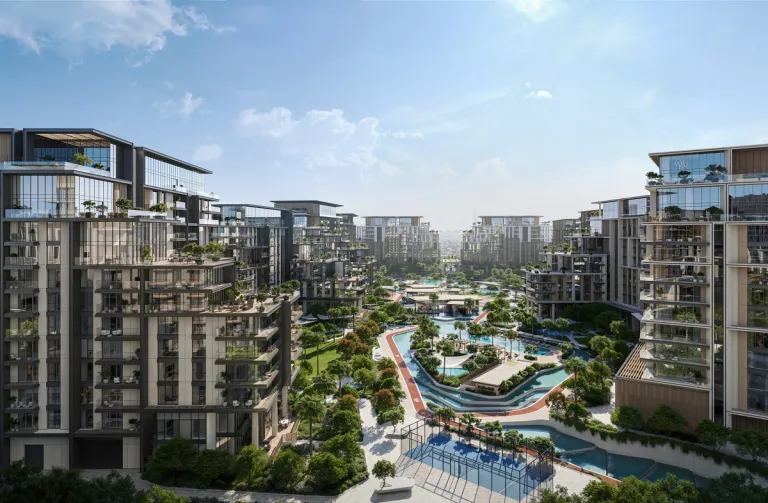
<p><a href="https://meraas.com/en/project/citywalk-central-park"><u>City Walk Central Park</u></a> adds another layer by placing sleek mid-rise buildings around expansive greenery. This balance between architecture and landscape gives the community a softer urban rhythm, where park views, outdoor activity, and residential privacy sit within the city. The result is a residential setting that combines the convenience of central Dubai with a calmer, landscape-led living experience. </p>
<h3>Nad Al Sheba Gardens </h3>
<p><a href="https://meraas.com/en/master-development/nad-al-sheba-gardens"><u>Nad Al Sheba Gardens</u></a> reflects a different architectural proposition: space, privacy and family-led living. Its gated setting is structured around walkable roads, cycling and running tracks, yoga lawns, outdoor theatre spaces and villas that connect sunlight, greenery and refined interiors. Distinct architectural designs, open-plan gardens and quality finishes create a neighbourhood identity shaped by calm rather than spectacle. For families and long-term residents, this design approach supports a more private, grounded and wellness-oriented way of living in Dubai. </p>
<h3>Bluewaters Residences </h3>
<p><a href="https://meraas.com/en/project/bluewaters-residences"><u>Bluewaters Residences</u></a> uses waterfront architecture to balance seafront tranquillity with destination energy. Light-filled apartments, contemporary finishes and a setting above dining, leisure and entertainment create a residential address where architecture frames both privacy and movement. Its island setting gives the community a distinct spatial identity, enabling residents to experience waterfront living within a well-connected lifestyle destination. </p>
<h2>Architecture as a Long-Term Value Signal </h2>
<p>In Dubai’s luxury residential market, architecture is a long-term value signal. It shapes how a community is recognised, how residents live, how buyers remember an address, and how well a property maintains relevance as the market becomes more sophisticated. For discerning buyers, the strength of an architectural language can therefor become a marker of quality, permanence and investment confidence. </p>
<p>For Meraas, architecture connects lifestyle, planning, and investment logic. It gives each community a distinct identity while supporting privacy, wellness, movement, and long-term desirability. <a href="https://meraas.com/en/project-listing"><u>Discover our communities</u></a>' unique architecture today. </p>
<h2>FAQs </h2>
<h3>1.Why is Architecture Important in Dubai’s Luxury Residential Market? </h3>
<p>Architecture helps distinguish premium homes in a competitive market. It influences visual identity, liveability, privacy, emotional appeal, and long-term buyer confidence. </p>
<h3>2.How Does Architecture Affect Property Value? </h3>
<p>Strong architecture can support value by improving functionality, creating a recognisable address, enhancing daily living, and reducing the risk of a property feeling generic over time. </p>
<h3>3.What Architectural Features Define a Truly Iconic Residential Address? </h3>
<p>An iconic residential address blends distinctive design, smart layouts, and quality materials to create a strong identity, while using natural light, open spaces, and modern technologies for comfort and long-term value. </p>
Back to Media