Project Search
No Results Found
Search Results - Blog
Search Results - FAQs
No Results Found
No Result Found
The Journal - 13th October 2026
Invisible Technology, Elevated Living: The New Smart-Home Standard for Luxury Homes in Dubai
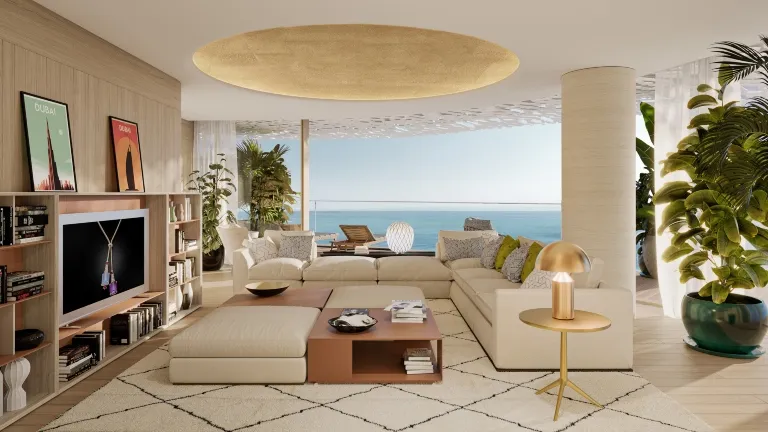
<img loading="lazy" src="/sites/default/files/2026-11/768x432_4.jpg" width="768" height="432" alt="Invisible Technology, Elevated Living: The New Smart-Home Standard for Luxury Homes in Dubai" />
<p>The most sophisticated technology in a luxury home in Dubai is often the least visible. Rather than drawing attention to individual devices, well-integrated smart-home systems orchestrate climate, lighting, shading, security, energy use and access discreetly in the background.</p>
<p>For owners who intend to retain a Dubai property over the long term, the quality of this infrastructure matters well beyond immediate convenience. Compatibility, upgradeability, cybersecurity and dependable technical support determine whether a connected home remains relevant as platforms, devices and ownership needs change.</p>
<h2>Which Smart-Home and Invisible Technologies Are Becoming Essential in Luxury Homes and Apartments in Dubai?</h2>
<p>The strongest smart-home specifications concentrate on systems that influence comfort, security and everyday operation rather than novelty.</p>
<ul type="disc">
<li><strong>Climate and Environmental Control:</strong> Zoned air-conditioning, intelligent thermostats, humidity and indoor-air-quality monitoring allow distinct conditions to be maintained across bedrooms and living spaces. Automated blinds or shading can work alongside climate control to limit solar heat gain and reduce cooling demand in Dubai’s climate. </li>
<li><strong>Lighting and Shading:</strong> Integrated lighting scenes coordinate ambient, task and architectural lighting according to time, occupancy or use. Motorised blinds and curtains become far more effective when linked with daylight, temperature and privacy settings rather than operated through a separate control system.</li>
<li><strong>Security and Access:</strong> Smart locks, video entry, access logs, alarm integration and temporary digital credentials can provide more precise control over residents, guests and authorised service personnel. </li>
<li><strong>Water and Property Protection:</strong> Leak detection, abnormal water-use alerts and automated shut-off capability can be particularly valuable in second homes that may remain unoccupied for weeks or months, identifying problems before they cause significant damage.</li>
<li><strong>Energy Monitoring:</strong> Connected meters and controls can highlight unusual consumption, coordinate major loads and help owners understand how cooling, lighting and other systems are performing. Their value increases when energy management is connected with the wider building-automation platform rather than presented through an isolated dashboard.</li>
</ul>
<h2>What Makes a Smart-Home Genuinely Integrated Rather Than a Collection of Expensive, Short-Lived Features?</h2>
<p>True integration depends on the infrastructure behind the interfaces. A collection of smart devices may offer separate apps for lighting, curtains, air conditioning and security while still functioning as separate ecosystems. A genuinely integrated installation allows those systems to share information and respond in concert. When a resident arrives home, for example, a single command canswitch on selected lights, adjust the temperature, reposition the blinds and update security settings.</p>
<p>A resilient system usually has several characteristics:</p>
<ul type="disc">
<li><strong>Unified Architecture:</strong> Core systems operate through one integrated platform instead of relying on multiple separate control hubs.</li>
<li><strong>Local Operation:</strong> Essential functions such as lighting, cooling and basic access remain operational if the internet connection or external cloud platform fails.</li>
<li><strong>Interoperability:</strong> Systems built around open or widely supported standards can communicate across different devices and platforms, reducing reliance on a single manufacturer. This simplifies future upgrades, component replacement and system expansion easier without replacing the entire installation.</li>
<li><strong>Scalability: </strong>Cabling, network equipment, control panels and electrical capacity should accommodate future devices, upgrades and system expansion.</li>
<li><strong>Documented Configuration:</strong> System drawings, programming files, device schedules and administrator credentials are retained and accessible for maintenance and future upgrades. </li>
</ul>
<p>The sophistication therefore sits in the architecture of the system, not in the number of touchscreens or connected appliances.</p>
<h2>How Can Buyers in Dubai Assess Smart-Home Compatibility, Future Upgrades, Firmware Support, Warranties and Long-Term Maintenance Requirements?</h2>
<p>Long-term ownership starts with understanding who controls the system and what happens when components reach the end of their service life.</p>
<ul type="disc">
<li><strong>Platform Compatibility:</strong> The underlying protocol, central controller and supported device manufacturers indicate whether replacement equipment can come from several suppliers or only from one proprietary ecosystem.</li>
<li><strong>Upgrade Path:</strong> Controllers, gateways, network hardware and software should be assessed separately from devices such as switches, thermostats and sensors. A modular installation can allow selected components to be replaced without rebuilding the entire system.</li>
<li><strong>Firmware and Software Support:</strong> Key consideration includes the manufacturer’s update policy, whether security updates are automatic or installer-managed, and how long the platform is expected to remain supported. </li>
<li><strong>System Ownership:</strong> Programming files, installer credentials, administrator accounts and system backups can become critical when the original integrator is unavailable. Ownership of these assets also matters when a residence is sold or transferred within a family.</li>
<li><strong>Warranty Structure:</strong> Hardware, installation work, software and connected appliances may carry different warranty periods. Clarity over labour charges, replacement parts and post-warranty call-outs makes future operating costs easier to anticipate.</li>
<li><strong>Maintenance Dependencies:</strong> Some systems require proprietary technicians, annual support agreements or cloud subscriptions. Others allow certified technicians from a wider supplier network to maintain or replace components.</li>
</ul>
<h2>What Cybersecurity, Data-Privacy and Access-Control Questions Should Buyers Ask Before Purchasing a Connected Luxury Home?</h2>
<p>A thorough assessment covers several areas:</p>
<ul type="disc">
<li><strong>Account Security:</strong> Administrator and household accounts should support strong authentication, individual user profiles and secure recovery procedures. This reduces the risk of unauthorised access if passwords are compromised or shared between users.</li>
<li><strong>Access Permissions:</strong> Family members, guests, household staff, maintenance teams and external technicians should be assigned different levels of access, preventing temporary or limited users from gaining unnecessary control over security, cameras, climate or other connected systems.</li>
<li><strong>Software Updates:</strong> Connected devices should continue to receive authenticated security updates for a defined support period. Without ongoing updates, vulnerabilities may remain unresolved as the system ages.</li>
<li><strong>Data Storage:</strong> Owners should know what data the system collects, whether it is stored on devices within the property or on external cloud servers, who can access it and when it is deleted. Camera footage, door-entry logs and occupancy records can reveal when the home is occupied or vacant, which makes secure storage and restricted access particularly important.</li>
<li><strong>Remote Access:</strong> Connections that allow owners, installers or technicians to access the system from outside the property should use secure authentication and be removable when no longer needed. Otherwise, old or unnecessary remote-access permissions may remain active and create additional security risks.</li>
<li><strong>Remote Access: </strong>Connections that allow owners, installers or technicians to access the system from outside the property should use secure authentication and be removable when no longer needed. The same control should apply when ownership changes, so previous accounts and permissions can be fully revoked and control of the connected systems passes to the new owner.</li>
</ul>
<h2>Which Remote-Management Features Are Most Useful for International Buyers and Owners Who Leave a Dubai Property Vacant for Extended Periods?</h2>
<p>The quality of the remote-management system is ultimately determined by the reliability of its alerts and controls. A sophisticated interface has limited value if a disconnected sensor, failed gateway or expired cloud subscription can leave the property appearing secure while important functions are offline.</p>
<ul type="disc">
<li><strong>Climate Monitoring:</strong> Owners can monitor temperature and humidity and maintain suitable conditions while the property is unoccupied. Alerts for abnormal readings may also reveal an air-conditioning fault before it causes prolonged discomfort or moisture-related problems.</li>
<li><strong>Water and Leak Alerts:</strong> Leak sensors and remote shut-off capability can limit the consequences of a plumbing failure that might otherwise remain undetected.</li>
<li><strong>Power and Equipment Status:</strong> Notifications relating to loss of power, network failure or equipment faults provide early warning that essential systems require attention.</li>
<li><strong>Security Monitoring:</strong> Remote access to alarms, cameras, door status and entry records can provide visibility without requiring permanent occupation.</li>
<li><strong>Controlled Third-Party Access:</strong> Time-limited digital credentials can allow authorised staff, cleaners or maintenance teams to enter without circulating permanent keys or full-system access.</li>
<li><strong>Pre-Arrival Settings:</strong> Cooling, lighting and selected systems can be returned to occupied settings shortly before an owner's arrival rather than running at full intensity throughout the vacancy period.</li>
</ul>
<h2>The New Standard for Connected Luxury Living in Dubai</h2>
<p>The next standard for luxury-home technology in Dubai is not defined by how many devices a residence contains, but by how seamlessly those systems work together and how well they remain supported over time. Integration, cybersecurity, remote management, upgradeability and reliable maintenance determine whether technology continues to enhance the home long after the initial handover.</p>
<p>Meraas reflects this approach by incorporating connected technology into the wider residential experience, where climate control, energy management, security and day-to-day convenience operate as part of the home rather than as standalone features. The result is technology that supports modern luxury while remaining discreet, functional and relevant over the long term.</p>
<p>Explore Meraas <a href="https://meraas.com/en/project-listing">luxury homes in Dubai</a> to discover residences shaped around contemporary design, connected living and long-term quality.</p>
<h2>FAQs</h2>
<h3>1.Can smart-home technology increase the long-term value of a luxury home?</h3>
<p>Potentially, but not on its own. Technology is more likely to support long-term value when it improves comfort, security, energy management and ease of ownership, while remaining reliable, upgradeable and well supported over time.</p>
<h3>2.Do smart-home systems require ongoing subscription fees?</h3>
<p>Some do. Cloud storage, remote monitoring, security services or advanced app features may involve recurring charges, while other functions can operate without a subscription. These costs depend on the system and service provider.</p>
<h3>3.What happens if a smart-home provider stops supporting a system?</h3>
<p>The system may lose updates, cloud services or compatibility with newer devices. Open or widely supported platforms, accessible replacement components and transferable system documentation can reduce that risk.</p>
Back to MediaOther Media
Explore more articles from Meraas
Ocean Mansion or Penthouse: Which Jumeirah Asora Bay Home Offers the Right Kind of Privacy?