Project Search
No Results Found
Search Results - Blog
Search Results - FAQs
No Results Found
No Result Found
The Journal - 28th September 2026
Climate-Responsive Shading in Dubai Luxury Homes: Why It Matters
<img loading="lazy" src="/sites/default/files/2026-10/768x432_10.jpg" width="768" height="432" alt="Climate-Responsive Shading in Dubai Luxury Homes: Why It Matters" />
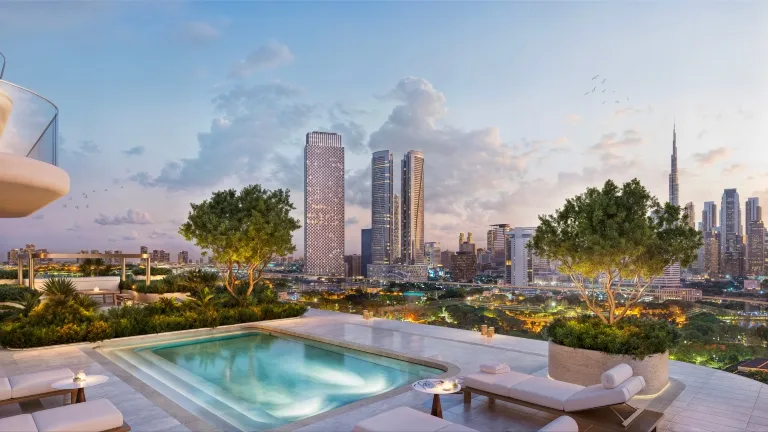
<p>In Dubai’s hot, humid climate, a glass façade or expansive balcony performs successfully only when the architecture manages solar exposure as carefully as it frames the view. Climate-responsive shading limits unwanted heat and glare before they reach interior spaces, helping luxury residences maintain thermal comfort while preserving natural daylight, open views and architectural character.</p>
<p>The implications for energy performance are significant. The<a href="https://www.dewa.gov.ae/en/about-us/media-publications/latest-news/2022/10/emirates-central-coolin"> Dubai Electricity and Water Authority</a> has stated that traditional air conditioning can account for approximately 70% of total electricity consumption, highlighting why lower cooling demand begins with a high-performing building envelope rather than the mechanical system alone.</p>
<h2>Why Is Climate-Responsive Shading Important for Comfort and Energy Efficiency in Dubai Luxury Homes?</h2>
<p>External shading controls <a href="https://meraas.com/en/latest-post/journal/what-buyers-should-look-sustainability-focused-residential-community">solar gain</a> before it passes through the glazing. Overhangs, fins, recessed openings and screens can therefore reduce the heat that air-conditioning systems must remove, supporting more comfortable and energy-efficient luxury homes.</p>
<p>This passive-design principle aligns with Dubai’s wider framework for building performance. Under<a href="https://www.dm.gov.ae/municipality-business/al-safat-dubai-green-building-system/"> Al Sa’fat – Dubai Green Building System</a>, Silver Sa’fa requirements are mandatory for all new buildings, while higher-performing developments can pursue Golden or Platinum classifications. The system is designed to strengthen building performance, energy efficiency and carbon outcomes.</p>
<p>By moderating direct solar exposure, well-designed shading can reduce radiant heat near windows, control glare and make rooms beside expansive façades more comfortable throughout the day.</p>
<h2>How Do Overhangs, Recessed Balconies, Screens and Façade Orientation Reduce Heat and Glare While Preserving Daylight and Views?</h2>
<p>Effective façade shading responds to solar orientation instead of applying an identical treatment to every elevation.</p>
<p>Horizontal overhangs can intercept high-angle sunlight, while deeper balconies create self-shading around glazed openings. Screens and vertical fins are particularly effective where low-angle morning or afternoon sun is more challenging to control.</p>
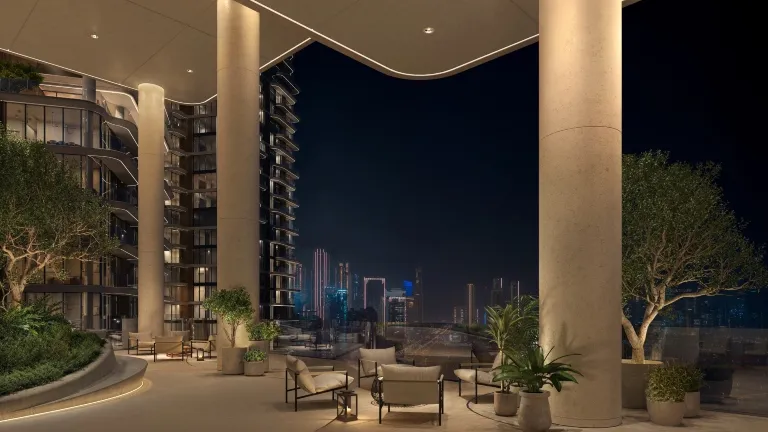
<p>Recessed glazing provides an additional layer of passive solar protection, as surrounding walls and slabs create shade without fully screening the outlook. This can produce a more balanced interior in which daylight and views are retained while direct exposure is reduced during the most demanding periods.</p>
<h2>Which Shading and Glazing Combinations Perform Well in Dubai’s Sun, Heat, Dust and Coastal Conditions?</h2>
<p>Shading delivers the strongest performance when it is paired with well-specified glazing, rather than used to offset glass with poor thermal properties.</p>
<p>Insulated double glazing with solar-control low-emissivity coatings can reduce heat transfer while maintaining useful levels of visible light. The<a href="https://www.energy.gov/energysaver/window-types-and-technologies?"> US Department of Energy</a> reports that low-e windows can reduce energy loss by approximately 30% to 50% compared with conventional glazing. Spectrally selective coatings can also filter 40% to 70% of the heat typically transmitted through insulated glazing while retaining substantial daylight.</p>
<h3>Balancing Solar Control With Daylight</h3>
<p>In Dubai’s cooling-dominated climate, the Solar Heat Gain Coefficient, or SHGC, is particularly important. A lower SHGC indicates that less solar heat passes through a window, although visible light transmission must also be assessed to prevent heat control from creating unnecessarily dark interiors.<a href="https://www.energy.gov/cmei/femp/purchasing-energy-efficient-residential-windows-doors-and-skylights?"> US Department of Energy fenestration guidance</a> identifies low-SHGC glazing as suitable for hot climates and emphasises the need to evaluate thermal performance, daylight, glare and durability together.</p>
<h3>Designing for Dust, UV Exposure and Coastal Air</h3>
<p>Dubai’s climate introduces further design considerations: exposed screens, frames, fixings and coatings must withstand dust, ultraviolet exposure and, in coastal locations, saline air. Durable finishes, corrosion-resistant components and details that remain accessible for cleaning can therefore influence both lifecycle performance and the façade’s enduring refinement.</p>
<h2>What Should Buyers Examine When Assessing Balcony Comfort, Privacy and Solar Protection in a New Residence?</h2>
<p>A balcony should be evaluated as an outdoor living space, rather than simply as additional floor area.</p>
<p>Buyers should consider its depth, orientation, overhead protection and exposure to low-angle sunlight. A deep, recessed balcony may remain more comfortable and usable during bright periods than an exposed platform of a similar size. Side screens can add solar protection while enhancing privacy between neighbouring residences.</p>
<p>The relationship between the balcony and interior is equally important. Shading should protect the glazing without unnecessarily restricting key sightlines or making adjoining rooms reliant on artificial lighting. A well-designed transition between indoor and outdoor space can therefore shape everyday usability as significantly as the balcony’s dimensions.</p>
<h2>How Do Shading Materials Differ in Durability, Maintenance Requirements and Their Effect on a Building’s Premium Appearance?</h2>
<p>The strongest material is not necessarily the most suitable. Long-term performance depends on climatic exposure, structural detailing, finish quality and access for maintenance.</p>
<p>Metal screens and fins can create precise architectural profiles and withstand repeated exposure when appropriate protective finishes and fixings are specified. Architectural concrete can provide substantial permanent shade through slabs, frames and recessed façades, although careful detailing is essential to manage staining and ageing. Decorative façade materials can add texture and warmth but require specifications suited to Dubai’s ultraviolet exposure, dust and humidity.</p>
<h3>Material Ageing</h3>
<p>Material ageing also influences asset perception. A façade that relies on complex external elements but allows difficult cleaning, visible corrosion or inconsistent weathering can lose visual quality faster than a simpler envelope designed around durable components. For a premium residence, lifecycle appearance is therefore integral to long-term value: <a href="https://meraas.com/en/latest-post/journal/how-architecture-influences-buyer-emotion-dubais-luxury-real-estate-market">architectural distinction</a> should remain convincing after years of climatic exposure, rather than only at completion.</p>
<h2>Climate-Responsive Shading at Meraas</h2>
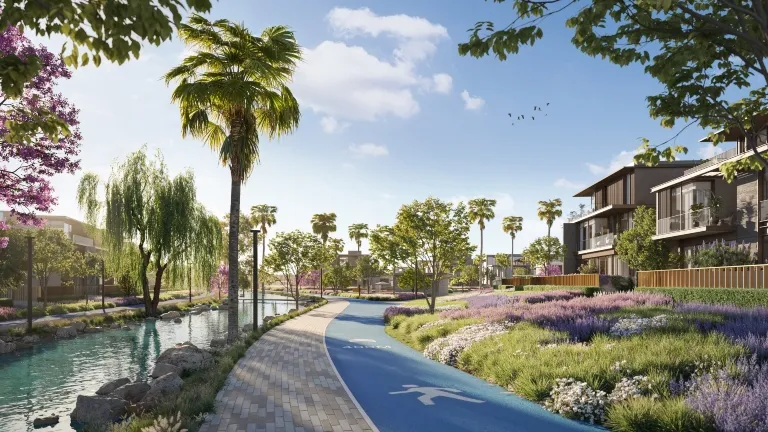
<p>Meraas integrates climate-responsive design at the wider urban scale. The<a href="https://meraas.com/en/latest-post/news/meraas-unveils-dubai-design-district-residential-masterplan-0?"> Dubai Design District residential masterplan</a> spans 18 million sq ft, targets LEED Silver community certification and incorporates a fully shaded, pedestrian-first Design Line alongside energy-efficient building design. This approach shows how environmental responsiveness can shape the identity and everyday experience of a neighbourhood instead of remaining an isolated technical measure.</p>
<p>Climate-responsive architecture connects residential comfort, environmental performance and enduring design quality. When shading, glazing, orientation and materials work as an integrated system, luxury homes can preserve openness, daylight and views while responding intelligently to Dubai’s climate.</p>
<h2>FAQs</h2>
<h3>1.Does More Shading Always Make a Dubai Residence More Energy Efficient?</h3>
<p>Not necessarily. Effective shading responds to façade orientation, glazing area, sun angles and daylight requirements. Excessive shading can reduce useful natural light, while insufficient protection can increase solar gain and glare. The strongest solution balances both.</p>
<h3>2.What is SHGC and Why Does It Matter When Assessing Luxury Homes?</h3>
<p>Solar Heat Gain Coefficient measures the proportion of solar radiation entering through glazing. A lower SHGC generally reduces unwanted solar heat gain, which is particularly relevant in cooling-dominated climates. Buyers should consider SHGC alongside visible light transmission, U-value and external shading rather than viewing any single measure in isolation.</p>
<h3>3.Can Climate-Responsive Design Contribute to Long-Term Property Value?</h3>
<p>It can support the characteristics associated with durable residential quality. Better solar control can improve thermal comfort, outdoor-space usability and building efficiency, while durable façade detailing can help preserve architectural appearance. These qualities can strengthen a residence’s practical appeal over a longer ownership period.</p>
Back to Media