Project Search
No Results Found
Search Results - Blog
Search Results - FAQs
No Results Found
No Result Found
The Journal - 1st October 2026
The Future of Luxury Living in Dubai: What Premium Buyers Will Expect Next
<img loading="lazy" src="/sites/default/files/2026-11/768.jpg" width="768" height="432" alt="The Future of Luxury Living in Dubai: What Premium Buyers Will Expect Next " />
<p>Dubai’s luxury property market remained active in H1 2026. <a href="https://www.knightfrank.ae/newsroom/article/2026/7/dubai-us$-10m-residential-sales-analysis-q2-2026"><u>Knight Frank</u></a> recorded 296 residential sales above US$10 million, including 165 transactions in Q1 and 131 in Q2, with 26 deals above US$25 million. The total value of US$10 million-plus residential sales reached US$5.1 billion, up 14% compared with H1 2025, while the number of deals rose 16% year-on-year. Knight Frank also noted greater resilience across prime neighbourhoods, although it reported signs of prices starting to weaken amid ongoing uncertainty. </p>
<p>For buyers searching for luxury property in Dubai, this activity offers useful context for comparison and shows that Dubai continues to attract high-value residential demand, while signs of price softening reinforce the need to look beyond headline prestige. A future-ready luxury home should be assessed by how well it protects long-term appeal through privacy, build quality, service standards, maintenance efficiency and everyday liveability. </p>
<p>What Features Will International Premium Buyers Expect from Future-Ready Luxury Homes in Dubai Over the Next Five Years? </p>
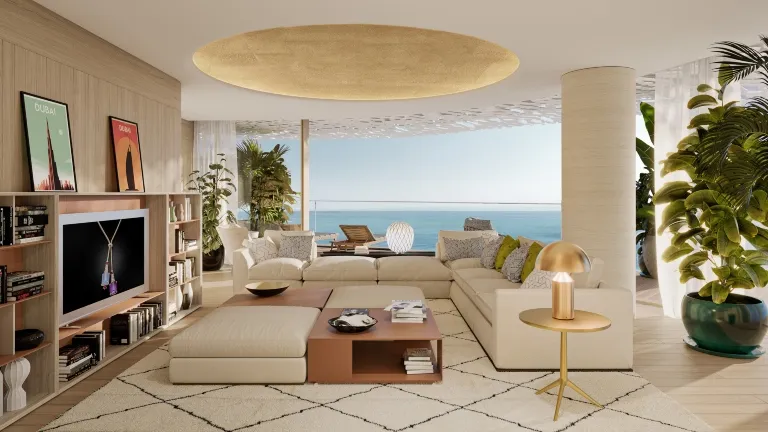
<p>International premium buyers will expect future-ready luxury homes in Dubai to combine privacy, wellness, energy-efficient building performance, smart-home technology and service-led convenience. </p>
<p>Wellness is becoming a stronger residential expectation. In Knight Frank’s article “<a href="https://www.knightfrank.com/research/article/2026/9/residence-report-2026-wellness-branded-residences"><u>Wellness, rebuilt: how branded residences are laying the foundations for longer, healthier lives</u></a>,” wellness is described as shifting from an amenity into infrastructure in <a href="https://meraas.com/en/latest-post/journal/branded-residences-lifestyle-districts-how-global-luxury-trends-are-changing"><u>branded residences</u></a>. For Dubai buyers, this supports features such as quieter bedrooms, better acoustic separation, fitness and recovery spaces, filtered air, natural light and shaded outdoor areas. </p>
<p>Future-ready homes also need stronger building performance. Buyers should assess glazing, shading, ventilation, cooling efficiency, insulation and durable materials, especially in Dubai’s climate. Outdoor space only adds real value when it is private, shaded and usable across more of the year. </p>
<p>Technology should be integrated, reliable and upgradeable. Smart lighting, climate control, access systems, security, EV charging readiness and high-speed connectivity can support convenience, but only if they remain easy to maintain. </p>
<p>The wider community also matters. The <a href="https://meraas.com/en/latest-post/blog/how-dubai-2040-urban-master-plan-transforming-real-estate-landscape"><u>Dubai 2040 Urban Master Plan</u></a> focuses on quality of life, green and leisure areas, sustainable mobility and healthier urban communities. For premium buyers, this means assessing shaded routes, amenity placement, service access, parking, concierge support, community management and how well the home is separated from busier public or shared areas. </p>
<h2>Why Are Privacy, Wellness, Integrated Technology and Service-Led Living Becoming Essential Expectations in Dubai’s Luxury Property Market? </h2>
<p>Privacy, wellness, integrated technology and service-led living are becoming essential expectations in Dubai’s luxury property market because premium buyers expect homes to work well in daily life, not just look impressive at launch. </p>
<p>Privacy is critical for buyers using Dubai homes as primary residences, second homes or family bases. A property can lose appeal if balconies overlook neighbouring units, lifts open into busy corridors, parking routes feel exposed or amenities create noise near quieter homes. Strong privacy depends on setbacks, orientation, landscaping, controlled access and the separation of resident, visitor and service routes. </p>
<p>Wellness is also becoming more practical. Buyers are assessing whether a home supports healthier routines through walkable streets, shaded routes, park access, calm interiors, fitness spaces, pools and areas for work, children and relaxation. These features add value when residents can use them comfortably across weekdays, weekends and warmer months. </p>
<p>Integrated technology matters when it makes the home easier to live in. Lighting, cooling, security, access and entertainment systems should work together without becoming difficult to operate or maintain. Service-led living follows the same logic: concierge support, maintenance coordination, valet access, housekeeping options and parcel management can protect time, but only when service quality is consistent and charges remain proportionate. </p>
<h2>How Do Build Quality, Sustainability Credentials, Technology Upgradeability and Community Management Affect a Luxury Property’s Long-Term Value? </h2>
<p>Long-term value depends on how well the home and community continue to perform after handover. Build quality affects maintenance costs, resident satisfaction and resale confidence. Poor acoustic separation, weak cooling performance, water ingress, fading external finishes or inefficient layouts can reduce the appeal of even a prime address. </p>
<p>Sustainability credentials also need to be practical. Premium buyers should assess whether design choices help reduce heat gain, improve water efficiency, support durable landscaping and lower unnecessary energy use. In Dubai, sustainability should not be treated as a branding layer; it should be visible in orientation, shading, insulation, glazing, cooling performance, materials and maintenance planning. </p>
<p>Technology upgradeability can protect long-term relevance. Smart-home systems, access control, EV charging provisions and connectivity infrastructure should be easy to maintain and update. A luxury home that depends on closed or outdated systems may feel advanced at launch but become inconvenient later. </p>
<p>Community management is equally important. Landscaping, security, cleaning, amenity booking, maintenance response times, parking control and service-charge discipline all shape resident experience and resale value. In a premium community, the quality of management often becomes visible before the design itself, because it affects how the development looks, operates and feels every day. </p>
<h2>Which Concierge Services and Lifestyle Amenities Add Meaningful Resident and Resale Value Without Creating Excessive Service Charges? </h2>
<p>Concierge and amenity value should be judged by frequency of use, service quality and cost discipline. A long amenity list can look impressive in marketing, but not every feature improves daily life or resale value. The most useful services are usually those that solve regular needs: reception support, visitor management, parcel handling, maintenance coordination, valet or secure parking support, booking assistance and reliable security. </p>
<p>Lifestyle amenities add more value when they support daily routines rather than occasional novelty. Pools, gyms, shaded outdoor lounges, children’s spaces, wellness rooms, co-working areas, resident lounges, landscaped routes and pet-friendly spaces can strengthen the resident experience when they are well placed and properly maintained. The key issue is balance. Amenities should be generous enough to support a premium lifestyle, but not so excessive that residents pay high service charges for facilities they rarely use. </p>
<p>Buyers should also look at how amenities are positioned. A pool deck, gym or dining lounge may add value, but its placement can affect privacy, noise and circulation. The best communities separate active and quiet zones, manage visitor movement and keep service operations discreet. This protects both liveability and long-term market appeal. </p>
<h2>Which Meraas Communities Best Reflect Evolving Expectations for Design-Led, Service-Led and Future-Ready Luxury Living in Dubai? </h2>
<p>Meraas communities reflect these expectations in different ways, so the best Meraas community for luxury living in Dubai depends on whether the buyer prioritises central convenience, waterfront energy, coastal calm or privacy-led exclusivity. </p>
<p>City Walk offers a central Dubai setting with walkable access to retail, dining and leisure. For buyers who want the same urban access with more emphasis on green space, Central Park at City Walk brings homes closer to park-style surroundings and a calmer residential environment. </p>
<p>Bluewaters suits buyers who want waterfront living with stronger destination activity. The island includes dining, shopping, leisure and entertainment, while Bluewaters Residences gives buyers a residential base within the wider island setting. </p>
<p>Port de La Mer reflects a quieter version of coastal luxury in Jumeirah, with Mediterranean-inspired residences, open interiors, balconies and views towards the Arabian Gulf. Its appeal is strongest for buyers who want waterfront character, outdoor living and a more relaxed residential setting within Dubai. </p>
<p>Jumeira Bay reflects a more private and exclusive form of luxury living. With gardens, private beaches and quiet boulevards leading to ultra-exclusive homes, it is suited to buyers who value privacy, waterfront positioning and long-term address appeal. </p>
<p>Together, these Meraas communities show how future-ready luxury living in Dubai is becoming less about one standard model and more about matching design quality, lifestyle access, privacy, outdoor comfort and day-to-day convenience to the way residents want to live. </p>
<h2>FAQs </h2>
<h3>1.What makes a luxury home future-ready? </h3>
<p>A future-ready luxury home combines privacy, durable build quality, efficient cooling, integrated technology, practical wellness features and services that are easy to manage over time. </p>
<h3>2.Why does privacy matter in Dubai luxury homes? </h3>
<p>Privacy affects daily comfort, especially in homes used as primary residences, second homes or family bases. Buyers should consider balcony exposure, lift access, visitor movement and the separation of private and shared areas. </p>
<h3>3.How can buyers assess service-led luxury? </h3>
<p>Buyers should look at whether concierge support, maintenance coordination, security, parking and amenity management make daily life easier without adding unnecessary service costs</p>
Back to MediaOther Media
Explore more articles from Meraas
Ocean Mansion or Penthouse: Which Jumeirah Asora Bay Home Offers the Right Kind of Privacy?
Invisible Technology, Elevated Living: The New Smart-Home Standard for Luxury Homes in Dubai