Project Search
No Results Found
Search Results - Blog
Search Results - FAQs
No Results Found
No Result Found
News - 6th January 2026
Meraas unveils Dubai Design District residential masterplan
<img loading="lazy" src="/sites/default/files/2026-05/D3-Masterplan%201920x1080.jpg" width="1920" height="1080" alt="Meraas unveils Dubai Design District residential masterplan" />
<p>Expanded development introduces waterfront housing, walkable infrastructure and mixed-use neighbourhoods in central Dubai.</p>
<p>Dubai Design District, one of the region’s most established creative and commercial hubs, is set to expand into a fully integrated residential neighbourhood following the announcement of an expanded masterplan by Meraas.</p>
<p> </p>
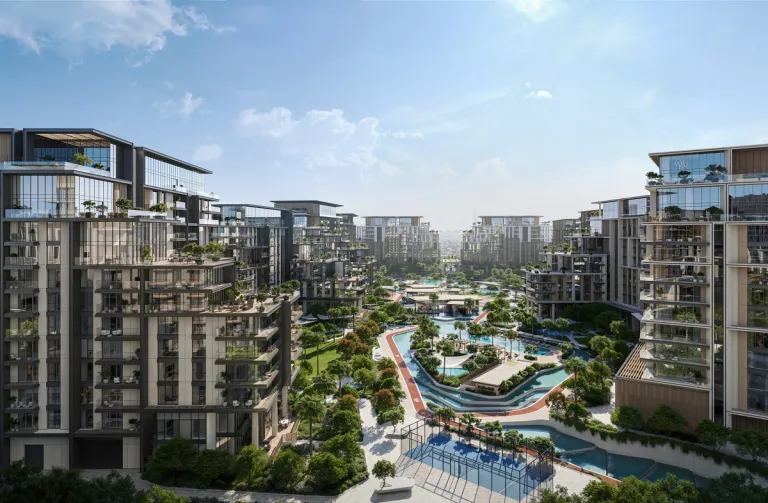
<p>The 18 million square foot mixed-use development is located between Downtown Dubai and Dubai Creek and introduces new residential neighbourhoods alongside canal-front living, cultural venues, public green spaces and pedestrian-first streets. The masterplan is designed to support long-term residency, walkability and a live-work environment within an existing creative district. </p>
<p></p>
<p>The announcement comes as Dubai continues to attract increased local and international interest in residential property, driven by economic growth, population inflows and infrastructure investment aligned with the <a href="https://u.ae/en/about-the-uae/strategies-initiatives-and-awards/strategies-plans-and-visions/finance-and-economy/dubai-economic-agenda-d33">Dubai Economic Agenda D33.</a></p>
<p></p>
<p>Recent residential launches within Dubai Design District indicate growing demand for housing in the area. These include Atelis, a 280-unit waterfront residential tower developed by Meraas, which sold out following its launch, and The Edit, a three-tower residential development offering 557 design-led homes. </p>
<p> </p>
<p>The expanded masterplan introduces a series of distinct zones intended to support residential life alongside existing commercial and cultural uses. These include canal-front residences and boutique hospitality along the waterfront promenade, an urban core combining residential units with retail and dining, a cultural district centred on performance venues overlooking the d3 Bowl, wellness-focused residential areas incorporating parks and sports facilities, and creative zones comprising galleries, studios and loft-style spaces.</p>
<p> </p>
<p>A key component of the masterplan is the Design Line, a fully shaded, pedestrian-first spine that connects the district end-to-end. The Design Line integrates public art, landscaped green corridors and community spaces to support walkability and reduce reliance on vehicle movement within the district. </p>
<p></p>
<p>The development is targeting LEED Silver community certification, with sustainability measures including energy-efficient building design, sustainable mobility infrastructure, enhanced connectivity and integration with surrounding natural assets. Visual and spatial links to Dubai Creek and the Ras Al Khor Wildlife Sanctuary form part of the wider planning approach. </p>
<p></p>
<p>With residential development now integrated into Dubai Design District’s existing commercial and cultural ecosystem, the masterplan positions the area as a long-term residential and investment destination within one of the city’s most central locations.</p>
<p> </p>
<p><strong>Source: </strong><a href="https://plus.reuters.com/meraas-unveils-dubai-design-district-residential-masterplan">Reuters Plus</a></p>
Back to Media