Project Search
No Results Found
Search Results - Blog
Search Results - FAQs
No Results Found
No Result Found
The Journal - 10th August 2026
Why Culture, Dining and Retail Are Becoming Part of the Residential Decision
<img loading="lazy" src="/sites/default/files/2026-09/768x432.jpg" width="768" height="432" alt="Why Culture, Dining and Retail Are Becoming Part of the Residential Decision" />
<p>For premium homebuyers in Dubai, the residential decision is no longer shaped by the home alone. A well-designed apartment, townhouse or villa still matters, but buyers increasingly assess the complete lifestyle ecosystem that comes with it. They compare how easily a community supports weekday routines, family time, business networking, wellness-led living, dining, wellness, retail access and weekend culture.</p>
<p>This is why <a href="https://meraas.com/en/developments-listing">master-planned developments</a> have become more influential in the decision-making process. When restaurants, shops, cultural venues, green spaces and everyday services sit close to home, the neighbourhood becomes a meaningful part of the property’s long-term appeal, lifestyle value and investment proposition.<strong> </strong></p>
<h2>Which Dubai Residential Communities Offer the Strongest Mix of Retail, Dining and Lifestyle Amenities for Premium Homebuyers?</h2>
<p>The strongest communities are those that bring residential life closer to the experiences people value every day. Rather than functioning as purely residential neighbourhoods, they combine homes with retail, dining, leisure, hospitality and well-designed public spaces, allowing residents to move more naturally between daily routines, social plans and weekend moments. For buyers comparing premium communities in Dubai, this integrated approach can be a defining factor in both liveability and perceived residential value.</p>
<p><a href="https://meraas.com/en/master-development/city-walk">City Walk</a> is one of the clearest examples. It combines residences with international retail, gourmet restaurants, hotels, offices, entertainment and wellness experiences in a central urban setting.</p>
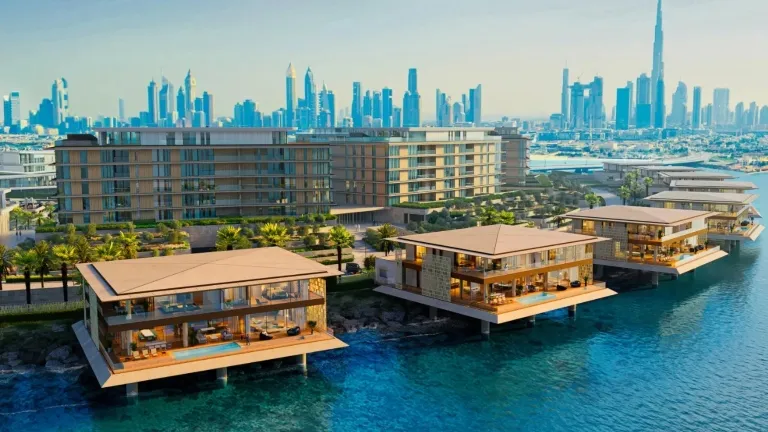
<p><a href="https://meraas.com/en/master-development/bluewaters">Bluewaters</a> offers a more waterfront-led lifestyle. It connects residential living with dining, shopping, hospitality, entertainment, art galleries and Ain Dubai, creating a destination environment for residents who value views, energy and day-to-night experiences. For families and buyers seeking a calmer setting, Madinat Jumeirah Living offers a more resort-inspired residential experience near Jumeirah, with access to established leisure, beach, hospitality and lifestyle destinations. Together, these communities reflect how Dubai’s premium residential market is increasingly shaped by location, experience and lifestyle infrastructure, not only by the property itself.</p>
<h2>What Combination of Shops, Restaurants and Cultural Spaces Creates the Most Convenient Weekend Lifestyle for Residents?</h2>
<p>A convenient weekend lifestyle is shaped by how effortlessly the day unfolds. Residents should be able to begin with coffee close to home, take care of everyday errands, spend time outdoors, enjoy a family lunch or move into an evening plan without feeling that each moment requires a separate journey across the city. In premium Dubai communities, convenience is increasingly measured by how seamlessly daily needs, social occasions and leisure experiences sit within the same neighbourhood.</p>
<p>Retail provides the practical foundation. Supermarkets, pharmacies, salons and everyday services help reduce friction in daily life. Boutiques, concept stores and destination shops extend the retail experience beyond daily essentials, allowing residents to shop for fashion, gifts, homeware and speciality items without leaving their wider neighbourhood.</p>
<p>Dining plays an equally important role. Casual cafés and family-friendly restaurants make the community easy to enjoy often, while more refined restaurants, terraces and hospitality-led venues create settings for social plans, business conversations and evening occasions. The right balance gives residents choice without allowing activity to overwhelm the residential setting.</p>
<p>Cultural and experiential spaces complete the picture. Galleries, outdoor events, design-led public areas, entertainment venues, seasonal activations and pedestrian-friendly promenades make a neighbourhood feel distinctive. They give residents places to gather, pause, engage with destination and connect, turning the wider community into part of the home experience. This is where residential communities begin to feel less transactional and more deeply rooted in Dubai’s urban lifestyle.</p>
<h2>Which Community Features Best Combine Retail and Dining with Green Public Spaces and Cultural Activity?</h2>
<p>The best communities connect retail, dining, greenery and culture without making the neighbourhood feel busy or fragmented. Residents should be able to enjoy a café, restaurant or boutique, then move naturally into shaded walkways, landscaped areas, public art, outdoor events or family-friendly spaces.</p>
<p>Green public spaces make the experience feel calmer and more liveable, especially when they include seating areas, lawns, walking paths and play areas. </p>
<p>The strongest features are therefore the ones that make movement feel natural: outdoor seating close to greenery, pedestrian routes between restaurants and public spaces, and flexible plazas that can host small events without disrupting the residential setting. Shaded pathways, landscaped courtyards, waterfront promenades and human-scale public areas can all strengthen the relationship between home, hospitality and leisure.</p>
<p>Together, these details help the neighbourhood feel complete; convenient enough for everyday use, open enough for relaxation and active enough to support social and cultural moments.</p>
<h2>How Should Buyers Compare Neighbourhoods Based on Walking Access to Retail, Dining and Cultural Venues?</h2>
<p>Buyers should compare walking access by quality, not distance alone. A restaurant five minutes away is more valuable when the route is shaded, safe, pleasant and active at different times of day.</p>
<p>Key questions include: Can residents walk comfortably in the evening? Are cafés, grocery options and daily services close enough for regular use? Do cultural venues feel connected to the wider neighbourhood, or are they occasional destinations? Is parking managed well enough to protect residential access? Do retail and dining areas feel integrated into the community, or do they operate as separate visitor destinations?</p>
<p>It is also worth comparing how the district feels on weekdays and weekends. A neighbourhood may seem calm during a site visit, then feel busier at night or during events. For premium buyers, the ideal address offers access to retail, dining and cultural life without making the home feel exposed to constant visitor movement. This distinction is particularly relevant for buyers seeking both lifestyle convenience and long-term residential privacy.</p>
<h2>What Are the Trade-Offs Between Evening Dining and Nightlife Access, Residential Quiet, Safety and Privacy?</h2>
<p>Evening dining and nightlife can add vibrancy, convenience and social value, especially for buyers who entertain, meet clients or prefer an active urban routine. The important distinction is between a neighbourhood that feels energetic and well-managed and one that feels disruptive.</p>
<p>Location within the community matters. Homes directly beside active dining streets may offer immediate access, but buyers should assess sound insulation, entry control, parking flow, visitor movement and how late-night activity is managed. Homes set slightly away from high-footfall areas can still benefit from nearby restaurants while offering greater privacy and a quieter residential atmosphere.</p>
<p>The right balance depends on lifestyle. Some buyers want the energy of restaurants nearby. Others prefer more discreet residential streets and use dining districts as occasional destinations. The best decision comes from matching the neighbourhood’s evening character to the buyer’s daily routine and long-term expectations of comfort, privacy and convenience,</p>
<h2>Which Types of Dubai Districts Best Suit Professionals Seeking Culture and Networking Opportunities, and How Do Their Needs Differ from Those of Families?</h2>
<p>Professionals seeking culture and networking usually gravitate towards central, mixed-use and destination-led districts. These settings make it easier to move from work to dinner, from a meeting to a cultural outing, or from a casual coffee to a social event without losing the efficiency and connectivity they expect from a premium urban address.</p>
<p>Families often assess the same features differently. They may still value cafés, restaurants and weekend destinations, but they usually place greater weight on schools, nurseries, green space, safety, parking, healthcare access, play areas and residential calm. For them, a community succeeds when lifestyle amenities support family routines rather than overwhelm them.</p>
<h2>Where Daily Life Extends Beyond Home</h2>
<p>Residential choice is ultimately about how a neighbourhood supports the way people live, connect, move and spend their time. Meraas communities bring homes closer to dining, retail, leisure, green spaces and cultural experiences, creating addresses that feel considered, connected and easy to enjoy.</p>
<p>Explore <a href="https://meraas.com/en/project-listing">Meraas communities</a> redefining urban living.</p>
<h2>FAQs</h2>
<h3>1.How Do Lifestyle Amenities Influence Property Choice in Dubai?</h3>
<p>Lifestyle amenities influence property choice by shaping how easily residents use the neighbourhood around them. Dining, retail, green spaces, cultural venues and everyday services can make a community more practical, social and enjoyable.</p>
<h3>2.Why Is Walkability Important in Premium Residential Communities?</h3>
<p>Walkability helps residents move between cafés, restaurants, shops, parks and cultural spaces with less dependence on the car. It also affects how often people use the community. A neighbourhood with shaded paths, clear routes and active public areas can feel more comfortable, connected and liveable throughout the week.</p>
<h3>3.What Should Families Look for in a Lifestyle-Led Community?</h3>
<p>Families should look for a balance between convenience and calm. Dining, retail and leisure access are useful, but they should be supported by green spaces, safe pedestrian areas, children’s amenities, parking, privacy and a quieter residential setting. The strongest communities allow families to enjoy nearby lifestyle destinations without compromising daily comfort.</p>
Back to MediaOther Media
Explore more articles from Meraas
Buying Off-Plan Property in Dubai: How Luxury Buyers Should Assess Build Specifications