Project Search
No Results Found
Search Results - Blog
Search Results - FAQs
No Results Found
No Result Found
The Journal - 31st August 2026
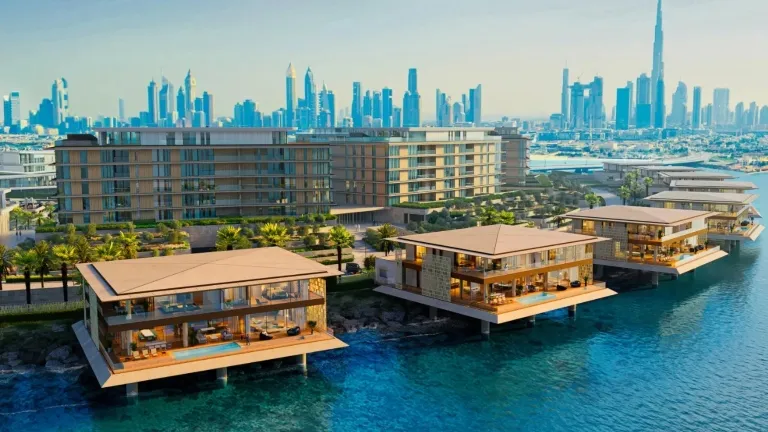
What Is a Lifestyle-First Address and Why Is It Important in Dubai Real Estate?
<img loading="lazy" src="/sites/default/files/2026-09/768x432%20%286%29.jpg" width="768" height="432" alt="What Is a Lifestyle-First Address and Why Is It Important in Dubai Real Estate?" />
<p>A lifestyle-first address is a residential location where daily life is shaped by the experience beyond the home itself. It brings together living, working, dining, fitness, leisure, social activity and everyday services within a setting that feels convenient, connected and well-planned.</p>
<p>In Dubai real estate, this matters because buyers are increasingly assessing how an address supports their everyday lifestyle and long-term priorities. A premium home may offer strong interiors, views and amenities, but the wider neighbourhood determines how easily residents can move through the day. Can they work close to home? Can they walk to cafés, shops or wellness facilities? Can family members access outdoor spaces, dining, entertainment and essential services without depending on long drives for every activity?</p>
<p>For buyers seeking a home that supports ambition, family life and personal time, a lifestyle-first address can offer a more complete and enduring form of value. It is defined by the quality and accessibility of the wider community, rather than proximity to attractions alone. It is about choosing a community where convenience, social energy, privacy and long-term liveability are carefully balanced.</p>
<h2>What Is the Difference Between a Mixed-Use Lifestyle Community and a Residential-Only District in Dubai?</h2>
<p>The practical difference lies in how the neighbourhood supports the resident’s routine. In a residential-only district, the home may offer privacy and calm, but residents often need to drive elsewhere for dining, fitness, shopping, coworking, entertainment or social plans. This can work well for buyers who prefer a clear separation between home and activity, but it may also make everyday routines more dependent on driving and multiple individual journeys.</p>
<p><a href="https://meraas.com/en/latest-post/journal/why-mixed-use-communities-outperform-single-use-developments-dubai">A mixed-use lifestyle community</a> is planned differently. It combines residences with retail, cafés, restaurants, wellness spaces, hotels, offices, outdoor areas or cultural experiences. Its value is determined not by proximity alone, but by the quality, relevance and convenience of the experiences within reach. When workspaces, cafés, fitness options, dining and everyday services are planned within the same setting, residents save time and move more smoothly between activities.</p>
<p>For working professionals and families, this can change how the address functions. A morning coffee, school drop-off, gym session, remote-work meeting, dinner plan or evening walk may all sit within the same wider environment. The home becomes part of a connected daily rhythm, rather than a place residents leave each time they need something.</p>
<p>The key consideration is that buyers need to assess how well activity is managed. A lifestyle community should feel energetic without becoming intrusive. The most considered communities preserve residential privacy while accommodating public movement through controlled access control, considered building placement, parking planning, acoustic comfort and clear boundaries between private homes and active areas.</p>
<h2>Which Lifestyle-Community Features Best Support Flexible Work, Coworking and Everyday Work-Life Balance?</h2>
<p>Flexible working is supported by a considered combination home design, neighbourhood facilities and reliable daily services. The apartment, townhouse or villa should allow space for focused work, whether through a study, adaptable room, quiet corner or layout that separates work calls from family activity.</p>
<p>Beyond the home, the community should offer a variety of settings that allow residents can shift environment during the day. Cafés with comfortable seating, calm hotel lounges, coworking spaces, shaded outdoor seating and nearby meeting spots can all support people who do not want to work from home all the time. This is especially valuable for professionals who manage hybrid schedules, client meetings or regional work across different time zones.</p>
<p>Work-life balance also depends on how easily residents can transition beyond the workday. Fitness facilities, walking routes, restaurants, grocery access, wellness services and outdoor spaces make it easier to move from work to personal time without losing energy in traffic. A lifestyle-first address works best when it reduces friction across the whole day, not only during working hours.</p>
<p>Buyers should therefore look beyond whether a community has a coworking space. They should ask whether the wider environment supports a consistently productive, balanced and adaptable routine.</p>
<h2>Which Amenities Should Buyers Prioritise in a Lifestyle-Led Community?</h2>
<p>Buyers should begin with amenities that replace regular journeys and make daily routines easier. A supermarket, pharmacy, gym, casual dining and practical services within walking distance will usually have a greater influence everyday life more than a long list of facilities inside the development. Families may place greater weight on play areas, nurseries, schools and safe pedestrian routes, while professionals may prioritise coworking spaces, cafés and convenient transport links.</p>
<p>The next consideration is whether outdoor amenities remain comfortable and accessible throughout the year. Pools need sufficient shade and seating, walking routes should connect to actual destinations, and landscaped areas should offer comfortable places to exercise, meet or relax outdoors. A waterfront promenade or park adds limited value if access is indirect, exposed to the sun or interrupted by vehicle entrances.</p>
<p>Buyers should also assess how shared facilities are likely to function once thedevelopment is fully occupied. The number of homes served by each pool, gym, lift or resident lounge affects waiting times, privacy and comfort. They should also check the opening hours, guest policies, booking requirements and associated <a href="https://meraas.com/en/latest-post/journal/service-charges-maintenance-standards-and-asset-preservation-what-buyers">service charges</a> for shared facilities to determine whether they will support spontaneous daily use or become expensive and difficult to access.</p>
<p>Finally, the surrounding district should enhance the residence without compromising residential privacy or tranquility. Restaurants, retail and cultural venues can enrich the address, but buyers should check whether visitor parking, delivery access for restaurants and retailers, evening activity and noise affect residential entrances or private outdoor areas. A genuinely lifestyle-led address brings useful experiences close to home while preserving calm within its residential spaces.</p>
<h2>How Can Buyers Choose a Lifestyle-First Address in Dubai?</h2>
<p>A lifestyle-first address should make everyday life feel more considered. It should help residents move between work, family, wellness, dining, social plans and quiet time with less friction and more choice.</p>
<p>For buyers in Dubai, this makes the wider neighbourhood as important as the residence itself. The strongest addresses are those that combine design, convenience, privacy, access and community energy in a way that remains useful over time.</p>
<p>Meraas creates residential destinations shaped around contemporary living, where homes are connected to refined settings, curated experiences and everyday ease. Explore <a href="https://meraas.com/en/project-listing">Meraas communities</a> to find a home in Dubai that supports how you live today and how your lifestyle can grow over time.</p>
<h2>FAQs</h2>
<h3>1.What makes an address lifestyle-first rather than just well located?</h3>
<p>A lifestyle-first address supports daily routines within the neighbourhood itself. It should offer walkability, useful services, dining, fitness, social spaces and quiet residential areas that work together, not just nearby attractions.</p>
<h3>2.Should buyers prioritise lifestyle amenities over home features?</h3>
<p>No, the home still needs the right layout, privacy, storage, views and finish quality. Lifestyle amenities add value when they make daily life easier without compensating for weaknesses inside the residence.</p>
<h3>3.How can buyers tell if a lifestyle community will suit families?</h3>
<p>Buyers should look at safe walking routes, calm residential zones, family dining, outdoor space, practical retail, parking, noise control and whether social activity is separated from private living areas.</p>
Back to MediaOther Media
Explore more articles from Meraas

Buying Off-Plan Property in Dubai: How Luxury Buyers Should Assess Build Specifications