Project Search
No Results Found
Search Results - Blog
Search Results - FAQs
No Results Found
No Result Found
The Journal - 27th August 2026
What Is Design Governance and Why Does It Matter in Dubai's Luxury Communities?
<img loading="lazy" src="/sites/default/files/2026-09/768x432%20%285%29.jpg" width="768" height="432" alt="What Is Design Governance and Why Does It Matter in Dubai's Luxury Communities?" />
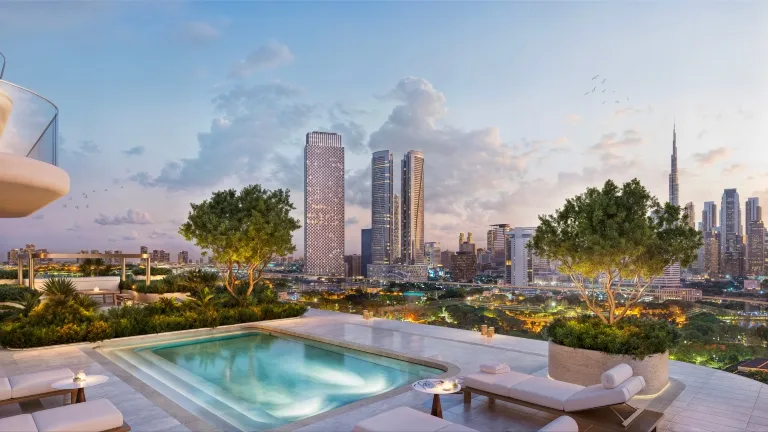
<p>Luxury communities are not shaped by architecture alone. They are defined by the standards, design reviews and long-term controls that determine how buildings, landscapes, public spaces and shared facilities function cohesively over time. This is where design governance plays a critical role.</p>
<p>Design governance refers to the standards used to guide a community’s visual identity, planning quality, sustainability performance, public realm, building materials, façade treatments, landscape design and ongoing maintenance expectations. For buyers of luxury property in Dubai, it helps answer a more fundamental question: will the community still feel coherent, well managed and desirable years after the first handover?</p>
<p>In a market where discerning property buyers often compare homes across waterfront districts, urban destinations and private residential communities, design governance can indicate the level of long-term planning discipline behind a development.. It reduces the risk of fragmented development, inconsistent architecture, poorly maintained shared areas and short-term that diminish the quality and character of the wider community.</p>
<h2>How Do Different Master-Developer Governance Models Influence Architectural Consistency and Community Quality?</h2>
<p>Different master-developer governance models determine how much control exists over the final look, feel and performance of a community. In some developments, the master developer sets broad infrastructure and land-use guidelines, while individual plots are delivered by different parties. In others, the master developer applies comprehensive design standards across architecture, landscaping, access, signage, lighting and the public realm.</p>
<p>For luxury property buyers, the difference is important. A community with clear design governance is more likely to maintain a consistent streetscape, balanced building heights, considered material palettes and smoother transitions between private homes and shared spaces. This does not mean every building should look identical. Strong governance allows architectural variety within a considered framework that preserves the identity of the wider destination.</p>
<p>Community quality also depends on how decisions are managed after a development is delivered. Shared facilities, common areas and jointly owned property in Dubai are subject to regulated governance mechanisms, including service-charge controls through Dubai Land Department and RERA systems. These systems are relevant because long-term community quality depends on both the original design vision and the effective maintenance and funding of shared assets once a community becomes operational.</p>
<h2>Which Design-Governance Standards Should Buyers Look for When Assessing Sustainability and Long-Term Planning Quality?</h2>
<p>Buyers should look for standards that extend beyond broad or surface-level sustainability claims. A credible design-governance framework should address energy efficiency, water use, building orientation, shading, landscape resilience, waste management, material durability and maintenance access.</p>
<p>In Dubai, <a href="https://meraas.com/en/latest-post/journal/what-buyers-should-look-sustainability-focused-residential-community">sustainability</a> is also shaped by formal building systems. Dubai Municipality’s Al Sa’fat Green Building System classifies buildings according to their compliance with sustainability performance requirements, while Dubai’s green building approach covers planning, design, construction and operation rather than treating sustainability as a decorative add-on.</p>
<p>For luxury communities, the most useful question is not simply whether a project uses sustainable language. Buyers should ask how its sustainability strategy contributes to everyday comfort, operational efficiency and long-term ownership quality. Shaded walkways can enhance the year-round usability of outdoor spaces. improve outdoor usability. Efficient cooling strategies can support operating performance.Climate-responsive landscaping can help preserve the quality of the public realm in demanding weather conditions. . Water-conscious planting can protect the appearance of the community without creating unnecessary maintenance pressure.</p>
<p>Long-term planning quality should also be assessed against Dubai’s wider urban direction. The Dubai 2040 Urban Master Plan focuses on improving quality of life, doubling green and leisure areas, supporting vibrant communities and expanding sustainable mobility. For buyers, communities that align with these priorities are more likely to remain relevant as Dubai’s urban landscape continues to evolve.</p>
<h2>What Design Reviews, Certifications or Quality Checks Can Help Buyers Assess a Luxury Master-Planned Community?</h2>
<p>Useful checks include whether the project follows Dubai Municipality requirements, whether green building standards are clearly referenced, whether service charges are RERA-approved, and whether the community has a defined management entity for shared areas. Dubai’s jointly owned property framework requires approval for service charges related to common areas and facilities, which matters because luxury communities depend heavily on the long-term condition and management of shared spaces after completion.</p>
<p>One important certification to ask about in Dubai is Al Sa’fat, Dubai’s green building rating system. It classifies buildings according to their compliance with sustainability performance requirements, helping buyers establish whether environmental considerations have informed the project’s design and construction. In practical terms, this can relate to energy use, cooling efficiency, water use, building materials and how effectively the design responds to Dubai’s climate.</p>
<p>Buyers can also ask whether the project follows international green building standards such as LEED, which is widely used to assess environmental performance across areas such as energy, water, materials, waste and indoor environmental quality. For a luxury community, this matters because sustainability is not solely a measure of environmental credentials.. It can affect operating efficiency, long-term maintenance expectations and the comfort of homes and shared spaces.</p>
<h2>How Can Buyers Compare Planned Design Standards with the Quality Delivered in Completed Phases of a Development?</h2>
<p>The clearest method is to compare the original design promise with tangible evidence. Buyers should review the master plan, renders, material descriptions and amenity plans, then visit completed areas or comparable communities delivered by the same developer to see how those standards translate into the built environment.</p>
<p>The comparison should focus on specific details. Are the finished façades consistent with the quality shown in marketing material? Do public spaces feel generous or compressed? Is the landscape mature and properly maintained? Are walkways shaded enough to be usable? Are entrances, drop-off zones and parking areas handled elegantly? Are service areas visible in ways that weaken the experience?</p>
<p>This is especially important for luxury buyers because even subtle inconsistencies can influence the perception of an entire community. A premium villa, apartment or townhouse may be well designed internally, but its long-term appeal is equally influenced by the quality, character and management of its surroundings.</p>
<p>A practical buyer should visit at different times where possible. Morning visits can reveal access conditions and school-run activity. Evening visits reveal lighting, atmosphere and restaurant or retail activity nearby. Weekend visits show whether shared amenities feel balanced or overcrowded. This provides a more representative understanding of the community than relying exclusively on a single sales-centre appointment, </p>
<h2>Which Lighting, Material, Façade and Landscape Standards Contribute Most to a Coherent Luxury-Community Identity?</h2>
<p>The strongest luxury communities usually have a controlled design language that is recognizable without becoming uniform or repetitive. Lighting, materials, façades and landscaping are central to establishing this identity.</p>
<p>Lighting should support safety, orientation and atmosphere without creating glare. In residential areas, overly bright or inconsistent lighting can make streets feel commercial rather than serene and residential. Considered lighting schemes typically combine pathway lighting, façade accents, landscape lighting and discreet security lighting to create a layered sense of comfort, clarity and ambience.</p>
<p>Materials should be evaluated for durability as carefully as they are for visual appeal. Stone, timber-effect finishes, metalwork, paving, façade panels and outdoor furniture need to withstand heat, humidity, dust and frequent use. A material palette may look refined at launch, but buyers should consider how it will age and whether it can be maintained, repaired or replaced without compromising the community’s visual consistency.</p>
<p>Façade standards are equally important because they shape the identity of the streetscape. Proportions, balcony treatments, shading devices, glazing, privacy screens and colour palettes all influence whether a community feels composed or visually fragmented.</p>
<p>Landscape standards bring the community together. In Dubai, landscape design should not be judged only by greenery. The more important test is whether planting, shade, water features, seating, walking routes and open spaces create comfortable, functional and genuinely usable outdoor environments. </p>
<h2>How Does Strong Design Governance Support Long-Term Community Quality and Property Desirability?</h2>
<p>Strong design governance protects a community from becoming visually or operationally inconsistent over time. It sets expectations for how buildings relate to one another, how shared areas are maintained, how public spaces are used and how future phases continue the original design intent.</p>
<p>For residents, this directly influences everyday liveability. A well-governed community can make movement easier, outdoor areas more comfortable, entrances calmer, privacy stronger and shared amenities more pleasant to use. These are not abstract design benefits. They shape the resident experience and the quality of daily life within a community. </p>
<p>For long-term buyers, design governance can also strengthen enduring property desirabilitydesirability. A community that remains visually coherent, well-maintained and carefully managed is more likely to retain its appeal across market cycles. This matters to buyers who see property as a family asset, a second home or part of a wider lifestyle portfolio. They are not only looking at the unit they purchase. They are assessing the quality of the environment around it and the likelihood that this standard will be preserved as the destination matures.</p>
<h2>Invest in a Community with Lasting Design Value</h2>
<p>The most successful luxury communities are not defined by isolated statement <a href="https://meraas.com/en/latest-post/journal/role-architecture-creating-iconic-residential-addresses-dubai">architecture</a>. They are defined by design discipline: cohesive planning, climate-appropriate materials, thoughtfully composed shared spaces, seamless transitions, robust maintenance structures and a distinctive identity that endures as the community evolves.<strong> </strong>.</p>
<p>For buyers, this makes design governance an important part of the evaluation process alongside location, home layout, amenities and lifestyle fit. It reveals whether a luxury community has been conceived primarily for immediate visual impact or supported by the planning standards and management structures required to remain elegant, liveable and desirable over time. .</p>
<p>Explore <a href="https://meraas.com/en/project-listing">Meraas communities</a> designed around thoughtful planning, refined settings and a lasting sense of community in some of Dubai’s most distinctive destinations.</p>
<h2>FAQs</h2>
<h3>1.Should buyers ask about design standards before buying off-plan?</h3>
<p>Yes, buyers should ask how architecture, materials, landscaping, lighting and shared spaces are controlled across the wider community, not only inside the residence they are purchasing.</p>
<h3>2.Can design governance affect the daily living experience?</h3>
<p>Yes, it can influence how comfortable, private and well-maintained a community feels, from shaded walkways and arrival areas to landscaping, lighting, parking access and shared amenities.</p>
<h3>3.Can design governance influence long-term property desirability?</h3>
<p>Yes, strong design governance can help a luxury community remain visually consistent, thoughtfully managed and easy to live in as it matures. This can support long-term desirability because buyers are more likely to value homes in communities where architecture, landscaping, shared spaces and design standards continue to feel coherent over time.</p>
Back to MediaOther Media
Explore more articles from Meraas