Project Search
No Results Found
Search Results - Blog
Search Results - FAQs
No Results Found
No Result Found
The Journal - 3rd October 2026
The Rise of Legacy Living: How Families Are Thinking Beyond Property Ownership in Dubai
<img loading="lazy" src="/sites/default/files/2026-11/768x432_7.jpg" width="768" height="432" alt="The Rise of Legacy Living: How Families Are Thinking Beyond Property Ownership in Dubai" />
<p>A home purchased for the next generation in Dubai has to accommodate more than the family’s needs at the time of purchase. Children may grow up and return with families of their own, parents may need more accessible rooms, and relatives living abroad may spend longer periods together in Dubai.</p>
<p>Legacy living brings these possibilities into the luxury property buying decision. Alongside location and architecture, families consider how a Dubai home can remain comfortable, manageable and meaningful over decades, with clear arrangements for its eventual transfer.</p>
<h2>What Does Legacy Living Mean for Families Purchasing Luxury Property in Dubai for Long-Term Ownership?</h2>
<p>Legacy living in Dubai means choosing a luxury home that can support family life across generations, backed by a practical plan for ownership, upkeep and succession. Its value includes the continuity of a familiar gathering place, as well as its role within the family’s assets.</p>
<p>For an international family, that might mean a permanent Dubai base where relatives return for holidays, adult children can stay independently and grandparents remain part of daily life. The property’s suitability depends on how well it accommodates these different uses.</p>
<p>Long-term ownership also requires agreement about the home’s purpose. A residence intended for shared family use calls for different arrangements from one that will eventually be occupied by a single heir or rented out. Establishing that intention early helps align the purchase with the people who may inherit it.</p>
<h2>What Ownership, Succession, Inheritance and Estate-Planning Questions Should International Families Address Before Purchasing a Legacy Property in Dubai?</h2>
<p>The first step is to confirm the ownership rights attached to the specific property. Foreign nationals can purchase freehold property in designated areas of Dubai, so buyers should verify the title, eligibility and registration arrangements before committing.</p>
<p>Before purchasing, families should work with legal and tax advisers in the UAE and their home countries to clarify the following:</p>
<ul type="disc">
<li><strong>Who will own the property: </strong>whose names and ownership shares will be registered, and whether an alternative ownership structure is appropriate and permitted.</li>
<li><strong>Who should inherit it: </strong>the intended beneficiaries, the rules applicable to the family and the documents needed to give effect to those wishes.</li>
<li><strong>Who will manage the transition:</strong> the executor’s responsibilities, treatment of any mortgage and funds available for expenses while the estate is administered.</li>
<li><strong>How international arrangements interact:</strong> whether existing wills, overseas tax obligations or succession rules affect the Dubai property.</li>
<li><strong>How shared ownership will work:</strong> who may occupy the home, who funds maintenance and how disagreements or an heir’s wish to sell will be addressed.</li>
</ul>
<p>Families should plan for the property’s future ownership alongside the purchase, with legal advice on inheritance and, where relevant, guardianship of minor children.</p>
<h2>Which Home Layouts and Design Features Support Multigenerational Privacy, Shared Family Life and Changing Needs Over Time?</h2>
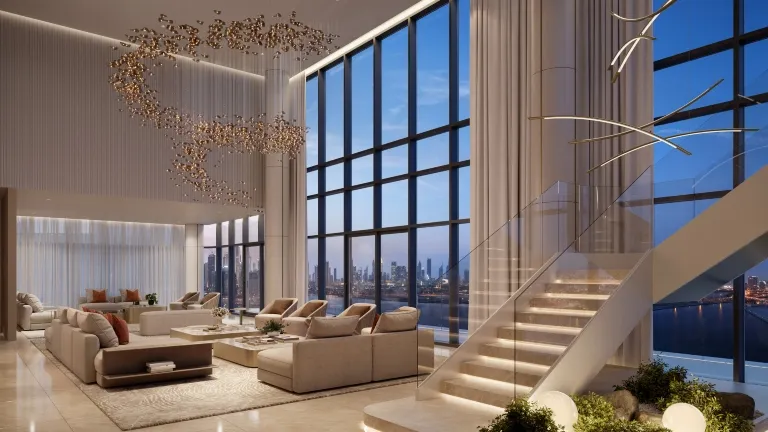
<p>A multigenerational home in Dubai needs places to gather and spaces where different routines can coexist. Bedroom count alone reveals little about whether guests can arrive late, children can play or grandparents can rest without disturbing others.</p>
<p>The most useful features to assess include:</p>
<ul type="disc">
<li><strong>Bedrooms away from shared spaces:</strong> separating bedrooms from lounges and dining areas preserves privacy and allows family members to rest while others gather or entertain.</li>
<li><strong>Separate living rooms: </strong>a main lounge provides space for family gatherings, while a second living room accommodates quieter moments, study or children’s activities.</li>
<li><strong>A ground-floor bedroom and bathroom: </strong>step-free access and space to move comfortably welcome relatives of different ages and support changing mobility needs over time.</li>
<li><strong>Rooms that adapt over time:</strong> a well-proportioned study with a bathroom nearby can become a guest bedroom or accommodate a family member for an extended stay.</li>
<li><strong>Discreet utility and staff spaces:</strong> laundry rooms, storage and staff accommodation should be positioned so that daily tasks can be managed without passing through the main family living areas.</li>
</ul>
<p>In homes with several floors, a lift can support comfortable movement between levels as family needs change. Where one is not provided, buyers should confirm whether installation is structurally feasible and permitted by the community. Gardens and terraces should offer privacy from neighbouring homes, shaded areas for sitting and direct access from shared living spaces, making outdoor time more comfortable for family members of different ages.</p>
<h2>How Should Families Assess a Luxury Home as Both a Primary Residence and a Long-Term Asset for Future Generations?</h2>
<p>A luxury home in Dubai intended for generations should offer a rewarding family life today while remaining practical to own and use in the future.</p>
<p>As a primary residence, its location and layout should support everyday routines, with convenient access to schools, workplaces and healthcare, alongside space for privacy, family time and entertaining. These qualities help establish whether the home suits year-round living as well as special occasions.</p>
<p>Long-term ownership also requires budgeting for regular expenses such as service charges, insurance, utilities and maintenance, along with future renovations and the replacement of major systems, including air conditioning.</p>
<p>Future generations may choose to live in the home, share it with relatives or manage it from abroad. Families should consider these possibilities alongside rental and resale potential, assessing demand for comparable properties and whether the layout would appeal to other residents. A home that accommodates different uses gives heirs greater freedom to retain, adapt or sell it as their circumstances evolve.</p>
<h2>What Location, Build-Quality, Community-Management and Demand Indicators Suggest That a Property Will Retain Its Relevance and Value Across Generations?</h2>
<p>While no single indicator can assure a Dubai home’s value across generations, location, build quality, community management and demand can help families assess its lasting appeal.</p>
<ul type="disc">
<li><strong>Location:</strong> access to business and employment centres, schools, healthcare and everyday services supports a home’s long-term convenience. The surrounding setting and future development plans help families understand how a home’s views, privacy and neighbourhood atmosphere may evolve over time.</li>
<li><strong>Build quality:</strong> for completed homes, an independent inspection can establish the condition of waterproofing, drainage, glazing and cooling systems. For off-plan properties, specifications, warranties and completed examples of the developer’s work provide a basis for judging quality. Materials that can be maintained, repaired or replaced help keep the home in good condition over time.</li>
<li><strong>Community management:</strong> well-maintained landscaping, roads and communal facilities reflect the care a neighbourhood receives beyond handover. Clear maintenance arrangements, service-charge records and funding for major repairs provide further insight into how that care can be sustained.</li>
<li><strong>Demand:</strong> completed sales and achieved rents for comparable homes provide firmer evidence of demand than asking prices alone. Transaction frequency, the time properties take to sell or let, and competing supply help show whether interest extends beyond a handful of exceptional homes.</li>
</ul>
<p>Enduring design supports these fundamentals through well-proportioned rooms, usable outdoor space and layouts that can accommodate changes without extensive rebuilding.</p>
<h2>Which Meraas Communities Are Best Suited to Families Seeking Privacy, Enduring Design and Long-Term Legacy Value in Dubai?</h2>
<p>The Acres, Nad Al Sheba Gardens and Jumeira Bay are three Meraas communities that offer distinct starting points for legacy living in Dubai, depending on whether the family prioritises garden living, a gated neighbourhood or a private coastal setting.</p>
<h3>The Acres</h3>
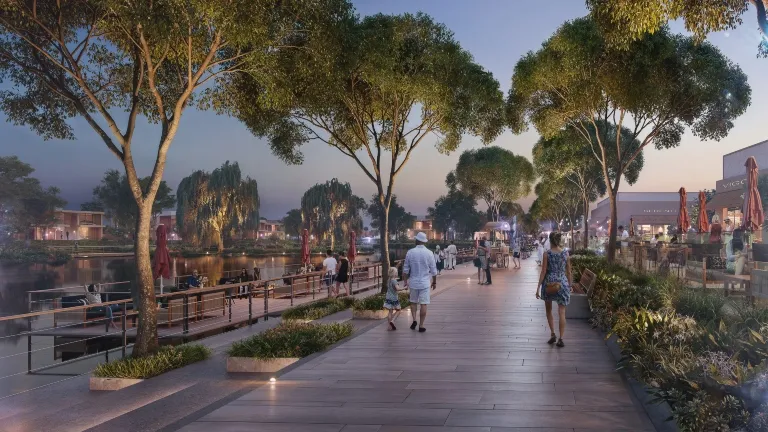
<p><a href="https://meraas.com/en/master-development/the-acres">The Acres</a> brings standalone villas and private gardens into a landscape of parks, pathways and planned swimmable lagoons. The connection between home and garden creates space for family gatherings, children’s play and quieter moments outdoors, while the wider community offers opportunities for recreation close to home.</p>
<p>For families drawn to nature, this balance of personal space and shared landscapes provides a setting where everyday routines and visits from extended family can comfortably coexist.</p>
<h3>Nad Al Sheba Gardens</h3>
<p><a href="https://meraas.com/en/master-development/nad-al-sheba-gardens">Nad Al Sheba Gardens</a> offers villas and townhouses within a private gated neighbourhood, with landscaped spaces and a masterplan incorporating walking routes, cycling and running tracks, and sports facilities.</p>
<p>Its appeal lies in combining the privacy of an individual home with opportunities for an active family life. A choice of home sizes and layouts allows families to consider the space they need today alongside room for visiting relatives and changing needs over time.</p>
<h3>Jumeira Bay</h3>
<p><a href="https://meraas.com/en/master-development/jumeriah-bay-island">Jumeira Bay</a> combines a secluded island setting with a bridge connection to the mainland. Gardens, private beaches and the Bulgari resort and marina place coastal living at the heart of the destination.</p>
<p>For families who value privacy and time by the sea, the island offers a distinctive base for both permanent residence and returning visits. Its coastal setting and architectural identity give families a sense of place around which shared traditions can develop.</p>
<p>A lasting family home begins with a setting that reflects how its owners wish to live and the experiences they hope to share. Families can <a href="https://meraas.com/en/contact-us">contact Meraas</a> to explore communities and residences suited to their vision for the generations ahead.</p>
<h2>FAQs</h2>
<h3>1.Does a legacy home need to be a villa?</h3>
<p>An apartment can also serve as a lasting family home when its layout offers privacy, space for family visits and convenient access, supported by reliable building management.</p>
<h3>2.How can families prepare for sharing a home across generations?</h3>
<p>Agreeing on how the home will be used, how expenses will be shared and who will oversee maintenance helps preserve family harmony and keep responsibilities clear.</p>
<h3>3.Should the next generation be involved in choosing a legacy home?</h3>
<p>Involving adult children helps families understand whether the location, layout and ownership responsibilities suit those who may eventually inherit the home.</p>
Back to Media