Project Search
No Results Found
Search Results - Blog
Search Results - FAQs
No Results Found
No Result Found
The Journal - 17th July 2026
How Wellness-Focused Design is Influencing Luxury Real Estate in Dubai
<img loading="lazy" src="/sites/default/files/2026-07/768x432_7.jpg" width="768" height="432" alt="How Wellness-Focused Design is Influencing Luxury Real Estate in Dubai " />
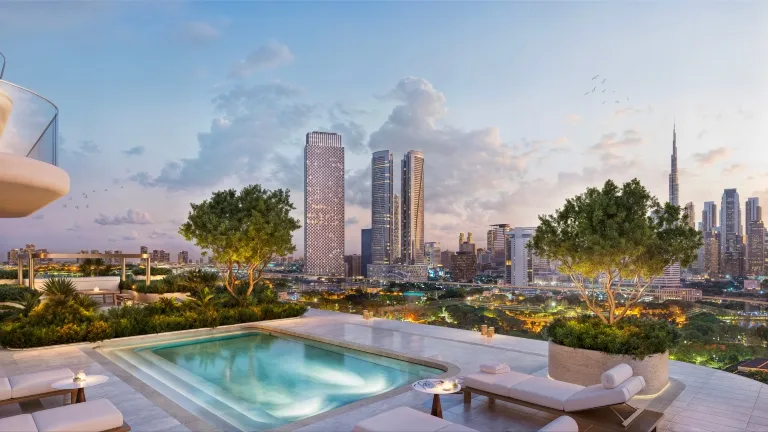
<p>Wellness is reshaping the definition of luxury redefining what luxury means in Dubai’s residential market. Today’s discerning buyers are looking beyond aesthetics and prestige, prioritising homes that enhance everyday living through thoughtful design, comfort, and a sense of balance. In this context, wellness is no longer an added feature, but a fundamental framework influencing every aspect of how premium residences are planned, designed and experienced.</p>
<p>For buyers, wellness-led design now sits alongside location, architecture and scarcity as one of the defining characteristics of premium residential real estate. It shapes how a residence performs emotionally, functionally and financially, particularly in communities where privacy, walkability, natural light and access to open space create daily value beyond the property itself.</p>
<h2><strong>Why Wellness has Moved from Amenity to Design Principle</strong></h2>
<p>Wellness was once expressed through gyms, pools, and spa-inspired facilities. In today’s premium residential market, it has moved deeper into the design process. The strongest homes consider air quality, daylight, acoustic comfort, shaded movement, water features, landscape planning, and spaces that support rest, work, and family life through a more holistic approach to residential design.</p>
<p>Luxury buyers assess how a home feels over time, not only how it looks at handover. A residence with strong spatial flow, access to greenery and well-planned shared spaces can reduce daily friction, improve liveability and strengthen demand from end-users who increasingly prioritise quality of life alongside location. In investment terms, that can support <a href="https://meraas.com/en/latest-post/journal/steady-rental-income-through-buy-let-dubai">rental resilience</a> and long-term desirability, especially when compared with properties that rely primarily on visual rather than lived experience. </p>
<h2><strong>The Global Shift Towards Healthier Homes</strong></h2>
<p>The shift is not limited to Dubai. The <a href="https://globalwellnessinstitute.org/press-room/press-releases/wellness-real-estate-market-reached-438-billion-in-2023-and-is-forecast-to-more-than-double-to-913-billion-by-2028">Global Wellness Institute</a> estimated the global wellness real estate market at USD 438 billion in 2023 and forecast it to more than double to USD 913 billion by 2028, reflecting rising demand for homes designed around health and wellbeing.</p>
<p>This global movement is influencing buyer expectations in Dubai, where international purchasers often benchmark residences against leading luxury destinations worldwide. International investors, mobile entrepreneurs, and HNWIs often compare homes across global cities, and wellness has become part of that comparison. In this context, luxury apartments for sale in Dubai are judged by views, finishes, address, and how well they support privacy, recovery, movement, and everyday balance throughout the ownership journey.</p>
<h2><strong>How Design Supports Physical Wellbeing</strong></h2>
<p>Physical wellbeing begins with considered master-planning and architectural discipline. Natural ventilation, usable balconies, shaded outdoor routes, fitness areas, swimming pools, cycling paths, and pedestrian-friendly layouts all influence how often residents move through their community. These features may appear lifestyle-led, but they have clear practical value: they make healthy routines easier to maintain as part of daily life rather than a separate activity.</p>
<p>In Dubai, where climate-sensitive design is essential, shaded walkways, layered landscaping and indoor-outdoor transitions help extend the usability of outdoor spaces. For premium buyers, this turns wellness from an occasional activity into an embedded component of everyday living. It also strengthens the appeal of luxury off-plan properties in Dubai when master planning demonstrates that wellbeing has been considered from the earliest development stages rather than added later as a marketing feature.</p>
<h2><strong>How Homes Can Support Mental Wellbeing</strong></h2>
<p>Mental wellbeing is shaped by the careful interplay of space, light, proportion, and calm. Open layouts, considered storage, soft landscape views, quieter residential zones, and access to water or greenery can all influence how residents experience a home. These elements matter because premium buyers seek residences that feel restorative, especially as hybrid work and global travel place more pressure on the home environment.</p>
<p>The <a href="https://www.wellcertified.com/">International WELL Building Institute</a> describes WELL as an evidence-based framework for applying design and operational strategies that support health and wellbeing in buildings. While certification is only one part of the wider conversation, its principles reflect a broader market shift towards more deliberate and measurable approach to healthy living environments. This reflects the growing expectation that luxury real estate should actively support both physical and mental wellbeing rather than simply provide high-end finishes.</p>
<h2><strong>Why Wellness Matters to Luxury Buyers in Dubai</strong></h2>
<p>Dubai’s luxury market has become more sophisticated as transaction volumes and global interest continue to rise, bringing greater scrutiny to the long-ter quality and performance of residential assets.. <a href="https://www.knightfrank.ae/newsroom/article/2026/1/dubai-us$-10m-resi-sales-q4-2025">Knight Frank</a> reported that Dubai recorded 500 home sales above USD 10 million in 2025, underscoring the city’s position in the global super-prime residential market.</p>
<p>For UHNWIs and international buyers, wellness-focused design helps answer a deeper question: will the property remain desirable across changing market conditions? Homes that combine scarcity, privacy, <a href="https://meraas.com/en/latest-post/blog/explore-community-experience-meraas-waterfront-developments">community planning</a>, landscape quality, and daily comfort are more likely to retain emotional and practical relevance while sustaining long-term appeal among future buyers and residents.</p>
<h2><strong>Wellness as a Long-Term Residential Standard</strong></h2>
<p>Wellness-focused design is no longer a soft lifestyle trend. It is becoming a long-term residential standard that influences how luxury buyers evaluate liveability, community quality, and asset durability. In Dubai, where global capital continues to meet design-led ambition, the most resilient homes will be those that support both personal wellbeing and long-term value. Explore <a href="https://meraas.com/en/project-listing">Meraas communities</a>’ wellness-focused design today.</p>
<h2><strong>FAQs</strong></h2>
<h3><strong>How is Wellness-Focused Design Changing Luxury Real Estate in Dubai?</strong></h3>
<p>Wellness-focused design is shifting attention from individual amenities to complete living environments. Buyers value natural light, privacy, outdoor access, air quality, walkability, and community planning because these features improve daily comfort and long-term desirability.</p>
<h3><strong>Why Do Luxury Buyers Care about Wellness Features?</strong></h3>
<p>Luxury buyers often seek homes that support health, calm, and balance over time. Wellness-led features can make a property more liveable, which may improve end-user demand, rental appeal, and long-term asset resilience.</p>
<h3><strong>Are Wellness-Focused Homes Relevant for Investors?</strong></h3>
<p>Yes. Wellness-focused homes can appeal to tenants and buyers who prioritise comfort, privacy, and lifestyle quality. In premium communities, these features may help differentiate a property and support stronger long-term demand.</p>
Back to MediaOther Media
Explore more articles from Meraas