Project Search
No Results Found
Search Results - Blog
Search Results - FAQs
No Results Found
No Result Found
The Journal - 20th August 2026
How Architecture Influences Buyer Emotion in Dubai’s Luxury Real Estate Market
<img loading="lazy" src="/sites/default/files/2026-09/768x432%20%283%29.jpg" width="768" height="432" alt="How Architecture Influences Buyer Emotion in Dubai’s Luxury Real Estate Market" />
<p>In Dubai’s luxury real estate market, architecture often shapes the first emotional response before a buyer studies floor plans, finishes or payment details. The connection begins with how the home presents itself on arrival, how light moves through each space, how privacy is protected and how naturally the design allows buyers to imagine their life within it.</p>
<p>For many luxury buyers, architecture carries meaning because it turns ownership into something more personal. It signals taste, permanence and confidence. It also helps buyers imagine how a home will hold its relevance over time, whether as a primary residence, a second home or a generational address.</p>
<h2>How Do Different Façade Styles Influence First Impressions, Emotional Appeal and Perceptions of Luxury-Home Quality in Dubai?</h2>
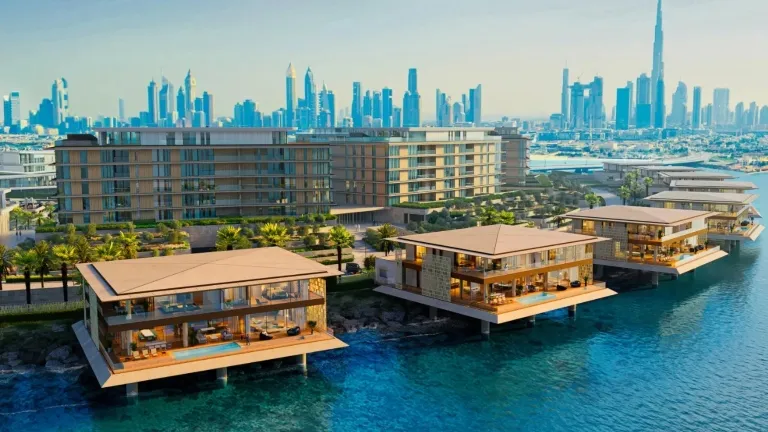
<p>A façade is the first expression of a home’s architectural identity. Clean lines can suggest restraint and permanence, while sculptural forms create a stronger sense of distinction. Material choices also shape perception. Stone, glass, metal, textured surfaces and shaded recesses can make a residence feel grounded, private and carefully resolved rather than decorative.</p>
<p>For luxury buyers in Dubai, the most persuasive façades are usually those that balance visual impact with liveability. A dramatic exterior may demand attention, but lasting appeal comes from façades that manage light, frame views and protect privacy. <a href="https://meraas.com/en/project/jumeirah-asora-bay">Jumeirah Asora Bay</a>, for example, uses hillside positioning and terraced architecture to create a more private coastal presence, while its terracotta and stone façade is designed to integrate with the natural surroundings.</p>
<p>This is where emotional appeal and perceptions of architecture meet. Buyers are not simply reading the exterior as a design statement. They are asking whether the architecture feels considered enough to support the way they want to live.</p>
<h2>Which Landscaping and Outdoor Architectural Features Create the Strongest Emotional Connection for Luxury Buyers?</h2>
<p>The strongest emotional connection often comes from outdoor features that make a home feel rooted in its setting. Landscaped arrival sequences, courtyards, shaded terraces, water features, garden edges and framed views can give buyers a sense of calm before they enter the residence.</p>
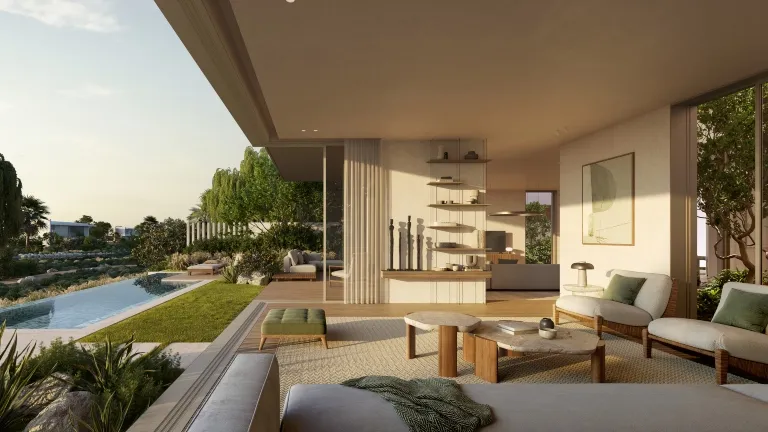
<p>In Dubai, landscape architecture also carries practical value. Outdoor design must mitigate heat, create privacy and make exterior spaces usable beyond appearance. At <a href="https://meraas.com/en/master-development/the-acres">The Acres</a>, villas are designed with signature outdoor rooms and rear gardens, supported by open-plan layouts, double-height living spaces and floor-to-ceiling windows that connect the home to its natural surroundings.</p>
<p>For luxury buyers, these features matter because they turn land, light and greenery into part of daily life. A garden is no longer just an amenity. It becomes part of how the home feels, how well it hosts guests, how it provides a sense of shelter and how it creates lasting memories.</p>
<h2>How Do Open-Plan and Closed-Plan Layouts Affect Buyer Perceptions of Space, Privacy and Liveability?</h2>
<p>Open-plan layouts often create an immediate sense of generosity. They allow living, dining and entertainment areas to flow together, making the home feel brighter and more social. For buyers who host frequently or want family life to feel connected, this can create a powerful emotional response.</p>
<p>Closed-plan layouts offer a different interpretation of luxury. They create privacy, acoustic comfort and clearer separation between formal entertaining, family routines, work and rest. This can be especially important for multigenerational households, private owners or buyers who want the residence to feel composed rather than exposed.</p>
<p>The most accomplished luxury homes rarely depend on one approach alone. They use openness where scale, light and views matter, and separation where privacy and quiet are essential. </p>
<h2>Which Floor-Plan Characteristics Best Balance Architectural Efficiency with Comfort and Emotional Appeal?</h2>
<p>A successful floor plan should feel effortless. Buyers may not always describe it in technical terms, but they notice when movement through the home feels natural, rooms are well proportioned and private areas are thoughtfully set apart from social spaces.</p>
<p>The most effective floor plans guide people through the home with ease. The entrance should create a memorable sense of arrival, while living areas should connect naturally to views, terraces or gardens. Bedrooms should be placed away from busier social spaces to give the home a greater sense of privacy. Storage, service areas, staff rooms and back-of-house functions should be planned discreetly, so they support daily life without disrupting the home’s calm atmosphere.</p>
<p>A luxury floor plan should use space intelligently without making the home feel constrained. Every area should have a clear purpose, so the layout feels natural rather than crowded or overdesigned. The strongest emotional response comes when buyers can intuitively understand the home from the first walkthrough and feel that its elegance is supported by comfort, flow and everyday ease.</p>
<h2>How Do Privacy-Enhancing Design Choices Influence Buyer Confidence and the Perceived Value of a Luxury Home?</h2>
<p>Privacy gives luxury buyers confidence because it reduces the risk of daily discomfort after purchase. A home may look refined, but exposed terraces, direct sightlines into living areas, shared lift access or busy corridors can make it feel less private over time<strong> </strong>and diminish its sense of exclusivity. Buyers should therefore assess how the design controls visibility, separates guest and resident movement and keeps bedrooms, outdoor areas and family spaces away from the most active parts of the building or community.</p>
<p>This is especially important for buyers who see the home as a long-term family asset. They want a residence that can host guests, support quiet family time and preserve privacy across daily routines, without making private spaces feel visible or exposed.</p>
<h2>Which Indoor-Outdoor Design Approaches Are Best Suited to Dubai’s Climate While Still Creating a Strong Sense of Luxury?</h2>
<p>Indoor-outdoor design in Dubai should begin with how the home manages sun, heat and privacy. Large windows, terraces and gardens can create a strong emotional connection to the view, but they only add real value when they are positioned and shaded carefully. Buyers should look at whether outdoor spaces receive harsh direct sun for most of the day, whether living areas remain comfortable behind large glass openings and whether terraces can be used beyond early mornings or cooler months.</p>
<p>The most effective approaches include recessed balconies, shaded terraces, deep overhangs, courtyards, planted edges and floor-to-ceiling windows placed where they frame views without overheating the interior. These features help create a stronger indoor-outdoor relationship while making the home more practical for Dubai’s climate. The goal is not simply to open the home to the outside, but to create outdoor spaces that feel usable, private and comfortable throughout the year.</p>
<p>This is especially important in luxury residences because outdoor space should feel like part of daily living, not a decorative extension. A well-designed terrace can support family breakfasts, evening gatherings or quiet moments overlooking the water or landscape. A poorly oriented terrace may look impressive during a viewing but become difficult to use when exposed to direct sun, glare or neighbouring sightlines.</p>
<p>The best indoor-outdoor design balances openness with protection. It allows natural light, views and landscape to shape the experience of the home while using shade, orientation and privacy planning to preserve comfort. In Dubai’s luxury market, that balance is what turns terraces, gardens and framed views into lasting lifestyle value.</p>
<h2>Architecture That Leaves a Lasting Impression</h2>
<p>In Dubai’s luxury real estate market, the strongest homes are those where architecture extends beyond a striking first impression. Façades, layouts, landscaping, privacy features and indoor-outdoor spaces should work together to shape how the residence feels, functions and retains its relevance endures over time.</p>
<p>For buyers comparing luxury homes, the right address is one that feels considered from the first arrival to the quietest private spaces. It should offer beauty, comfort and confidence in equal measure, creating a home that feels distinctive today and meaningful for years to come.</p>
<p>Enquire to discover <a href="https://meraas.com/en/project-listing">Meraas communities</a> where architecture, design and refined living come together to create a lasting sense of home.</p>
<h2>FAQs</h2>
<h3>1.How can architecture influence a buyer’s emotional response to a luxury home?</h3>
<p>Architecture shapes how a buyer experiences the home from the first visit. A strong sense of arrival, natural light, balanced proportions, views and privacy can make the residence feel more personal, memorable and desirable.</p>
<h3>2.What should buyers look for when assessing the layout of a luxury residence?</h3>
<p>Buyers should look at how naturally the home moves from entrance to living areas, bedrooms, outdoor spaces and service zones. A strong layout should feel spacious, easy to understand and comfortable for both private family life and hosting.</p>
<h3>3.Why does indoor-outdoor design matter in Dubai’s luxury real estate market?</h3>
<p>Indoor-outdoor design matters because outdoor space in Dubai needs to be both beautiful and usable. Shaded terraces, protected balconies, courtyards and carefully positioned windows can help connect the home to its surroundings while supporting comfort in a warm climate.</p>
Back to MediaOther Media
Explore more articles from Meraas
Buying Off-Plan Property in Dubai: How Luxury Buyers Should Assess Build Specifications