Project Search
No Results Found
Search Results - Blog
Search Results - FAQs
No Results Found
No Result Found
The Journal - 31st July 2026
Home Offices in Luxury Apartments: How Hybrid Work is Reshaping Dubai Floor Plans
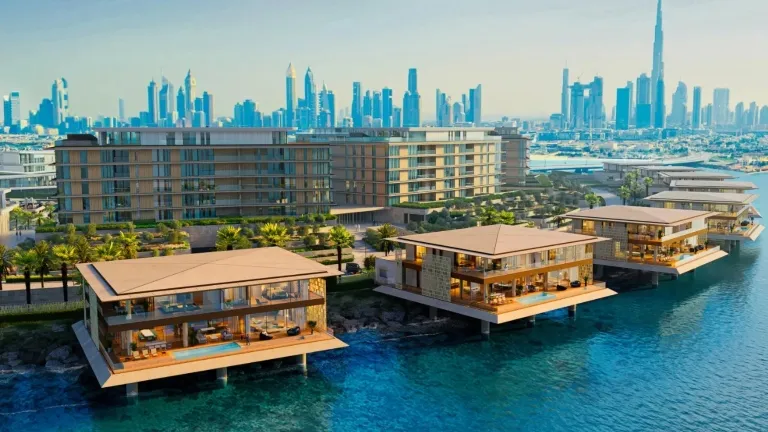
<img loading="lazy" src="/sites/default/files/2026-08/768x432%20%283%29.jpg" width="768" height="432" alt="Home Offices in Luxury Apartments: How Hybrid Work is Reshaping Dubai Floor Plans" />
<p>Hybrid work has changed the role of the home from a place used primarily outside working hours into a high-performing private environment that must support concentration, virtual meetings, and daily wellbeing. For developers and buyers of luxury apartments in Dubai, this shift has made intelligent spatial planning planning as important as finishes, views, and amenities.</p>
<h2><strong>Hybrid Work Changed What Buyers Expect from Home</strong></h2>
<p>Before hybrid work became established, a study or spare bedroom was often treated as an optional feature. It now plays a more decisive role in how buyers assess privacy, acoustic comfort, natural light, and the separation between professional and personal life.</p>
<h3><strong>Maximising Functionality in Premium Urban Apartments</strong></h3>
<p>This is particularly relevant in premium urban apartments, where every square metre must perform a clear function. An oversized reception room may create an immediate visual impression, but a well-positioned workspace can offer greater day-to-day utility and long-term residential value. It can also broaden a property’s appeal to executives, entrepreneurs and internationally mobile professionals whose working patterns extend beyond conventional office hours.</p>
<h2><strong>How Floor Plans are Adapting in Premium Apartments</strong></h2>
<p>Developers are responding by reducing poorly used circulation space and allocating more area to flexible rooms, built-in work surfaces, and adaptable living zones. Some layouts position studies near entrance halls, allowing professional visitors to enter without passing through private family spaces. Others place work areas beside windows or terraces to provide daylight and visual relief and a stronger connection to the surrounding cityscape or waterfront setting.</p>
<p>Open-plan living remains important, but complete openness is becoming less practical. Sliding panels, pocket doors, and subtle zoning allow spaces to remain visually connected while creating temporary privacy for calls, focused work or quiet reading. </p>
<p>For luxury residences in Dubai, this flexibility can support long-term marketability. A room that can serve as a study, library, learning area or occasional bedroom responds to more household types than a rigidly defined interior, strengthening its relevance as buyer needs evolve and improving its appeal across both end-user and investor segments. </p>
<h2><strong>Building Amenities that Support Hybrid Work</strong></h2>
<p>Private workspaces are only one part of the hybrid-living model. Co-working lounges, meeting rooms, business suites, cafés, and concierge support now contribute to a more complete residential proposition extend professional activity beyond the apartment.</p>
<h3><strong>Flexible Shared Workspaces and Support Services</strong></h3>
<p>Shared work areas give residents an alternative setting for collaborative sessions or formal calls, while bookable meeting rooms can prevent business activity from disrupting family routines. Cafés and landscaped lounges support less formal tasks, and concierge teams can assist with visitors, deliveries and meeting logistics in a way that reflects the service expectations of premium residential living.</p>
<h3><strong>Balancing Shared Amenities with Private Workspaces</strong></h3>
<p>These amenities are most effective when they complement rather than replace a private workspace. Residents may use shared facilities for interaction while retaining a quiet, controlled environment inside the home for confidential or concentrated work where discretion, comfort and continuity matter most.</p>
<h2><strong>The Lifestyle Balance Luxury Buyers Now Want</strong></h2>
<p>Hybrid work has increased the importance of transitions throughout the day. Residents may move from a morning meeting to exercise, family time, or outdoor space without leaving the community, making the quality of the wider residential environment more influential in purchase decisions.</p>
<h3><strong>Integrating Work and Wellness in Residential Design</strong></h3>
<p>As a result, premium residential planning connects work facilities with wellness areas, gardens, fitness spaces, and social settings. This combination matters because productivity depends partly on the ability to disconnect. A home office positioned beside the main living area without acoustic separation may offer convenience but weaken the boundary between work and rest and reduce the sense of calm expected in a luxury home.</p>
<h3><strong>Designing for a Balanced Hybrid Lifestyle</strong></h3>
<p>The most considered developments, therefore, treat hybrid living as a complete lifestyle system. They provide focused work environments alongside opportunities for movement, privacy, and social connection so that professional performance and personal wellbeing can coexist within the same residential address.</p>
<h2><strong>How Meraas Communities Support Hybrid Living</strong></h2>
<p><a href="https://meraas.com/en/project-listing">Meraas communities</a> reflect this shift through residential and shared spaces designed around changing daily routines and the expectations of contemporary urban residents in Dubai.</p>
<h3><strong>Integrated Workspaces at Verve at City Walk</strong></h3>
<p>At <a href="https://meraas.com/en/project/verve-city-walk">Verve at City Walk</a>, business meeting areas and co-working spaces are integrated with private courtyards and water features, creating settings that support professional activity without reproducing a conventional corporate environment. This approach suits residents who value proximity to the city while seeking a calmer, design-led setting for both work and downtime.</p>
<h3><strong>A Holistic Lifestyle Approach at Atélis at d3</strong></h3>
<p><a href="https://meraas.com/en/project/at%C3%A9lis-at-d3">Atélis at d3</a> takes a similarly integrated approach. The development includes approximately 280 residences and dedicates three floors to lifestyle, wellness, and recreation. Its amenities include collaborative workspaces and social lounges opening onto landscaped terraces, connecting productivity with outdoor space and wellbeing within one of Dubai’s most design-focused districts.</p>
<h3><strong>Designing for Flexibility in Luxury Living</strong></h3>
<p>Such planning demonstrates how luxury apartments in Dubai can support professional flexibility at both the unit and building levels. The value lies not in adding isolated business facilities, but in incorporating them into a broader design-led residential experience that strengthens liveability, adaptability and long-term asset relevance.</p>
<h2><strong>The Home Office as a New Luxury Standard</strong></h2>
<p>The home office is moving from an optional extra to an established component of premium residential design. Buyers expect layouts that provide privacy, flexibility and digital readiness without compromising warmth or visual quality or the sense of retreat that defines refined urban living.</p>
<p>For luxury residences in Dubai, this change places greater emphasis on intelligent space allocation. Homes that can accommodate professional focus, family life, and personal wellbeing are more likely to remain relevant as employment patterns continue to evolve.</p>
<h2><strong>FAQs</strong></h2>
<h3><strong>Do Home Offices Increase the Appeal of Luxury Apartments?</strong></h3>
<p>A well-planned workspace can increase an apartment’s appeal to executives, entrepreneurs and hybrid professionals. Its contribution depends on privacy, natural light, acoustic separation<strong>,</strong> and whether the space can support other uses when working requirements change.</p>
<h3><strong>What Should Buyers Assess in a Home-Office Layout?</strong></h3>
<p>Buyers should assess the room’s location, dimensions, daylight, power access, storage, ventilation, and separation from busy living areas.</p>
<h3><strong>Are Shared Co-Working Amenities Enough for Hybrid Residents?</strong></h3>
<p>Shared amenities are valuable for meetings, collaboration, and a change of environment, but they do not fully replace a private workspace. The strongest residential proposition combines an adaptable in-home work zone with professionally designed communal facilities.</p>
Back to MediaOther Media
Explore more articles from Meraas

Buying Off-Plan Property in Dubai: How Luxury Buyers Should Assess Build Specifications