Project Search
No Results Found
Search Results - Blog
Search Results - FAQs
No Results Found
No Result Found
The Journal - 18th August 2026
The Future of Family Living in Dubai’s Premium Urban Districts
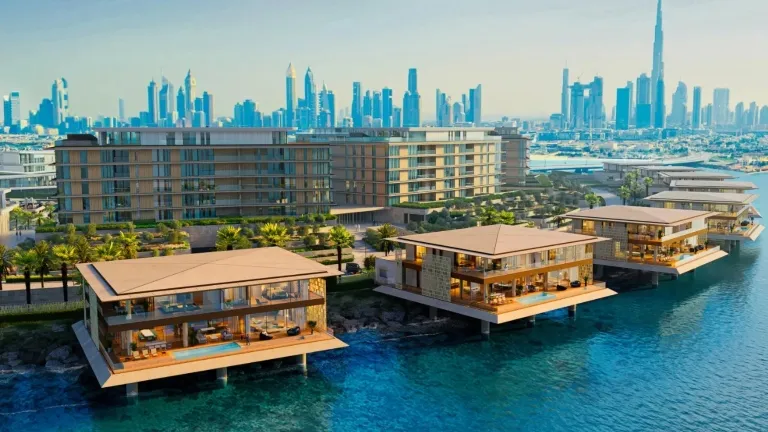
<img loading="lazy" src="/sites/default/files/2026-09/768x432%20%282%29.jpg" width="768" height="432" alt="The Future of Family Living in Dubai’s Premium Urban Districts" />
<p>Family living in Dubai’s premium urban districts is increasingly defined by the quality of the wider neighbourhood, rather than the home’s location alone. For today’s families, the residential decision is shaped by how a neighbourhood supports ambition, routine and belonging at once. A prestigious address still matters, but the quality of daily life is increasingly defined by access to leading schools and healthcare, landscaped parksm walkability, residential privacy, elevated service standards and the wider setting around the home.</p>
<p>This shift reflects the direction of Dubai’s long-term urban planning. The Dubai 2040 Urban Master Plan places quality of life, vibrant communities, green and leisure spaces, and more efficient mobility at the centre of future growth. For discerning families and long-term property buyers, the neighbourhood has therefore become an integral part of a home’s lifestyle and investment value.</p>
<h2>Which Premium Urban Districts in Dubai Best Suit Families Seeking Schools, Parks and Everyday Amenities Close to Home?</h2>
<p>The best premium urban districts for families are those that integrate residential privacy with convenient access to education, healthcare, green spaces and everyday amenities. <a href="https://meraas.com/en/master-development/city-walk">City Walk</a> suits families who prefer a central Dubai address where contemporary residences, dining, retail, hospitality, healthcare, entertainment and landscaped public spaces form one cohesive urban destination. . </p>
<p><a href="https://meraas.com/en/master-development/madinat-jumeirah-living">Madinat Jumeirah Living</a> offers a calmer interpretation of premium urban living. Located in Jumeirah, the community is designed around shaded neighbourhood spaces, pedestrian walkways, parks, play areas and access to Souk Madinat Jumeirah across the street.</p>
<p><a href="https://meraas.com/en/master-development/bluewaters">Bluewaters</a> may suit families who value waterfront living, dining, retail, hospitality and leisure within an island setting. </p>
<p>For families with school-age children, the decision should also include school routes, weekday traffic, visitor movement and access to daily essentials beyond a district’s lifestyle and leisure offering.</p>
<h2>How Can Families Compare Dubai’s Mixed-Use Communities for Safety, Schooling, Healthcare and Convenience?</h2>
<p>Families comparing mixed-use communities in Dubai should assess how effectively vibrant public destinations are balanced with calm private residential environments.. A district with restaurants, cafés, retail and entertainment can offer considerable everyday convenience, , but it should still feel composed, secure and effortless for residents.</p>
<p>Neighbourhood safety is best understood through the everyday journeys families make. Families should look at pedestrian crossings, shaded walking routes, parking access, lobby control, lift privacy, resident-only spaces and how visitors move through the district. A premium neighbourhood should feel open and vibrant without allowing public footfall to compromise residential privacy or tranquility.</p>
<p>School access requires a separate, evidence-led assessment. Families should compare curriculum, year groups, fees, inspection ratings, commute time and drop-off practicality through verified school information, rather than relying on general proximity claims. KHDA’s school directory allows families to review private school options across Dubai.</p>
<p>Healthcare should be assessed with the same level of care. Families with young children may prioritise paediatrics and urgent care, while households with older relatives may need specialist clinics, pharmacies and shorter routes to hospitals. Dubai Health Authority’s medical directory can help with the verification of licensed healthcare facilities.</p>
<h2>What Should Multigenerational Families Compare in Terms of Home Types, Space, Privacy and Access to Medical and Education Facilities?</h2>
<p>Multigenerational families should first consider how a property’s layout enables shared living while preserving space, comfort and independence for each generation.. Apartments can offer lift access, managed amenities and closer proximity to retail, dining and services, which may suit families with older relatives or busy parents who value convenience. Larger apartments, duplexes, townhouses and villas can offer more separation between generations, especially when they include ensuite bedrooms, family lounges, terraces, staff rooms and flexible spaces that can become study rooms, guest rooms or quiet retreats.</p>
<p>Privacy should be assessed at both the residential and community levels. Inside the residence, families should look at bedroom placement, noise separation, balcony privacy, guest access and whether older relatives can move comfortably without crossing busier family areas. Within the wider community, they should compare lobby access, lift density, parking, visitor management, resident-only amenities and the separation between active public areas and quieter residential spaces.</p>
<p>Access to education and healthcare should be measured by real daily use, not distance alone. A community may be close to schools, clinics and pharmacies on a map, but families should still compare school-run traffic, drop-off routes, emergency access and how easily different generations can reach essential services throughout the week.</p>
<h2>How Do the Amenity Needs of Families Change as Children Grow or Older Relatives Become Part of The Household?</h2>
<p>A family’s residential and amenity requirements naturally evolve across different life stages. . In the nursery years, parents usually value short trips, shaded paths, clinics, pharmacies, children’s play areas and welcoming spaces that make spontaneous outings easier. During school years, the focus shifts towards commute reliability, sports facilities, homework-friendly spaces and weekend recreation.</p>
<p>As children become teenagers, the neighbourhood should provide a safe and appropriate level of independence. Walkable cafés, cinemas, retail, fitness spaces and safe public areas allow older children to spend time outside the home without depending on a driver for every plan.</p>
<p>When older relatives become part of the household, accessibility assumes greater importance. Families should look at lift access, shaded seating, quiet outdoor areas, nearby clinics, pharmacy access, parking close to entrances and the ease of reaching healthcare facilities. A genuinely refined urban district expresses its elegance through the ease with which it supports family life across generations. </p>
<h2>How Can Families Balance Property Cost with Schools, Healthcare and Lifestyle Access in Dubai?</h2>
<p>Value-conscious families should assess a property’s cost alongside the value of time connectivity and long-term convenience. A larger home farther from daily services may offer more space, but it can also increase school-run pressure, travel time, driver dependency and the effort required to manage appointments, grocery shopping and weekend plans.</p>
<p>A premium urban district may carry a higher entry cost, but the value sits in how much it simplifies daily life. When families can reach healthcare, retail, parks, dining and leisure more easily, the neighbourhood supports both the practical rhythm of daily life and a more elevated living experience.</p>
<p>The right balance depends on the household. Young families may prioritise parks, clinics and schools. Families with teenagers may place greater value on safe independence and social spaces. Multigenerational households may focus on layout, privacy, accessibility and healthcare access.</p>
<h2>An Address That Grows with the Family</h2>
<p>As Dubai’s premium urban districts continue to mature, family living will be shaped by neighbourhoods that bring design, convenience and emotional comfort together. The most compelling address is one that supports ambition while giving every generation room to feel settled, connected and at ease.</p>
<p>Enquire to find a <a href="https://meraas.com/en/project-listing">Meraas community</a> shaped around family life, refined urban living and long-term belonging.</p>
<h2>FAQs</h2>
<h3>1.How can families tell if a premium urban district will still suit them in five years?</h3>
<p>Families should look at whether the district supports different life stages, from nursery years and school routines to teenage independence and visiting relatives. A strong family address should remain practical as children grow and household needs change.</p>
<h3>2.Is a larger home always better for families in Dubai?</h3>
<p>Not always. More space can help, especially for multigenerational households, but location, layout efficiency, privacy, service quality and everyday access can matter just as much as total size.</p>
<h3>3.Why are walkable lifestyle districts becoming more relevant for family buyers?</h3>
<p>They reduce the need to plan every errand, meal, appointment or leisure activity as a separate trip. For busy families, that convenience can make daily life feel more balanced and less time-consuming.</p>
Back to MediaOther Media
Explore more articles from Meraas

Buying Off-Plan Property in Dubai: How Luxury Buyers Should Assess Build Specifications