Project Search
No Results Found
Search Results - Blog
Search Results - FAQs
No Results Found
No Result Found
The Journal - 22nd December 2025
Freehold Vs. Leasehold: Key Differences & Benefits
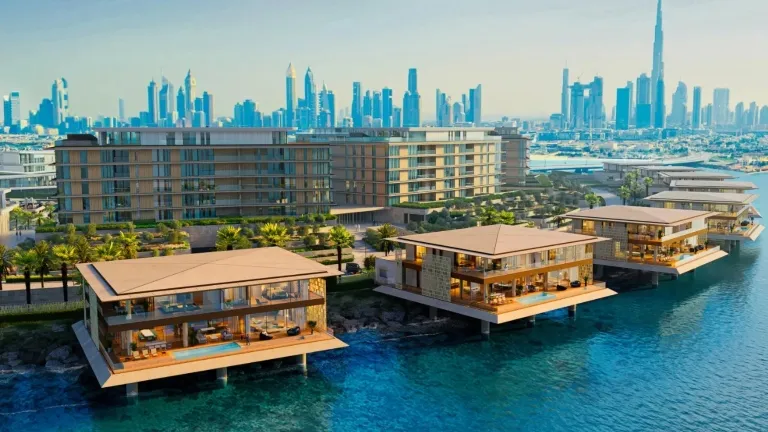
<img loading="lazy" src="/sites/default/files/2026-01/Thumbnail_8.jpg" width="768" height="432" alt="Freehold Vs. Leasehold: Key Differences & Benefits" />
<p>Understanding the legal framework of property ownership is fundamental to making informed real estate decisions in Dubai. Whether acquiring a luxury villa or a strategically positioned apartment, the distinction between freehold and leasehold ownership directly shapes control, capital performance, and long-term flexibility. This distinction defines the resilience and exit potential of the asset itself. </p>
<h2>What is Freehold Property?</h2>
<p>Freehold ownership is the highest level of property entitlement available in Dubai. Upon purchase, the buyer acquires complete ownership of both the property and the land which the property is built. This type of ownership is more common in villas and townhouses, though it also applies to apartments within designated freehold zones.</p>
<p>Ownership must be formally registered with the Dubai Land Department (DLD), which issues a title deed in the owner’s name. This registration serves as the definitive legal record of ownership and underpins all future transactions, financing, and succession planning.</p>
<h2>Rights of the Owner</h2>
<p>Freehold ownership provides a high degree of autonomy and permanence:</p>
<h3>Title Deed & Full Ownership</h3>
<ul>
<li>A registered Dubai Land Department (DLD) title deed confirms permanent ownership of both the property and the land, ensuring legal clarity, enforceability, and long-term security without renewal obligations or expiry considerations. Sell or Transfer</li>
<li>The owner may sell, transfer, or gift the property freely, without third-party consent. Rent Out</li>
<li>The property may be leased to tenants, with rental income obtained by the owner, subject to community regulations. Modify or Renovate</li>
<li>Owners have the freedom to undertake renovations and upgrades, allowing value enhancement through design, layout and specification, provided all works comply with municipal and community standards. Inheritance Rights</li>
<li>The property can be transferred to heirs or integrated into structured estate planning.</li>
</ul>
<h2>Who Can Buy Freehold Property</h2>
<p><strong>● Foreign Nationals </strong></p>
<p><a href="https://meraas.com/en/latest-post/journal/why-global-investors-are-turning-dubais-luxury-property-market">Non-UAE nationals are permitted to buy freehold properties</a> in designated zones such as Downtown Dubai, Dubai Marina, and Palm Jumeirah.</p>
<p><strong>● UAE and GCC Nationals</strong></p>
<p>Emiratis and GCC nationals generally enjoy wider purchasing rights across additional locations.</p>
<p>Registration Requirement</p>
<p>Regardless of nationality, all freehold transactions must be registered with the DLD to be legally recognised.</p>
<h2>Benefits of Freehold Property</h2>
<p>Freehold ownership remains the preferred structure for investors focused on longevity and capital performance:</p>
<p><strong>● Long-Term Investment Security</strong></p>
<p>Ownership is protected indefinitely by a registered title deed.</p>
<p><strong>● High Resale Value and Appreciation Potential</strong></p>
<p>Freehold properties consistently demonstrate better long-term appreciation, driven by unrestricted ownership rights and sustained end-user interest.</p>
<p><strong>Mortgage Eligibility</strong></p>
<p>Banks typically offer more competitive financing terms for freehold properties, including higher loan-loan-value ratios. Residency and Visa Potential</p>
<p>Qualifying freehold investments may support eligibility for long-term residency options, subject to prevailing government regulations.</p>
<h2>What Is Leasehold Property?</h2>
<p>Meanwhile, Leasehold ownership grants you the right to occupy and use a property for a fixed period, typically ranging from 30 to 99 years. The Land remains under the ownership of the freeholder, and upon expiry of the lease, rights revert unless an extension is contractually agreed.</p>
<h3>Lease Period and Rights</h3>
<p><strong>● Fixed Term</strong></p>
<p>Lease agreements are issued for a defined duration, after which ownership rights cease. .</p>
<p><strong>● Rights During Lease</strong></p>
<p>Leaseholders may live in the property, rent it out to tenants or sell the remaining lease term, with values directly correlated to the length of time remaining. Limitations</p>
<p>Transfers, resale, or structural modifications often require consent from the freeholder.</p>
<h2>Responsibilities</h2>
<p><strong>● Renewal and Ground Rent</strong></p>
<p>Certain leasehold agreements include renewal premiums or ongoing ground rent obligations.</p>
<p><strong>Maintenance Obligations</strong></p>
<p>While the major structural components may fall under the freeholder’s responsibility, leaseholders are typically required to contribute through service charges and maintenance fees outlined in the contract.</p>
<h2>Which One Should You Choose?</h2>
<p>The appropriate ownership structure depends on the investment horizon, risk appetite, and exit strategy.</p>
<p>Freehold property within master-planned communities by developers such as Meraas aligns with investors priortising long-term capital growth, unrestricted control, asset legacy, and financing flexibility. It is particularly suited to those viewing property as a generational or portfolio-defining asset.</p>
<p>Leasehold ownership may suit buyers with shorter timeframes, lower initial capital allocation, or lifestyle-driven objectives, where defined tenure and contractual limitations are factored into investment strategy from the outset.</p>
<p>Make informed ownership decisions with expert guidance. Speak with our team to access curated freehold opportunities that align with your investment horizon and capital strategy.</p>
<h2>Frequently Asked Questions</h2>
<h3>1.Can foreigners own property in Dubai? </h3>
<p>Yes, non-UAE nationals can buy freehold property in designated freehold zones, subject to registration with the Dubai Land Department.</p>
<h3>2.What happens to a leasehold property when the lease ends?</h3>
<p>If the lease is not renewed or extended, all rights revert to the freeholder upon expiry.</p>
<h3>3.Is freehold property a better investment than leasehold property?</h3>
<p>Freehold ownership typically offers stronger appreciation, liquidity, and control. Leasehold structures may be appropriate for defined, short-to-medium-term strategies where lower entry cost is prioritized.</p>
Back to MediaOther Media
Explore more articles from Meraas


Buying Off-Plan Property in Dubai: How Luxury Buyers Should Assess Build Specifications