Project Search
No Results Found
Search Results - Blog
Search Results - FAQs
No Results Found
No Result Found
The Journal - 7th September 2026
Bulgari Ocean Mansions: How Waterfront Architecture Creates Privacy on Jumeira Bay Island
<img loading="lazy" src="/sites/default/files/2026-10/768x432_13.jpg" width="768" height="432" alt="Bulgari Ocean Mansions: How Waterfront Architecture Creates Privacy on Jumeira Bay Island" />
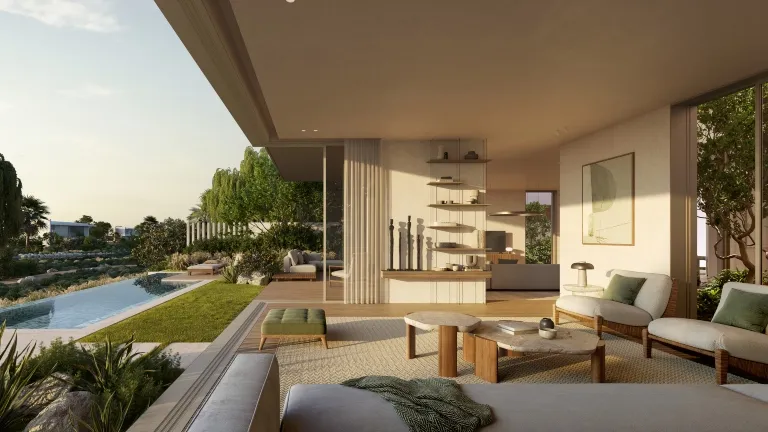
<p>Waterfront homes are prized for their openness, from expansive views and natural light to terraces, pools and a direct connection with the sea. In the ultra-luxury segment, this openness must be balanced with discretion. A residence can embrace the waterfront without exposing daily life, and feel expansive without making residents visible from neighbouring plots, shared routes or passing marine activity.</p>
<p>At Jumeira Bay Island, this balance defines the appeal of the Bulgari Ocean Mansions. Set on the northern shore of <a href="https://meraas.com/en/master-development/jumeriah-bay-island">Jumeira Bay Island</a>, the collection comprises only seven five-bedroom waterfront residences developed by Meraas in collaboration with Bulgari. Conceived as contemporary waterfront homes with uninterrupted views, the mansions use materiality, orientation and considered spatial planning to preserve privacy within an open coastal setting.</p>
<h2>How Can Waterfront Architecture Preserve Sea Views While Protecting Privacy in a Luxury Home?</h2>
<p>In a luxury coastal residence, architecture should frame the principal outlook towards the sea while limiting visibility from neighbouring homes, shared routes and activity on the water. Privacy is achieved not by obstructing the view, but by controlling where the home opens, where it retreats and how each space is approached.</p>
<p>This begins with orientation. Living rooms, terraces and pools should face the broadest water views rather than directly overlooking adjacent plots. More private spaces, including bedrooms, family lounges and upper-level terraces, can be positioned deeper within the plan, elevated or screened to create a greater sense of retreat.</p>
<p>Separation is equally important. Setbacks, angled façades and carefully positioned outdoor zones reduce direct sightlines between neighbouring homes. A pool deck, for example, should not align visually with another residence’s terrace or living room. Offsetting these spaces allows residents to enjoy them more naturally throughout the day.</p>
<p>Architectural detailing completes the privacy strategy. Recessed glazing, deep terraces, roof overhangs, side walls, screens, planting and landscaped edges can shield interiors and outdoor areas without restricting natural light or sea views. These elements integrate privacy into the architecture, rather than leaving residents to address it later with blinds or additional barriers.</p>
<p>For buyers, the defining test is whether the residence supports open, effortless living. A well-designed waterfront mansion should allow residents to enjoy the pool, terrace, interiors and views in comfort, without feeling exposed or continually adapting how they use the home.</p>
<h2>Which Private Arrival, Access Control and Circulation Features Should Buyers Assess in a Waterfront Mansion?</h2>
<p> </p>
<p>Privacy begins before a resident enters the home. In a waterfront mansion, the arrival sequence should minimise unnecessary visibility and create controlled movement between parking, the entrance, guest reception, service areas and private family spaces.</p>
<p>Buyers should assess whether the property provides a clearly defined private entrance, discreet parking and a guest reception route that avoids intimate family zones. A grand entrance may establish a powerful first impression, but it should also preserve privacy by separating formal arrival from everyday circulation. At the Bulgari Ocean Mansions, grand entrances, full-height windows, expansive balconies and connected living spaces balance openness with privacy.</p>
<p>Access control should extend beyond the individual mansion. A private island setting adds another layer of discretion when movement is limited and intentional. Connected to the city by a bridge, Jumeira Bay Island combines seafront privacy with convenient access to Dubai’s central districts.</p>
<p>Internal circulation is critical because a large home accommodates different types of movement simultaneously. Family members, guests, household staff, maintenance teams and service providers should not share every route. Buyers should prioritise layouts that separate service access from formal entertaining areas, protect bedroom corridors and enable outdoor or pool maintenance without intruding on private spaces.</p>
<h2>What Privacy, Heat-Control and Maintenance Trade-Offs Should Buyers Consider When Evaluating Indoor-Outdoor Waterfront Architecture in Dubai?</h2>
<p>Buyers should evaluate indoor-outdoor waterfront architecture by considering the quality and performance of its glazing, terraces and pool deck alongside their scale. The essential question is whether these features remain private, comfortable and straightforward to maintain in Dubai’s coastal climate.</p>
<h3>Openness Versus Usable Privacy</h3>
<p>Large sliding doors and sea-facing terraces enhance water views, but they can expose living rooms, bedrooms and pool areas when neighbouring homes, marina activity or shared routes have direct sightlines into the property. Buyers should assess the view into the residence as carefully as the view from it. Effective design allows curtains and doors to remain open during everyday use, rather than making privacy reliant on blinds, tinted glass or additional screens after handover.</p>
<h3>Natural Light Versus Heat and Glare</h3>
<p>Full-height glazing draws in daylight and strengthens the connection with the water, but in Dubai it must be balanced with effective heat control. Buyers should consider the orientation of the principal glazed areas, the times when direct sunlight reaches living spaces and whether outdoor seating remains shaded during the hottest parts of the day.</p>
<p>Deep overhangs, shaded terraces, recessed glazing and high-performance glass can reduce heat gain and glare. Without these measures, a home may appear open and light-filled yet become uncomfortable or overly dependent on cooling.</p>
<h3>Outdoor Living Versus Coastal Upkeep</h3>
<p>Sea air, humidity, wind, sand and sunlight can affect exterior metalwork, timber, stone, glazing, pools, outdoor kitchens and landscaping. Buyers should ask whether materials are specified for coastal conditions, how frequently façades and glass require cleaning, how terrace drainage is managed, and whether pool, garden and exterior maintenance teams can work without crossing private family areas.</p>
<p>A well-designed waterfront mansion opens the residence to the sea while managing exposure with precision. The strongest properties combine generous views, shaded outdoor living, durable finishes and discreet service access to preserve privacy over time.</p>
<h2>How Do the Bulgari Ocean Mansions at Jumeira Bay Island Use Architecture and Site Planning to Create a Private Waterfront Living Experience?</h2>
<p>The Bulgari Ocean Mansions combine scarcity, waterfront positioning and architectural detailing to create an exceptionally private living experience. The collection’s limited scale is fundamental to its appeal: only seven residences reduce density, encourage a quieter environment and give each home a stronger sense of separation.</p>
<p>Their position on the waterfront further defines the ownership experience. Designed along the curve of Jumeira Bay Island, the mansions feature an over-water architectural form that appears to float above the waves. Each residence offers nearly 10,000 square feet across five bedrooms, with indoor and outdoor spaces composed around a continuous connection with the sea.</p>
<p>The architecture carefully balances panoramic openness with seclusion. Full-height windows frame natural light and waterfront views, while the master suite occupies a secluded corner of each mansion, offering sea and skyline vistas through full-height glazing and a wrap-around balcony.</p>
<p>For legacy buyers, this distinction matters because privacy is not simply about distance from others. It gives the home’s most personal spaces a protected and enduring relationship with the view.</p>
<p>The wider destination introduces an additional layer of exclusivity. Jumeira Bay Island brings together private beaches, fine dining, tranquil boulevards, Bulgari Resort Dubai and the world-first Bulgari Marina and Yacht Club.</p>
<p>For buyers seeking a generational waterfront residence in Dubai, this presents a rare proposition: the discretion of a private mansion, the service and amenities of a resort destination, and the architectural control required to enjoy the sea without compromising privacy.</p>
<p>To discover more about <a href="https://meraas.com/en/project/bulgari-ocean-mansions">Bulgari Ocean Mansions</a> at Jumeira Bay Island, contact Meraas and explore a private waterfront address defined by considered architecture, uninterrupted sea views and refined island living.</p>
<h2>FAQs</h2>
<h3>1.Why does privacy matter in a waterfront mansion?</h3>
<p>Privacy affects how much of the home can actually be used. A waterfront mansion may offer open views and large outdoor spaces, but if the pool, terrace or living areas feel exposed, residents may avoid using them freely. Strong privacy planning allows the home to stay open to the sea while still supporting family life, entertaining and quiet retreat.</p>
<h3>2.What should buyers look for during a private viewing of a waterfront home?</h3>
<p>Buyers should test the home from both inside and outside. From inside, they should check whether the main rooms, terraces and pool areas feel private when curtains and doors are open. From outside, they should look at whether neighbouring homes, shared pathways or waterfront activity have direct views into key living spaces.</p>
<h3>3.How can buyers judge whether outdoor spaces will remain comfortable in Dubai?</h3>
<p>Buyers should look beyond the size of the terrace or pool deck and assess shade, wind exposure, material quality and maintenance access. Outdoor areas should have enough protection from direct sun, use finishes suitable for coastal conditions and allow servicing without disrupting private family spaces. </p>
Back to MediaOther Media
Explore more articles from Meraas
Buying Off-Plan Property in Dubai: How Luxury Buyers Should Assess Build Specifications