Project Search
No Results Found
Search Results - Blog
Search Results - FAQs
No Results Found
No Result Found
News - 6th January 2026
How Dubai Design District Is Evolving Into a Waterfront Neighbourhood for a Creative City
<img loading="lazy" src="/sites/default/files/2026-05/d3%20masterplan%201920x1080_1.jpg" width="1920" height="1080" alt="How Dubai Design District Is Evolving Into a Waterfront Neighbourhood for a Creative City" />
<p>On a weekday morning in Dubai Design District, the city reveals a quieter side. The canal moves steadily along the promenade. The skyline sits at a measured distance. To the east, the wetlands of Ras Al Khor introduce an unexpected sense of calm. For more than a decade, d3 has been a place defined by work and cultural production. Now, it is being reshaped into something more enduring: a neighborhood designed for everyday life.<br><br>The expanded residential masterplan for Dubai Design District, unveiled by Meraas, reflects a broader shift in how Dubai is thinking about urban development. Known for delivering district-scale destinations such as City Walk and Bluewaters, Meraas is now applying a similar place-led approach to d3, guiding its evolution from a purpose-built creative and business hub into a fully integrated waterfront neighborhood.</p>
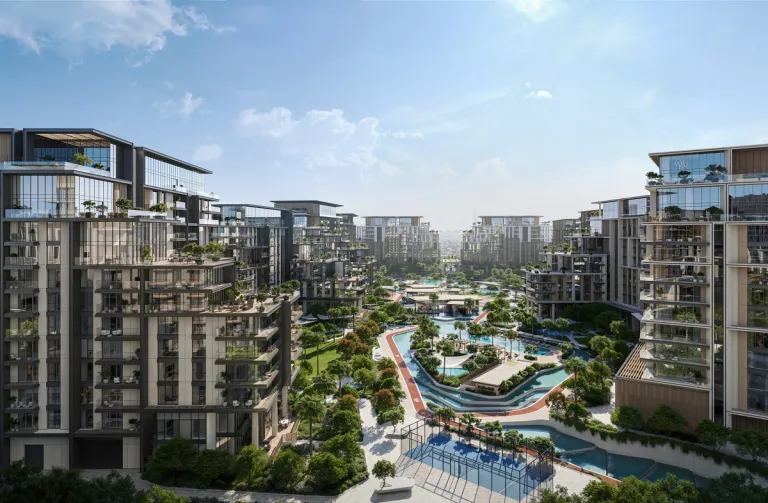
<p>Spanning 18 million square feet between Downtown Dubai and Dubai Creek, the masterplan prioritises walkability, public space, and long-term residency. Rather than operating as a standalone enclave, the district is planned as part of the city’s everyday fabric, shaped by movement on foot, shared spaces, and proximity to culture.<br><br>Since its launch, d3 has become synonymous with fashion, design, architecture, and the creative economy. Yet the way people live and work in cities has changed. Creative professionals increasingly seek environments where homes, studios, culture, and daily amenities exist within close proximity. Districts once designed primarily around offices or events are being asked to mature into places that support a full spectrum of urban life.</p>
<p>The masterplan responds to that evolution by weaving residential living directly into d3’s established creative ecosystem. Cultural venues, galleries, retail, and public spaces are brought into closer alignment with homes, allowing daily life to unfold organically rather than in defined zones. The result is a district that functions not only as a destination, but as a place to live.<br><br>At the centre of this vision is the Design Line, a pedestrian-first spine that runs through the district and acts as its organising framework. Shaded walkways, landscaped corridors, public art, and social spaces connect the neighbourhood’s different areas, encouraging movement on foot and reinforcing the importance of the public realm. In an era where the success of cities is increasingly measured by the quality of shared space, the Design Line reflects a deliberate shift toward more human-scaled urbanism.</p>
<p>Environmental context is treated as an integral part of the district’s identity. The development is targeting LEED Silver community certification, with an emphasis on sustainable mobility, energy-efficient design, and enhanced connectivity. Visual links to Dubai Creek and the Ras Al Khor Wildlife Sanctuary anchor d3 within a wider ecological landscape, situating the district as part of its surroundings rather than a self-contained development.<br><br>The neighbourhood itself is structured around five distinct areas, each supporting a different rhythm of urban life. Along the canal, contemporary residences and boutique hospitality are set against an activated waterfront promenade. An urban core integrates residential living with curated retail and dining, closely connected to d3’s existing creative community. A cultural heart forms around performance venues and mid-rise residences overlooking the d3 Bowl. A wellness-focused area is defined by parks, sports facilities, and a mangrove-inspired landscape. A dedicated creative hub provides galleries, studios, and loft-style spaces intended to support collaboration and artistic production.</p>
<p>Recent residential launches within d3 indicate growing interest in this approach. Developments such as Atelis, a waterfront residential tower, and The Edit, a three-tower project introducing more than 550 design-led homes, have seen strong demand. The response reflects a wider appetite for neighbourhoods that offer integration, identity, and quality of life alongside location.<br><br>In a global context, Dubai Design District’s evolution places it within a wider conversation about how creative districts develop over time. The most resilient examples tend to share common characteristics: walkability at a human scale, culture embedded in daily life, and environments designed for longevity rather than spectacle. As d3 continues its transition into a lived waterfront neighborhood, it illustrates how design-led districts can mature into lasting parts of a city’s urban fabric.</p>
<p><strong>Source: </strong><a href="https://www.nytimes.com/paidpost/meraas/meraas-ad-post-campaign/how-dubai-design-district-is-rethinking-waterfront-living-for-a-creative-city.html">New York Times</a></p>
Back to Media